Skip to content
Save up to 80%

Glucophage

Quality products
24/7 Support
Fast delivery
Delivery from 4 days
Select pack Package Per unit Price

Free delivery on orders from R 3 930.00, free express delivery from R 5 895.00

Secure Payments
Track your order
Best price guarantee

Glucophage is an oral metformin tablet for people with type 2 diabetes. It helps control blood glucose by reducing glucose production in the liver and improving the body’s response to insulin.

Description

Glucophage is an oral tablet used to help control blood glucose in people with type 2 diabetes. It contains metformin, a biguanide that reduces glucose production by the liver and improves the body’s response to insulin. The medicine works best alongside an appropriate eating plan and regular activity.

Composition

Glucophage contains metformin as its active ingredient. The product is supplied as an oral tablet; the exact strength and other tablet ingredients are stated on the pack.

Dosage and usage

  • Take Glucophage orally as a tablet to help control blood glucose in type 2 diabetes.
  • Use the dose and frequency prescribed by the clinician. Dosing varies between strengths, formulations and individual treatment plans, so there is no single amount that suits everyone.
  • Take Glucophage with an appropriate eating plan and regular activity. Take the tablet with a meal when instructed and continue treatment for the duration prescribed by the clinician.

How it works

Metformin, the active ingredient in Glucophage, reduces glucose production by the liver and improves the body’s response to insulin. These effects increase the effective use of circulating glucose by tissues and help lower blood glucose in people with type 2 diabetes.

Indications

Glucophage is prescribed mainly for type 2 diabetes mellitus when blood glucose remains above the desired range despite dietary and activity measures. It may be used alone or alongside other glucose-lowering treatment. The choice depends on HbA1c, kidney function, cardiovascular history, body weight, age, and the risk of hypoglycaemia.

Metformin may also be considered in selected people with pre-diabetic glucose levels or insulin resistance. Preventive use requires an individual clinical assessment because pre-diabetes does not automatically mean that medicine is needed. Lifestyle measures remain central in this setting.

Clinical setting Main therapeutic aim
Type 2 diabetes Lower fasting and after-meal glucose and improve HbA1c
Insulin resistance Improve the body’s response to insulin
Selected pre-diabetic states Reduce progression risk alongside structured lifestyle changes

A diagnosis of type 1 diabetes requires insulin replacement because the pancreas produces little or no insulin. Metformin does not replace insulin in that condition. It may occasionally be added in specialist care for selected adults, but that is different from routine treatment of type 2 diabetes.

The World Health Organization recognises metformin as an important medicine in type 2 diabetes care, while treatment targets should be individualised according to the person’s clinical circumstances [2].

Comparison

Metformin may be sufficient for some people with type 2 diabetes. Others need a second medicine when HbA1c remains above the agreed target or when treatment goals change. The choice depends on cardiovascular disease, heart failure, kidney disease, body weight, hypoglycaemia risk, side-effect tolerance, and access to monitoring.

Treatment category Main action and route
Sulfonylureas such as glipizide Increase insulin release; oral treatment with a higher hypoglycaemia risk
GLP-1 receptor agonists such as semaglutide or liraglutide Improve glucose-dependent insulin secretion and reduce appetite; injectable treatment
Insulin preparations Replace or supplement insulin; administered by injection

Some people require basal insulin, such as insulin glargine, insulin detemir, or insulin degludec. Others may need rapid-acting insulin, such as insulin aspart, around meals. These treatments can lower glucose powerfully but require education about injection technique, glucose monitoring, meal timing, and hypoglycaemia.

GLP-1 receptor agonists can support glucose reduction and weight loss in appropriate patients, but nausea, vomiting, gallbladder problems, and cost or access issues can affect suitability. Sulfonylureas may act quickly and remain useful in some settings, though hypoglycaemia and weight gain are important limitations.

The best combination is not determined by HbA1c alone. Kidney function, established cardiovascular disease, heart failure, frailty, pregnancy status, and the patient’s ability to manage injections all influence the decision. NICE guidance recommends treatment choices that reflect both glucose control and wider health risks [3].

Contraindications

  • Severe kidney impairment or rapidly worsening kidney function
  • Metabolic acidosis or previous lactic acidosis
  • Severe dehydration from vomiting, diarrhoea, or inadequate fluid intake
  • Severe infection, shock, or conditions causing reduced tissue oxygen
  • Significant liver disease requiring clinical assessment
  • Heavy alcohol intake
  • A planned procedure involving prolonged fasting or certain contrast-enhanced imaging studies

Kidney function should be assessed before treatment and monitored during continued use. Metformin is cleared mainly through the kidneys, so reduced clearance can increase accumulation and lactic acidosis risk.

Tell the treating clinician about all prescribed medicines, over-the-counter products, and supplements. Iodinated contrast used for some scans may require temporary interruption, depending on kidney function and the imaging procedure. Medicines that affect kidney function or fluid balance can also change the risk profile.

Pregnancy and breastfeeding require an individual decision. Diabetes during pregnancy needs active glucose management, and the preferred treatment plan may differ from routine type 2 diabetes care.

When this is not for you

Glucophage may not be suitable if you have severe kidney problems, severe dehydration, a serious infection, reduced tissue oxygen, significant liver disease, or a history of lactic acidosis. You should also speak with a clinician about heavy alcohol intake, pregnancy, breastfeeding, or a planned procedure involving fasting or contrast imaging.

Side effects

Digestive effects are the most frequent tolerability problem with metformin. They are often strongest after treatment begins or after the dose is increased. Gradual dose adjustment and taking the tablets with food can reduce symptoms for many patients.

Common effects include:

  • Nausea or queasiness
  • Diarrhoea
  • Stomach pain or abdominal cramping
  • Flatulence
  • Reduced appetite
  • A metallic taste

These symptoms may improve during the first few weeks. Persistent diarrhoea can cause dehydration, which is more concerning in people with reduced kidney function or during an acute illness.

Metformin alone usually has a low risk of hypoglycaemia because it does not force the pancreas to release insulin. The risk can rise when it is combined with insulin or medicines that stimulate insulin secretion. Alcohol can also worsen metabolic stress and should be limited, especially during illness, fasting, or dehydration.

Lactic acidosis is rare but serious. Warning features can include marked weakness, unusual sleepiness, breathing difficulty, abdominal discomfort, vomiting, feeling cold, dizziness, or a slow heartbeat. The risk increases with severe kidney impairment, tissue hypoxia, severe infection, dehydration, and substantial alcohol exposure. The FDA prescribing information highlights renal function assessment and temporary interruption during situations that can impair kidney function [1].

Vitamin B12 levels may fall during prolonged metformin treatment. A clinician may arrange testing when symptoms such as persistent tiredness, numbness, pins and needles, sore tongue, or anaemia develop.

Do not try to control metformin diarrhoea by skipping meals and continuing strenuous exercise. Replace fluids, monitor glucose more closely, and obtain medical advice if vomiting or diarrhoea continues.

Common mistakes

Several practical mistakes can reduce benefit or increase discomfort:

  • Taking the tablet before food when it was prescribed with a meal.
  • Crushing or chewing a prolonged-release tablet.
  • Stopping treatment after a few days of nausea without discussing a slower dose increase.
  • Taking extra tablets to compensate for a missed dose.
  • Continuing treatment through severe vomiting, diarrhoea, or dehydration.
  • Forgetting to mention metformin before contrast imaging.
  • Assuming that metformin prevents glucose rises after unrestricted high-sugar meals.
  • Measuring success only by symptoms instead of scheduled HbA1c and kidney tests.
  • Combining metformin with insulin or sulfonylureas without understanding the risk of low glucose from the full regimen.
If a dose is missed, do not double the next administration. Follow the prescribed missed-dose instructions and return to the normal schedule unless a clinician has provided a different plan.

One overlooked detail is alcohol. A large intake can worsen dehydration, impair judgement around meals, and increase metabolic stress. This risk is greater during fasting or acute illness.

What doctors say

In clinical practice, doctors often introduce metformin gradually because gastrointestinal tolerance can determine whether a patient continues treatment. A strong glucose-lowering effect is less useful if nausea or diarrhoea causes repeated missed doses.

Physicians also look beyond a single glucose reading. HbA1c reflects average glucose exposure over roughly two to three months, while home readings show daily patterns. An isolated high reading after a large meal does not provide the same information as repeated fasting elevations.

Kidney function is a routine part of safe prescribing. A clinician may adjust, pause, or restart treatment after dehydration, hospital admission, surgery, or contrast imaging. This is a pharmacological decision, not a sign that the medicine has permanently stopped working.


Frequently asked questions

Is Glucophage suitable for type 2 diabetes?

Glucophage is primarily used for type 2 diabetes because metformin reduces hepatic glucose production and improves insulin sensitivity. It may be prescribed alone or with other treatment when one medicine does not achieve the agreed glucose target. The WHO’s 2020 diabetes guidance supports metformin as an important option within individualised type 2 diabetes care. Type 1 diabetes requires insulin replacement rather than metformin alone.

How long does Glucophage take to improve glucose levels?

Glucose readings may begin to change after treatment starts, while HbA1c requires several weeks to show the full effect of a sustained regimen. The response depends on the prescribed dose, kidney function, diet, activity, and the severity of insulin resistance. NICE guidance updated in 2022 recommends reviewing glucose control and adjusting treatment according to individual targets. A lack of immediate symptoms does not show whether the medicine is working.

Can Glucophage cause low blood sugar?

Metformin alone has a low tendency to cause hypoglycaemia because it does not directly stimulate insulin release. The risk becomes higher when it is combined with insulin or a sulfonylurea such as glipizide. The American Diabetes Association’s 2025 Standards of Care emphasise reviewing the full treatment combination rather than judging one medicine in isolation. Shaking, sweating, confusion, and sudden weakness require prompt glucose assessment when other glucose-lowering medicines are involved.

Should Glucophage be taken with food?

Taking metformin with food can reduce nausea, abdominal discomfort, and diarrhoea. The timing should follow the prescribed schedule because immediate-release and prolonged-release tablets behave differently. The EMA product information for metformin-containing medicines, available in 2022, describes gastrointestinal effects as common early tolerability problems. Taking extra tablets with a larger meal does not improve glucose control and can increase side effects.

Can Glucophage be used during pregnancy?

Diabetes during pregnancy needs a planned treatment strategy because both high glucose and low glucose can affect maternal and fetal health. Metformin may be used in selected circumstances, while insulin may be preferred depending on the clinical situation and local practice. The WHO 2023 recommendations stress individual assessment for glucose-lowering therapy during pregnancy. Treatment should not be started, stopped, or changed solely on the basis of a home pregnancy test.

Does Glucophage cause vitamin B12 deficiency?

Long-term metformin exposure can be associated with lower vitamin B12 levels in some patients. The risk is more relevant when symptoms of deficiency develop, when anaemia is present, or when other risk factors coexist. The UK Medicines and Healthcare products Regulatory Agency issued safety advice in 2022 supporting consideration of B12 testing in symptomatic or higher-risk patients. Numbness, pins and needles, sore tongue, or persistent unexplained tiredness should be reported during routine diabetes care.

Do you offer anonymous delivery?

Your order will be securely packed and shipped within 24 hours. This is exactly what your package will look like (images of an actual item sent). It has the size and look of a regular private letter (24x11x0.7 cm) and its contents cannot be seen.

Comparison

Actos

Active ingredient: Pioglitazone
15mg 30mg 45mg
From R 1 198.65
pills
4.3 (4)

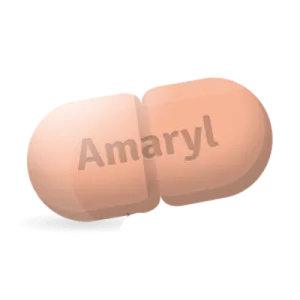
Amaryl

Active ingredient: Glimepiride
2mg 3mg 4mg 1mg
From R 1 650.60
pills
3.8 (4)

Empagliflozin

Active ingredient: Empagliflozin
10mg 25mg
From R 3 674.55
pills
4 (4)

Forxiga

Active ingredient: Dapagliflozin
10mg 5mg
From R 2 534.85
pills
3.9 (4)

Glucophage Current

Active ingredient: Metformin
1000mg 500mg 850mg 250mg
From R 2 004.30
pills
4.4 (4)

Complementary Dietary and Lifestyle Strategies with Glucophage

Glucophage works alongside—not independently of—daily habits that influence glucose metabolism. A diabetic diet should provide regular meals, appropriate portions, fibre-rich carbohydrates, vegetables, lean protein, and unsaturated fats. The exact eating plan should reflect medication timing, kidney function, weight goals, cultural food patterns, and activity levels.

A low GI diet can reduce the speed at which carbohydrate-containing foods raise blood glucose. The glycaemic index does not tell the whole story; portion size, total carbohydrate intake, cooking method, and the presence of fibre or protein also affect the glucose response.

Useful habits include:

  • Keeping carbohydrate portions reasonably consistent.
  • Choosing beans, lentils, vegetables, and whole grains more often.
  • Limiting sugar-sweetened drinks and frequent refined snacks.
  • Building regular physical activity into the week.
  • Recording glucose patterns when requested by the clinical team.
  • Attending HbA1c and kidney-function checks at the recommended intervals.

Weight reduction can improve insulin sensitivity for people carrying excess weight, though weight loss should not be forced through severe restriction. Skipping meals can create problems when Glucophage is combined with insulin or other medicines that lower glucose more strongly.

One practical detail is easy to miss: illness can disrupt eating, drinking, kidney function, and glucose control at the same time. Vomiting, severe diarrhoea, fever, or reduced fluid intake can make metformin unsuitable temporarily. A patient-specific sick-day plan should be established before an acute illness occurs.

Glucophage: Reviews and Experiences

4.4
Based on 4 reviews
Thandi, 52 Cape Town 1 week
Verified
Rating: 4 out of 5

I took Glucophage with my evening meal. The first week brought loose stools, but the problem eased after the dose was adjusted gradually. My later HbA1c result improved, although diet changes made a clear difference too.

13 Oct 2026
Sipho, 61 Durban 1 month
Verified
Rating: 5 out of 5

The tablets helped my fasting readings, and I did not experience low sugars when using Glucophage alone. I disliked the metallic taste during the first month. Drinking more water and taking the tablet during food made it easier.

21 Oct 2026
Lerato, 45 Johannesburg Several weeks
Verified
Rating: 4 out of 5

My stomach pain continued for several weeks. Changing the timing and using a prolonged-release schedule helped, but the switch had to be arranged by my clinician. I would not have changed the formulation myself.

26 Oct 2026
Mandla, 65 Pretoria During an acute illness
Verified
Rating: 4.5 out of 5

I became unwell with vomiting and stopped eating. The clinic told me to pause metformin during the dehydration and restart only after the illness had settled. The sick-day advice was more useful than simply increasing the dose.

08 Nov 2026

Sources

  1. U.S. Food and Drug Administration (2022). Glucophage (metformin hydrochloride) prescribing information.
  2. World Health Organization (2023). WHO guideline for the pharmacological treatment of people with type 2 diabetes.
  3. National Institute for Health and Care Excellence (2022). Type 2 diabetes in adults: management.
Get our free app Shop faster and track your orders 4.0 · 598 reviews Install