
Verified
My glucose readings improved after several weeks, and I lost a small amount of weight. I urinated more during the first week, so taking it earlier made evenings easier.
01 Nov 2026
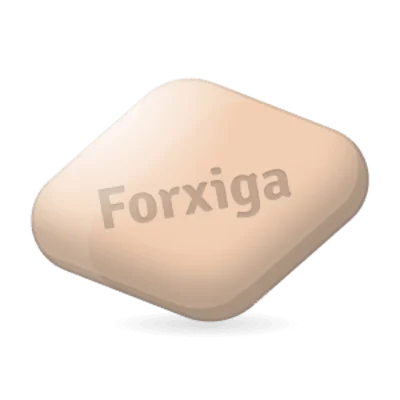
Forxiga is a prescription tablet for adults with type 2 diabetes, heart failure, or chronic kidney disease. It contains dapagliflozin, an SGLT2 inhibitor that helps the kidneys remove glucose and sodium through urine, supporting blood-glucose control and reducing cardiorenal strain.
Forxiga contains dapagliflozin, which belongs to the sodium-glucose co-transporter 2 inhibitor class. The medicine is used in adults with type 2 diabetes, selected forms of heart failure, and chronic kidney disease. Its benefits extend beyond blood-glucose reduction because SGLT2 inhibition changes how the kidneys handle glucose, sodium, and fluid.
Dapagliflozin blocks SGLT2 proteins in the proximal renal tubule. These proteins normally return filtered glucose and sodium from the urine back into the bloodstream. Blocking them increases urinary glucose excretion and promotes a modest loss of sodium and fluid.
Forxiga is not an insulin replacement.
It can be prescribed alone in selected adults with type 2 diabetes or alongside medicines such as metformin, sulfonylureas, insulin, or other glucose-lowering treatments.
Forxiga tablets are taken orally once daily. The dose is stated on the pack — follow the leaflet and the prescriber’s instructions.
The tablet should be swallowed with water. Crushing, splitting, or chewing should only be done when the prescribing information for the specific formulation allows it.
Dapagliflozin can be combined with insulin or a sulfonylurea. Those medicines can increase the risk of hypoglycaemia, so glucose monitoring and dose adjustment may be required. Dapagliflozin alone has a low risk of hypoglycaemia because it does not stimulate insulin secretion directly.
The kidneys filter large quantities of glucose every day. SGLT2 normally reabsorbs most of that glucose in the early part of the renal tubule. Dapagliflozin reduces this reabsorption, allowing more glucose to leave the body in urine.
The effect has several consequences:
This mechanism explains why dapagliflozin can support both metabolic and cardiorenal treatment. It also explains several precautions. Glucose in urine can encourage genital fungal infections, while fluid loss may contribute to dizziness or low blood pressure in susceptible patients. Monitoring hydration and blood pressure can help identify intolerance early. Patients with recurrent symptoms should contact their clinician for assessment.
The mechanism differs from metformin, which mainly reduces hepatic glucose production and improves insulin sensitivity. It also differs from DPP-4 inhibitors such as linagliptin, which increase incretin activity and generally have a smaller effect on urinary glucose excretion.
The kidney benefit is not simply a result of lower HbA1c. Large outcome trials found reduced risks of worsening heart failure and kidney disease progression in appropriate patient groups, including some people without diabetes. The DAPA-HF and DAPA-CKD programmes helped establish this cardiorenal role [2].
Forxiga contains dapagliflozin, which belongs to the sodium-glucose co-transporter 2 inhibitor class. The medicine is used in adults with type 2 diabetes, selected forms of heart failure, and chronic kidney disease. Its benefits extend beyond blood-glucose reduction because SGLT2 inhibition changes how the kidneys handle glucose, sodium, and fluid.
Forxiga is associated with AstraZeneca and is regulated as a prescription medicine. The appropriate indication depends on kidney function, cardiovascular status, diabetes treatment, and the patient’s clinical profile. The European Medicines Agency recognises dapagliflozin as a treatment option across these cardiorenal conditions [1].
Dapagliflozin, empagliflozin, and canagliflozin all inhibit SGLT2. Their clinical profiles overlap, but approved indications, renal thresholds, dosing instructions, and evidence bases differ. DPP-4 inhibitors act through incretin pathways, while metformin primarily affects hepatic glucose production.
| Treatment category | Main pharmacological action | Practical distinction |
|---|---|---|
| Dapagliflozin | Inhibits SGLT2 and increases urinary glucose and sodium loss | Cardiorenal benefits; genital infections and volume depletion are recognised risks |
| Empagliflozin or canagliflozin | Inhibits SGLT2 | Similar class effects, with different regulatory indications and trial evidence |
| Metformin or DPP-4 inhibitors | Reduces hepatic glucose output or enhances incretin activity | Less urinary glucose loss; cardiorenal effects depend on the individual medicine |
Metformin is often used as a foundational type 2 diabetes treatment when tolerated and clinically suitable. Linagliptin, vildagliptin, and saxagliptin may be considered when an incretin-based approach is appropriate. Choice depends on kidney function, heart failure, hypoglycaemia risk, weight, adverse effects, and the patient’s existing regimen.
SGLT2 inhibitors are not interchangeable at the level of prescription instructions. A patient changing from dapagliflozin to empagliflozin still needs a new dose and indication assessment.
Diuretics, antihypertensive medicines, insulin, and sulfonylureas can influence the safety profile. Diuretics may intensify fluid loss, while insulin and sulfonylureas may increase hypoglycaemia risk when combined with dapagliflozin. Lithium levels may also require attention because changes in kidney handling and fluid balance can affect lithium exposure.
Forxiga is NOT for you if you have current diabetic ketoacidosis, severe dehydration, or a clinician-identified contraindication. You should also seek medical advice before using it if you have serious kidney problems, are pregnant or breastfeeding, have type 1 diabetes, or have repeated severe genital infections.
Tell your clinician if you have had ketoacidosis, are planning major surgery, expect prolonged fasting, follow a ketogenic diet, drink heavily, or are taking medicines that affect fluid balance or blood sugar. Vomiting, diarrhoea, fever, or difficulty eating and drinking may mean that treatment needs to be paused temporarily.
The most common tolerability issues relate to glucose in the urine and fluid loss. Possible effects include:
Genital infection symptoms can include itching, soreness, redness, unusual discharge, or discomfort when urinating. Early treatment usually prevents the problem from becoming persistent. Recurrent episodes need clinical review because they may require a change in treatment or investigation of other causes.
Serious adverse effects are uncommon but require rapid action. Diabetic ketoacidosis may present with nausea, vomiting, stomach pain, profound fatigue, abnormal breathing, or confusion. Fournier’s gangrene is a rare, severe infection involving tissue around the genitals and perineum; severe pain, swelling, fever, or skin changes in that area require emergency assessment.
Another practical detail concerns urine drug screening. Dapagliflozin does not normally create the false-positive amphetamine issue associated with some other medicines, but patients should still tell the testing clinician about every prescribed medicine and supplement.
Several avoidable errors can reduce benefit or increase risk:
One detail patients often miss is the effect of dehydration during hot weather, gastroenteritis, or prolonged exercise. Replacing fluids may be clinically relevant, but excessive fluid intake can also be unsafe in advanced heart failure, so advice must match the person’s cardiac plan.
In clinical practice, doctors often assess three separate goals before prescribing Forxiga: glucose control, heart-failure risk, and kidney protection. The same tablet may be selected for different reasons in different patients.
A physician usually checks kidney function, blood pressure, hydration status, current diabetes treatment, and previous genital or urinary infections. The expected HbA1c change is discussed separately from the expected cardiovascular or renal benefit.
The South African Health Products Regulatory Authority, or SAHPRA, provides the national regulatory context for medicines used in South Africa. Prescribing decisions still depend on the individual’s indication, renal function, and risk factors.
Forxiga lowers blood glucose by blocking renal glucose reabsorption, so more glucose leaves through urine. The glucose effect is stronger when kidney filtration is preserved and may lessen as kidney function declines. The EMA and the 2026 clinical understanding of dapagliflozin support separate consideration of its heart and kidney benefits.
Dapagliflozin has been studied and authorised for selected adults with heart failure regardless of diabetes status. Its benefit relates to altered sodium handling, fluid balance, and renal haemodynamics rather than glucose lowering alone. Findings from the DAPA-HF programme, published in 2019, support this cardiorenal treatment approach.
Forxiga can reduce the risk of kidney disease progression in appropriately selected adults with chronic kidney disease. Treatment depends on kidney function, albuminuria, blood pressure, and other clinical factors. The DAPA-CKD trial, published in 2020, provided major evidence for dapagliflozin in chronic kidney disease.
Some patients lose a modest amount of weight because urinary glucose loss removes calories and SGLT2 inhibition changes fluid handling. The result is usually gradual and should not be treated as a guaranteed weight-loss outcome. The DEPICT studies from 2018 and 2020 recorded weight reduction alongside glucose changes in selected insulin-treated participants.
Forxiga can be prescribed with metformin when the combination suits the patient’s glucose and cardiorenal goals. Metformin and dapagliflozin work through different mechanisms, so their effects may complement one another. The WHO diabetes guidance available in 2023 supports choosing combinations according to cardiovascular disease, kidney disease, hypoglycaemia risk, and tolerability.
Routine use in type 1 diabetes is restricted because dapagliflozin can increase the risk of diabetic ketoacidosis, sometimes without very high glucose readings. The DEPICT programme reported this safety concern between 2017 and 2018, which shaped later regulatory decisions. Forxiga should not be added to insulin treatment for type 1 diabetes without specialist assessment and a ketone-management plan.
Urinary glucose excretion begins after treatment starts, while HbA1c reflects average glucose over several weeks. Changes in blood pressure, fluid balance, and symptoms may appear on different timelines. FDA prescribing information reviewed through 2025 describes dapagliflozin as a once-daily treatment whose clinical response should be assessed using the relevant indication and monitoring plan.
Your order will be securely packed and shipped within 24 hours. This is exactly what your package will look like (images of an actual item sent). It has the size and look of a regular private letter (24x11x0.7 cm) and its contents cannot be seen.


My glucose readings improved after several weeks, and I lost a small amount of weight. I urinated more during the first week, so taking it earlier made evenings easier.
The medicine fitted well with metformin, but I developed genital itching. Treatment cleared it, although I was more cautious about hydration afterward.
I did not notice a dramatic change in daily glucose. My doctor explained that the main reason for continuing it was heart and kidney protection, which made the treatment goal clearer.
I reduced insulin on my own because my readings looked lower and then felt unwell with nausea. The episode led to urgent assessment and a clear plan about insulin and sick-day management.