
Verified
My readings improved after the first few weeks, but I felt shaky when I delayed lunch. Eating at regular times made a noticeable difference.
25 Oct 2026
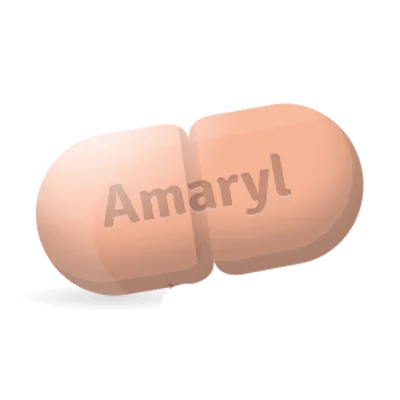
Amaryl is a prescription tablet containing glimepiride. It is intended for adults with type 2 diabetes when lifestyle measures do not provide sufficient control. Glimepiride lowers glucose by encouraging the pancreas to release more insulin.
Amaryl is an oral prescription tablet containing glimepiride for adults with type 2 diabetes. Amaryl belongs to the sulfonylurea class of blood-glucose-lowering medicines.
Amaryl is an oral prescription tablet containing glimepiride as its active ingredient. Glimepiride belongs to the sulfonylurea class of blood-glucose-lowering medicines. The exact composition and strength are stated on the pack and in the leaflet.
The dose is stated on the pack — follow the leaflet and the prescriber's instructions. Glimepiride tablets are generally taken once daily with the first main meal, usually breakfast, or with the first substantial meal of the day when breakfast is not eaten.
Dose adjustments are normally gradual. A clinician may review fasting glucose, after-meal readings, glycated haemoglobin, body weight, kidney function, and episodes of low blood sugar before changing treatment.
The strength available for a particular prescription should be confirmed from the product selection and prescription rather than inferred from tablet colour.
Alcohol can make glucose control less predictable and may make recognition of hypoglycaemia more difficult. Heavy exercise without an appropriate food plan can also lower glucose after the activity has ended, sometimes during the night.
Glimepiride acts on pancreatic beta cells to encourage insulin release. The resulting increase in insulin supports glucose uptake and use by the body, lowering circulating blood glucose. This mechanism depends on the pancreas still producing insulin.
Its active ingredient, glimepiride, is used for type 2 diabetes when the pancreas still produces insulin but glucose control remains above the individual treatment target.
The medicine supports glycaemic management alongside a suitable eating plan, regular physical activity, and blood-glucose monitoring. It is not used to treat type 1 diabetes or diabetic ketoacidosis. The European Medicines Agency describes glimepiride as a treatment for adults with type 2 diabetes when lifestyle measures alone do not provide adequate control [1].
Amaryl works by stimulating insulin release. Other treatments act through different pathways and may carry different advantages or limitations.
| Treatment category | Main action | Main clinical consideration |
|---|---|---|
| Glimepiride and other sulfonylureas | Increase insulin release from pancreatic beta cells | Low blood sugar and weight gain can occur |
| Metformin | Reduces liver glucose production and improves insulin sensitivity | Gastrointestinal effects are common during initiation |
| SGLT2 inhibitors such as empagliflozin or canagliflozin | Increase urinary glucose excretion | Kidney function, hydration, and genital infections require attention |
| Thiazolidinediones such as pioglitazone | Improve insulin sensitivity | Fluid retention and weight gain can limit use |
| Insulin | Replaces or supplements insulin directly | Requires dose adjustment and glucose monitoring |
Glipizide and glyburide are also sulfonylureas, so they share the risk of hypoglycaemia. Metformin has a different mechanism and is often selected as a foundational treatment when suitable. SGLT2 inhibitors may be favoured in some people with cardiovascular or kidney disease, while insulin becomes necessary when endogenous insulin production is inadequate.
A treatment comparison should include more than the size of the glucose reduction. Kidney function, body weight, meal regularity, hypoglycaemia history, cardiovascular disease, and the ability to monitor glucose all affect the choice.
Amaryl is not suitable for everyone. Not for you if you have type 1 diabetes, diabetic ketoacidosis, or a serious allergy to glimepiride or related sulfonylureas. It should not be used for type 1 diabetes, diabetic ketoacidosis, or diabetic coma. A history of serious allergy to glimepiride, another sulfonylurea, or a related sulfonamide medicine also requires careful assessment.
Use requires special caution in people with:
Medicines that may increase hypoglycaemia include insulin, other antidiabetic medicines, some antibiotics, and certain medicines that affect glucose metabolism. Corticosteroids, some diuretics, thyroid medicines, and sympathomimetic agents may raise blood glucose or make control less predictable. The full medicine list should be reviewed before treatment changes.
Pregnancy planning requires a specific diabetes-treatment review. Insulin is commonly preferred during pregnancy because oral sulfonylureas can cross the placenta and may cause neonatal hypoglycaemia. Breastfeeding also requires an individual assessment.
Tell the prescriber about repeated vomiting, reduced food intake, a planned operation, or a new kidney problem. These events can change the safety of the usual dose.
Kidney or liver impairment can prolong the glucose-lowering effect. A dose that was previously tolerated may become excessive after dehydration, weight loss, illness, or a decline in organ function.
Hypoglycaemia is the main safety concern with glimepiride. Symptoms can include sweating, trembling, hunger, palpitations, irritability, dizziness, blurred vision, weakness, headache, confusion, and unusual behaviour.
Mild or moderate low blood sugar should be treated promptly with fast-acting carbohydrate. Recheck glucose when possible, then eat a longer-acting carbohydrate source if the next meal is not soon. Severe confusion, seizure, loss of consciousness, or inability to swallow requires emergency medical assistance; nothing should be placed in the mouth of an unconscious person.
Other reported reactions include:
Weight gain can occur because insulin promotes glucose storage and may increase hunger after glucose levels improve. This is a real limitation for people already managing excess weight or insulin resistance.
Low blood sugar becomes more likely with reduced food intake, vomiting, diarrhoea, prolonged exercise, kidney disease, liver disease, alcohol use, or combination treatment with insulin or other glucose-lowering medicines. The FDA prescribing information identifies hypoglycaemia as a central risk of glimepiride treatment and recommends careful dose selection [2].
Several practical errors can reduce glucose control or increase adverse effects:
One subtle problem is mistaking an improvement in glucose for proof that the treatment can be stopped. Type 2 diabetes changes over time, and pancreatic insulin production may decline even when earlier control was good.
Another is judging a tablet by its colour. Tablet colour can differ between strengths and manufacturers; it is not a reliable way to identify the dose.
In clinical practice, prescribers often focus on preventing low blood sugar rather than simply lowering the glucose number as quickly as possible. A fasting result that looks favourable may conceal overnight hypoglycaemia, especially when meals are irregular or kidney function has changed.
Doctors also assess glycated haemoglobin over time. A single high or low reading rarely justifies an immediate dose change. Patterns across several days are more useful when matched with meal timing, physical activity, illness, and symptoms.
A common clinical mistake is treating glimepiride as if it could compensate for skipped meals. It cannot. Its insulin-stimulating action continues even when carbohydrate intake is lower than expected.
The South African Health Products Regulatory Authority and other national regulators evaluate medicines within local regulatory frameworks, while international guidance from the EMA and WHO supports risk-based diabetes care. Treatment targets remain individual because age, comorbidities, and hypoglycaemia risk differ from one person to another.
Amaryl is used to improve blood-glucose control in adults with type 2 diabetes. Its active ingredient, glimepiride, belongs to the sulfonylurea class and increases insulin release from pancreatic beta cells. The EMA's 2018 product information lists glimepiride for type 2 diabetes when diet, exercise, and other measures do not provide sufficient control.
Glimepiride closes ATP-sensitive potassium channels linked to pancreatic beta cells. This triggers membrane depolarisation, calcium entry, and insulin release. The FDA's 2019 prescribing information describes this insulin-secretagogue action as the basis of glimepiride’s glucose-lowering effect.
Amaryl is generally taken once daily with the first main meal. Taking it without eating can increase the risk of hypoglycaemia because insulin release may continue while carbohydrate intake is low. Clinical diabetes guidance, including the WHO's 2020 recommendations, supports matching glucose-lowering treatment with regular nutrition and monitoring.
A missed dose should not usually be replaced with two tablets. The next scheduled dose is taken with the next appropriate meal unless the prescriber has given a different plan. The EMA's 2018 product information warns against compensating for a missed dose by taking extra medicine.
Glimepiride can be combined with metformin when one treatment does not achieve the required glucose control. The medicines work through different mechanisms, but the combined regimen still requires monitoring for hypoglycaemia. The American Diabetes Association's 2024 Standards of Care describe combination treatment as a way to address inadequate control while considering comorbidities and treatment risk [3].
Weight gain can occur because increased insulin availability promotes glucose storage and may increase appetite after glucose improves. The effect varies between individuals and may be influenced by diet, activity, insulin resistance, and other diabetes medicines. NICE's 2022 diabetes guidance recommends considering weight and hypoglycaemia risk when selecting glucose-lowering therapy [4].
Amaryl is not suitable for type 1 diabetes or diabetic ketoacidosis. These conditions require insulin-based management because the body cannot provide adequate endogenous insulin. The EMA's 2018 product information and the FDA's 2019 prescribing information identify glimepiride as a treatment for type 2 diabetes rather than insulin-deficient emergencies.
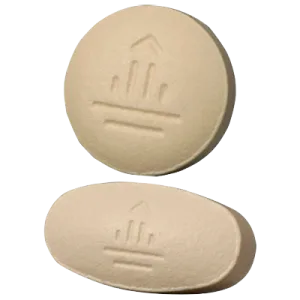
Your order will be securely packed and shipped within 24 hours. This is exactly what your package will look like (images of an actual item sent). It has the size and look of a regular private letter (24x11x0.7 cm) and its contents cannot be seen.

My readings improved after the first few weeks, but I felt shaky when I delayed lunch. Eating at regular times made a noticeable difference.
The glucose numbers came down, although I gained some weight and felt hungrier. My clinician changed the wider plan instead of simply increasing the tablet.
I had nausea and was eating very little. I contacted the clinic because I was worried about low sugar rather than taking the usual routine automatically.
The medicine itself was easy to take with breakfast. The difficult part was recognising that sweating and a racing heart could be hypoglycaemia.