Verified
My morning glucose readings improved gradually rather than overnight. I urinated more during the first week and had to move the tablet earlier in the day. The extra bathroom trips became less troublesome after that.
12 Oct 2026
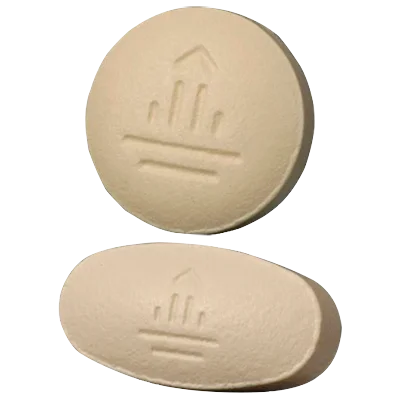
Empagliflozin is an oral SGLT2 inhibitor tablet for adults with type 2 diabetes, heart failure, or chronic kidney disease. It helps the kidneys remove glucose through urine and may reduce selected cardiovascular and renal risks.
Empagliflozin is the active pharmaceutical ingredient in a tablet used under medical supervision. It belongs to the sodium-glucose cotransporter 2 inhibitor class. The medicine is prescribed for adults with type 2 diabetes and is also used in appropriate patients with heart failure or chronic kidney disease, including some people without diabetes.
Empagliflozin is the active pharmaceutical ingredient in an oral tablet and belongs to the sodium-glucose cotransporter 2 inhibitor class. It is used under medical supervision for adults with type 2 diabetes and for appropriate patients with heart failure or chronic kidney disease, including some people without diabetes. Exact tablet composition and strength are stated on the pack.
Empagliflozin tablets are taken by mouth according to the prescribed strength and treatment plan. The usual schedule is once daily, with or without food. Taking the tablet at a consistent time makes missed doses less likely.
Treatment instructions depend on the indication and kidney function. The prescribed dose should not be increased independently to obtain faster glucose reduction.
Practical administration points include:
The U.S. Food and Drug Administration prescribing information describes once-daily oral administration and includes warnings about ketoacidosis, volume depletion, renal function, and genital infections [1].
A dose may need to be paused around major surgery or acute illness because fasting, dehydration, and physiological stress can increase ketoacidosis risk. The exact timing depends on the procedure and the treating team’s instructions.
Empagliflozin blocks sodium-glucose cotransporter 2, known as SGLT2, in the proximal tubules of the kidneys. These transport proteins normally return filtered glucose and sodium from the developing urine back into the bloodstream.
When SGLT2 is inhibited, less glucose returns to the blood. More glucose leaves the body in urine. Sodium excretion also rises, which can influence blood pressure and the pressure inside the kidney filtration system.
The European Medicines Agency describes empagliflozin as a selective SGLT2 inhibitor with effects on glucose elimination and renal sodium handling [2]. This mechanism differs from medicines that stimulate insulin release or directly replace insulin.
The increased glucose concentration in urine creates a setting in which genital fungal infections can occur more easily. The same urinary glucose loss also explains why thirst and more frequent urination may appear after treatment begins.
Its benefits arise from two linked effects: reduced glucose reabsorption in the kidneys and mild removal of sodium and fluid. The resulting change in pressure within the kidney filters can support renal function, while reduced fluid load may ease the workload of the heart.
Empagliflozin reduces blood glucose and can lower HbA1c when combined with dietary measures, physical activity, or other glucose-lowering treatments. HbA1c is a blood test that estimates average glucose exposure over roughly two to three months.
Doctors may select an SGLT2 inhibitor when cardiovascular or kidney protection is relevant alongside glucose control. The glucose-lowering effect becomes less pronounced as kidney function declines, so renal assessment forms part of treatment selection.
Empagliflozin does not replace insulin in people with type 1 diabetes. Its use in type 1 diabetes can raise the risk of diabetic ketoacidosis, including cases where blood glucose is not extremely high.
Clinical trials have shown cardiovascular benefits in selected adults with type 2 diabetes and established cardiovascular disease. Empagliflozin has also been studied in heart failure and chronic kidney disease populations, where benefits may relate to fluid balance, kidney pressure, and cardiac workload rather than glucose reduction alone.
The EMPA-REG OUTCOME trial reported a reduction in cardiovascular death among high-risk adults with type 2 diabetes and established cardiovascular disease [3]. Treatment decisions still depend on kidney function, fluid status, blood pressure, concurrent medicines, and the specific indication.
Empagliflozin belongs to a group with a different action from insulin secretagogues and insulin replacement. The choice depends on glucose targets, cardiovascular disease, heart failure, kidney function, hypoglycaemia risk, body weight, and treatment practicality.
| Treatment approach | Main action and clinical distinction | Hypoglycaemia and organ considerations |
|---|---|---|
| Empagliflozin | Inhibits SGLT2, increasing urinary glucose and sodium loss | Low hypoglycaemia risk alone; fluid loss, genital infections, heart and kidney benefits in selected patients |
| Dapagliflozin | Also inhibits SGLT2 and promotes urinary glucose and sodium excretion | Similar class effects; selection depends on indication, kidney function, and local prescribing criteria |
| Sulfonylureas or insulin | Increase insulin availability or provide insulin directly | Greater hypoglycaemia risk; insulin remains essential when endogenous insulin production is inadequate |
Empagliflozin can be attractive when heart failure or chronic kidney disease is part of the clinical picture. It does not provide the same immediate glucose-lowering role as insulin, and it may be unsuitable when recurrent dehydration or ketoacidosis risk is present.
Sulfonylureas can lower glucose efficiently but may cause hypoglycaemia, especially when meals are missed or kidney function is reduced. Insulin is more powerful for marked insulin deficiency, though it requires injection technique, glucose monitoring, and careful dose adjustment.
The American Diabetes Association Standards of Care describe SGLT2 inhibitors as a treatment option with cardiovascular and kidney relevance for selected people with diabetes [4]. A physician weighs these benefits against volume depletion, infection risk, renal function, and the person’s wider treatment plan.
The National Institute for Health and Care Excellence recommends reviewing kidney function, cardiovascular status, adverse effects, and concurrent treatment when selecting glucose-lowering therapy [5].
Empagliflozin can interact clinically with diuretics, insulin, and sulfonylureas. The combination with insulin or an insulin secretagogue may increase hypoglycaemia risk, even though empagliflozin alone has a low risk of causing low blood glucose.
Empagliflozin is not suitable for everyone. It may not be for you if severe dehydration, active ketoacidosis, or unstable low blood pressure is present. It may be inappropriate or require a different treatment plan if you have serious illness, reduced kidney function, are pregnant or breastfeeding, or have repeated genital or urinary infections.
Empagliflozin is often tolerated without major problems, yet its kidney and urinary effects create predictable adverse reactions. The likelihood of complications rises with dehydration, older age, reduced kidney function, diuretic treatment, or acute illness.
Common or clinically relevant effects include:
Genital fungal infection may cause itching, redness, soreness, discharge, or burning. Urinary infection may cause painful urination, urgency, pelvic discomfort, fever, or flank pain. Repeated infections require review of the treatment plan and other risk factors.
Diabetic ketoacidosis is uncommon but serious. Symptoms can include nausea, vomiting, stomach pain, unusual tiredness, deep or rapid breathing, confusion, or a fruity smell to the breath. Blood glucose may be only moderately raised, so a normal-looking glucose result does not exclude the condition.
Severe dehydration can lead to fainting, marked weakness, confusion, or reduced urine output. A serious allergic reaction may cause facial swelling, breathing difficulty, widespread rash, or collapse.
Fournier’s gangrene, a rare infection affecting tissue around the genitals and perineum, requires immediate medical treatment when severe pain, swelling, fever, or rapidly worsening skin changes occur.
Stop-and-seek-help instructions must follow the prescriber’s plan. Do not continue through suspected ketoacidosis while waiting for glucose values to rise.
Several avoidable errors reduce the benefit of treatment or increase risk:
A recurring real-world problem is delayed recognition of infection. Genital symptoms often start mildly, and early treatment is easier than waiting until pain or swelling becomes pronounced.
In clinical practice, doctors often judge empagliflozin by more than the glucose reading. A suitable patient may gain cardiovascular or renal advantages even when the HbA1c change is modest.
A physician will usually review kidney function before treatment and at intervals afterward. Blood pressure, hydration, diuretic use, infections, and symptoms of ketoacidosis also influence follow-up.
Patients sometimes expect increased urination to disappear immediately. It may settle as the body adapts, but persistent dizziness, faintness, or very low urine output needs prompt assessment.
Another practical observation concerns glucose monitoring. A lower glucose reading does not prove that ketoacidosis is absent when nausea, abdominal pain, rapid breathing, or marked weakness develop. Ketone testing and urgent clinical assessment may be needed in that situation.
Empagliflozin is used for type 2 diabetes, heart failure, and selected chronic kidney disease indications in adults. It is not a routine treatment for type 1 diabetes because ketoacidosis risk can be serious. The EMA product information and FDA prescribing information support indication-specific selection, with kidney function forming part of the assessment. The evidence base available in 2026 continues to distinguish type 2 diabetes treatment from type 1 diabetes use. Treatment decisions remain indication-specific.
Yes. SGLT2 inhibitor-associated ketoacidosis can occur without the very high glucose levels often associated with classic diabetic ketoacidosis. The FDA warning, updated in its prescribing information before 2026, describes symptoms such as nausea, vomiting, abdominal pain, tiredness, and breathing changes. People with these symptoms need urgent medical assessment and should not rely on a reassuring glucose reading alone.
Empagliflozin may be prescribed alongside insulin in selected adults with type 2 diabetes. The combination can improve glucose control, but insulin and other secretagogues may increase hypoglycaemia risk. The American Diabetes Association guidance available in 2026 supports individualised combination treatment based on glucose goals, cardiovascular disease, kidney disease, and adverse-effect risk. Insulin doses should not be changed independently.
Empagliflozin changes kidney filtration pressure and may produce an early change in laboratory kidney measurements. Long-term studies have shown kidney benefits in selected adults with chronic kidney disease, but the drug is not appropriate at every level of renal impairment or for every indication. NICE guidance current before 2026 recommends incorporating estimated glomerular filtration rate, albuminuria, blood pressure, and concurrent treatment into decisions. Kidney monitoring is also relevant when dehydration or acute illness occurs.
Alcohol can worsen dehydration and may contribute to poor food intake, vomiting, or metabolic stress. These factors can increase the risk of ketoacidosis, especially during heavy drinking, fasting, or acute illness. The WHO diabetes information available before 2026 supports reducing harmful alcohol exposure as part of diabetes care, while the FDA safety information highlights ketoacidosis risk factors. Alcohol use should be discussed when it is frequent, heavy, or linked with missed meals.
The missed dose should be handled according to the prescribed instructions, without taking two doses together. If the next scheduled dose is close, a double dose should be avoided. The FDA prescribing information available before 2026 describes once-daily administration and warns against unsafe dose changes. A repeated pattern of missed doses may signal that the timing, routine, or treatment plan needs adjustment.
Your order will be securely packed and shipped within 24 hours. This is exactly what your package will look like (images of an actual item sent). It has the size and look of a regular private letter (24x11x0.7 cm) and its contents cannot be seen.


My morning glucose readings improved gradually rather than overnight. I urinated more during the first week and had to move the tablet earlier in the day. The extra bathroom trips became less troublesome after that.
The medicine fitted my heart-failure treatment plan, but dizziness appeared when the weather was hot. My clinician adjusted the fluid and diuretic plan, and the problem settled. I learned not to skip meals or ignore thirst.
The glucose numbers were better, but I developed recurrent genital irritation. Treatment for the infection helped temporarily, yet the symptoms returned. A different diabetes plan was chosen.
The tablet was easy to take and my swelling seemed less troublesome. Kidney blood tests changed slightly after starting, so follow-up was arranged instead of changing the dose myself.