
Verified
After several weeks, my glucose readings became steadier. I noticed increased appetite and some weight gain, so my clinician reviewed the treatment rather than simply increasing the dose.
18 Oct 2026
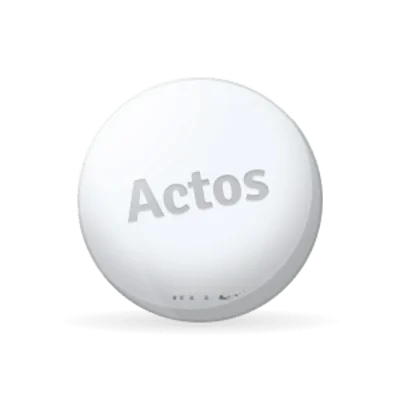
Actos is a prescription tablet for adults with type 2 diabetes. It helps improve blood-glucose control by making the body respond more effectively to insulin. It is used alongside diet and physical activity, alone or with other glucose-lowering medicines.
Actos contains pioglitazone hydrochloride and belongs to the thiazolidinedione class of oral antidiabetic medicines. Pioglitazone is used for type 2 diabetes, a condition in which the body does not use insulin efficiently and may gradually produce less insulin.
The treatment goal is better glucose control over time. Actos does not provide immediate relief from high blood sugar, and it is not used for diabetic ketoacidosis or type 1 diabetes. Its benefits develop gradually as insulin sensitivity improves. HbA1c testing helps measure the longer-term response. Follow-up also checks for fluid retention and other adverse effects.
Actos may be prescribed for adults whose blood-glucose levels remain above target despite dietary measures and physical activity. It can be used as monotherapy or combined with medicines such as metformin, a sulfonylurea, or insulin when clinically appropriate.
Pioglitazone acts on insulin resistance rather than directly forcing the pancreas to release more insulin. This makes its clinical role different from medicines that stimulate insulin secretion.
The medicine is taken as an oral tablet.
Actos contains pioglitazone hydrochloride and belongs to the thiazolidinedione class of oral antidiabetic medicines.
The prescribed Actos dose depends on glucose control, kidney and liver health, other antidiabetic medicines, and the person’s risk of fluid retention. Take the tablet exactly as prescribed.
A missed dose rarely requires a replacement dose later in the day. Doubling can increase adverse effects without restoring glucose control.
Actos is not adjusted according to a single home glucose reading. Dose changes usually depend on a pattern of readings, HbA1c testing, treatment response, and signs of fluid retention.
Pioglitazone belongs to the thiazolidinedione group, also called glitazones. It activates a nuclear receptor called PPAR-gamma, which influences genes involved in glucose and fat metabolism.
The pancreas makes insulin. Insulin then signals muscle, fat, and liver cells to handle glucose. In insulin resistance, those tissues respond poorly to the signal, so glucose remains in the bloodstream for longer.
Pioglitazone improves insulin sensitivity in peripheral tissues. Muscle cells can use glucose more effectively, fat tissue changes how it stores and releases fatty acids, and the liver may reduce excessive glucose production. The result is improved insulin utilisation rather than a direct increase in insulin release.
The United States Food and Drug Administration prescribing information describes these warnings in the Actos label [1].
Actos may be prescribed for adults whose blood-glucose levels remain above target despite dietary measures and physical activity. It can be used as monotherapy or combined with medicines such as metformin, a sulfonylurea, or insulin when clinically appropriate.
Actos works through insulin sensitisation. Other antidiabetic classes use different pathways, so treatment selection depends on HbA1c, cardiovascular health, kidney function, body weight, hypoglycaemia risk, and tolerability. Treatment selection also draws on guidance from the World Health Organization and the American Diabetes Association.
| Treatment category | Main action and clinical limitation |
|---|---|
| Pioglitazone | Improves insulin sensitivity; may cause fluid retention, weight gain, and fracture risk |
| Metformin | Reduces liver glucose production; gastrointestinal effects and kidney-function restrictions may apply |
| Sulfonylureas | Increase pancreatic insulin release; hypoglycaemia and weight gain are important concerns |
Metformin is frequently considered early in type 2 diabetes treatment because of its established glucose-lowering role and long clinical experience. Pioglitazone may be considered when insulin resistance is prominent or when additional glucose control is required.
Sulfonylureas can lower glucose relatively quickly, but they depend on pancreatic insulin production and carry a higher risk of hypoglycaemia. Alpha-glucosidase inhibitors such as acarbose slow carbohydrate digestion and mainly affect after-meal glucose, while gastrointestinal symptoms can limit their use.
The National Institute for Health and Care Excellence places treatment decisions within an individualised diabetes plan rather than treating one medicine as suitable for every adult [2].
Actos is not suitable for you if you have:
People with heart disease, swelling, liver problems, osteoporosis, or a history of bladder tumours need a careful risk assessment before treatment. Pioglitazone can increase fracture risk, with concern reported in some women and in people already vulnerable to bone loss.
Report symptoms such as breathlessness when lying down, sudden ankle swelling, chest discomfort, severe abdominal pain, yellowing of the skin, dark urine, or major visual changes. Diabetic ketoacidosis requires urgent treatment and is not managed with Actos.
Actos can cause fluid retention, weight gain, headache, and visual changes. Low blood glucose is more likely when pioglitazone is used with insulin or a sulfonylurea.
Possible adverse effects include:
Macular oedema is an uncommon but clinically significant eye complication. Blurred or reduced vision should not be dismissed as a normal part of diabetes.
Several practical errors can reduce treatment benefit or increase risk:
One easily missed detail is the difference between glucose control and symptom control. A person may feel well while HbA1c remains high, so treatment decisions should not rely on symptoms alone.
In clinical practice, doctors usually assess Actos by looking at HbA1c trends rather than expecting a noticeable effect after the first few doses. The medicine is most useful when insulin resistance contributes substantially to poor glucose control and when the patient can be monitored for fluid retention.
A clinician will usually review weight, ankle swelling, breathlessness, liver-related symptoms, glucose readings, and other antidiabetic treatments. Blood tests may be used to evaluate liver function and diabetes control.
The major trade-off is clear: pioglitazone can improve insulin sensitivity and support longer-term glucose control, yet it may worsen oedema and increase weight. That balance is less favourable in people with heart failure or a high fracture risk.
Actos is used for type 2 diabetes, not as routine treatment for type 1 diabetes or diabetic ketoacidosis. Pioglitazone improves insulin sensitivity in tissues that still respond to insulin, so it has a different role from insulin replacement. The EMA product information from 2017 describes pioglitazone within the treatment of adult type 2 diabetes [3].
Pioglitazone works gradually because it changes insulin sensitivity through gene-regulated metabolic pathways rather than producing an immediate insulin release. Glucose readings may begin to change before the full HbA1c effect is visible. The FDA Actos label from 2023 and EMA product information from 2017 describe treatment response as something assessed through ongoing diabetes monitoring, not through one isolated reading.
Actos alone has a lower hypoglycaemia risk than medicines that directly stimulate insulin release. The risk rises when it is combined with insulin or a sulfonylurea, because the combined treatment can lower glucose through several pathways. NICE diabetes guidance from 2024 supports individualising treatment and monitoring according to the medicines used together.
Actos may worsen fluid retention and is unsuitable in certain forms or stages of heart failure. Breathlessness, rapid weight gain, and ankle swelling are warning symptoms that need prompt assessment. The FDA Actos prescribing information from 2023 identifies fluid retention and heart-failure risk as central safety considerations.
Weight gain can occur during pioglitazone treatment. Some of the increase may reflect fluid retention rather than fat accumulation, especially when swelling or breathlessness develops. The EMA product information from 2017 includes weight gain and oedema among recognised treatment concerns.
Take the missed tablet when remembered unless the next scheduled dose is near. Skip the missed dose if taking it would place two doses too close together, and resume the regular schedule. Do not take two tablets to compensate, because the FDA-approved prescribing information from 2023 does not support doubling after a missed dose.
Your order will be securely packed and shipped within 24 hours. This is exactly what your package will look like (images of an actual item sent). It has the size and look of a regular private letter (24x11x0.7 cm) and its contents cannot be seen.
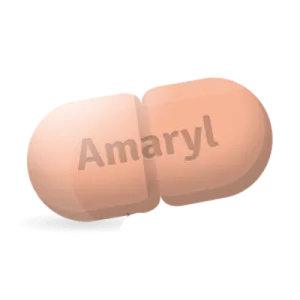
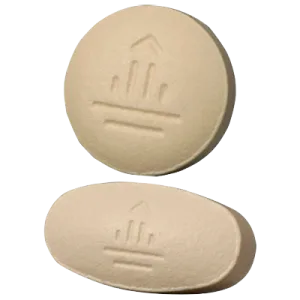


After several weeks, my glucose readings became steadier. I noticed increased appetite and some weight gain, so my clinician reviewed the treatment rather than simply increasing the dose.
Actos was added to metformin. My stomach tolerated the combination better than some earlier options, although the improvement in glucose control was gradual and not obvious during the first week.
My readings improved, but my ankles became swollen. The swelling was the issue that led to a treatment review.
The medicine fitted into my routine because I could take it at the same time each day. The difficult part was remembering that regular blood tests were still needed when I felt well.