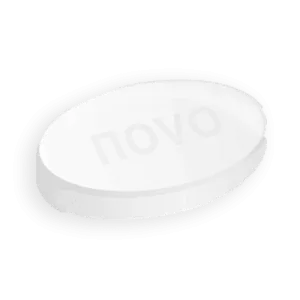
Description
Metformin is an oral tablet containing metformin hydrochloride for adults with type 2 diabetes. It belongs to the biguanide class of glucose-lowering medicines.
Composition
Metformin contains metformin hydrochloride in tablet form. The dose is stated on the pack — follow the leaflet. It belongs to the biguanide class of glucose-lowering medicines.
Dosage and usage
The dose is stated on the pack — follow the leaflet. The tablet should be taken according to the prescribed regimen. The final daily dose must reflect the prescription, kidney function, age, other medicines, and the tablet formulation.
Common administration principles include:
- Swallow the tablet with food or immediately after a meal.
- Take doses at consistent times each day.
- Swallow the tablet with water.
- Do not crush or chew a tablet intended for modified release.
- Do not double the next dose after a missed dose.
- If a dose is forgotten, take it when remembered unless the next scheduled dose is near.
- Continue regular glucose monitoring when instructed by the diabetes-care team.
- Do not stop long-term treatment abruptly without a specific medical reason.
Metformin treatment is often increased slowly. A gradual increase gives the intestine time to adapt and may reduce diarrhoea and cramping. Gastrointestinal symptoms can still occur even when the dose is increased carefully.
If diarrhoea or vomiting causes dehydration, temporarily stopping metformin may be necessary until normal fluid intake returns. This is a specific sick-day issue, not a reason to change the long-term regimen independently.
A missed dose should not be replaced with an extra dose at once. Increasing the dose increases the chance of nausea, diarrhoea, abdominal pain, and other adverse effects without reliably improving glucose control.
Kidney function should be assessed before treatment and during continued use. NICE guidance uses estimated glomerular filtration rate, or eGFR, to guide metformin dosing and suitability [3]. An eGFR is a blood-test estimate of how well the kidneys filter waste.
How it works
Metformin reduces glucose production by the liver and improves insulin sensitivity in muscle and other tissues. These effects reduce the amount of glucose entering the bloodstream and help cells use glucose more efficiently. Metformin does not stimulate the pancreas to release extra insulin.
Indications
Metformin is used mainly for type 2 diabetes, alongside eating-pattern changes and physical activity. It may be prescribed alone or combined with other diabetes medicines when one treatment does not provide sufficient glucose control. The medicine does not stimulate the pancreas to release extra insulin, so it has a lower risk of hypoglycaemia when used alone than medicines that directly increase insulin secretion [1].
The European Medicines Agency recognises metformin as a treatment for type 2 diabetes when diet and physical activity alone do not provide adequate control. Guidance from the World Health Organization also places metformin among established glucose-lowering options for type 2 diabetes [2].
Comparison
Metformin compared with other glucose-lowering approaches
Metformin is often selected early because it has extensive clinical experience, does not usually cause hypoglycaemia by itself, and is generally weight-neutral. Its limitations include gastrointestinal intolerance, the need for kidney-function assessment, and the small but serious risk of lactic acidosis in high-risk situations.
Insulin may be preferred when insulin deficiency is marked, glucose levels are very high, or pregnancy-specific treatment decisions require it. Insulin-releasing medicines may be considered in selected situations, though the risk of low blood glucose can be greater.
Treatment choices can change. A person whose glucose remains above target may need an additional medicine, a different class, or insulin. Cardiovascular disease, heart failure, chronic kidney disease, liver disease, and frailty can influence that decision.
Contraindications
The medicine should not be used in the following situations unless a qualified prescriber has specifically resolved the issue:
- Severe kidney impairment, generally eGFR below 30 mL/min/1.73 m²
- Previous serious hypersensitivity to metformin
- Acute or chronic metabolic acidosis, including diabetic ketoacidosis
- Severe dehydration
- Severe infection, shock, or conditions causing poor tissue oxygenation
- Severe liver impairment or heavy acute alcohol exposure
- A planned procedure involving prolonged fasting, depending on the clinical circumstances
Specific issues include:
- Iodinated contrast media: metformin may need to be stopped around certain imaging procedures and restarted only after kidney function is reassessed.
- Alcohol: heavy or binge drinking raises the risk of lactic acidosis and can destabilise glucose control.
- Medicines affecting kidney function: some diuretics, anti-inflammatory medicines, and blood-pressure medicines can alter renal function in susceptible people.
- Insulin or insulin-releasing medicines: combined treatment can increase hypoglycaemia risk.
- Cimetidine and other medicines affecting renal clearance: drug accumulation may occur in some circumstances.
Kidney function is central to safe use. Reduced clearance can increase metformin exposure and raise the risk of lactic acidosis. The EMA product information also highlights renal impairment, hypoxic states, hepatic impairment, alcohol intake, and contrast procedures as situations requiring careful assessment [4].
Pregnancy and breastfeeding require an individual treatment decision.
When this is not for you
Metformin is NOT for you if you have severe kidney impairment, metabolic acidosis, severe dehydration, or serious hypersensitivity to metformin. Talk to a qualified prescriber before using it if you have severe infection, shock, poor tissue oxygenation, severe liver problems, heavy acute alcohol exposure, or a procedure involving prolonged fasting.
Tell the prescriber about all medicines and supplements being used. Pregnancy and breastfeeding require an individual treatment decision. Diabetes itself can affect pregnancy outcomes, so treatment should not be stopped suddenly because pregnancy is suspected.
Side effects
Digestive symptoms are the most familiar adverse effects of metformin. In clinical trials of immediate-release metformin, diarrhoea occurred in about 53% of participants and nausea or vomiting in about 26%; rates vary between studies and formulations .
Common effects include:
- Diarrhoea or softer stools
- Nausea
- Abdominal discomfort or cramping
- Reduced appetite
- Flatulence
- An unusual metallic taste
These effects often appear after starting treatment or increasing the dose. They may improve when the tablet is taken with food and the dose is increased gradually.
Do not ignore severe or persistent symptoms. Repeated vomiting, marked weakness, rapid breathing, severe abdominal pain, unusual sleepiness, or feeling cold can require urgent assessment because they may signal lactic acidosis, a rare but serious complication.
Long-term treatment can reduce vitamin B12 absorption in some patients. Symptoms of deficiency may include persistent tiredness, a sore or inflamed tongue, numbness, pins and needles, balance problems, or pallor. The risk is more relevant with prolonged treatment, higher doses, anaemia, or other factors that reduce B12 levels.
Persistent tingling is not simply a normal diabetes symptom. Metformin-associated vitamin B12 deficiency is treatable, so blood testing may be appropriate when neurological symptoms or unexplained anaemia develop.
Metformin alone rarely causes low blood glucose because it does not directly increase insulin release. Hypoglycaemia becomes more likely when it is combined with insulin or an insulin-releasing medicine, when meals are missed, or during heavy alcohol intake.
A practical detail is easy to overlook: a temporary stomach illness can change the safety profile of metformin. Dehydration reduces kidney perfusion and can increase medicine accumulation, especially in people with pre-existing kidney impairment.
Common mistakes
Several everyday mistakes can reduce tolerability or create avoidable risk:
- Taking the tablet before food when it causes stomach upset.
- Increasing the dose faster than prescribed.
- Stopping treatment after a single improved glucose reading.
- Taking two doses together after forgetting one.
- Continuing metformin through severe vomiting or dehydration.
- Failing to mention metformin before iodinated contrast imaging.
- Drinking heavily while taking the medicine.
- Assuming metformin alone prevents all diabetes complications.
- Ignoring persistent numbness, fatigue, or unexplained anaemia.
- Crushing a modified-release tablet.
One practical pattern appears repeatedly: people often blame every stomach symptom on food and continue taking metformin during several days of vomiting. Dehydration changes the risk, so sick-day instructions matter.
Another mistake is expecting an immediate feeling of improvement. Metformin changes glucose handling; it does not usually produce a noticeable sensation after each tablet.
What doctors say
In clinical practice, doctors usually judge metformin by the glucose response, glycated haemoglobin, kidney function, and the person's ability to tolerate treatment. A lower dose that is taken consistently may be more useful than a higher dose that causes daily diarrhoea.
Doctors also assess the reason for poor control before simply increasing the dose. Missed tablets, illness, steroid treatment, reduced activity, changed meals, and incorrect timing can all raise glucose levels.
A clinician will normally review kidney function at baseline and at intervals during therapy. Longer treatment may also prompt attention to vitamin B12, especially when anaemia or nerve symptoms appear.
The main advantages are its established role in type 2 diabetes, low hypoglycaemia risk when used alone, and lack of usual weight gain. The trade-offs are gastrointestinal intolerance, kidney-related restrictions, contrast-procedure interruptions, and the need to monitor for B12 deficiency during prolonged use.
WHO diabetes guidance supports combining glucose-lowering treatment with lifestyle measures, education, and regular monitoring rather than relying on tablets alone [5]. That does not mean metformin is ineffective; it reflects the way type 2 diabetes changes over time.