
Verified
The respiratory symptoms started easing after several days, but nausea was noticeable after the first tablet. Taking it with food made the stomach discomfort easier.
28 Oct 2026
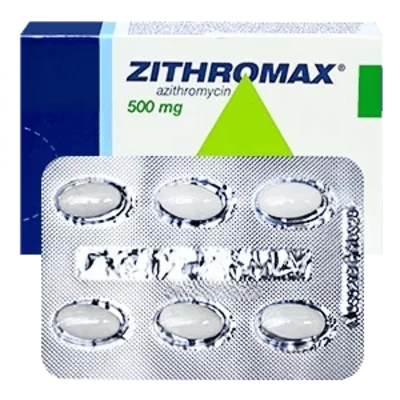
Zithromax is a prescription macrolide antibiotic containing azithromycin; the dose is stated on the pack — follow the leaflet. It is intended for people with confirmed or clinically suspected susceptible bacterial infections.
Zithromax is a prescription macrolide antibiotic containing azithromycin; the dose is stated on the pack — follow the leaflet. It is used for susceptible bacterial infections, including selected respiratory, skin, and sexually transmitted infections.
Zithromax contains azithromycin, a macrolide antibiotic supplied here as tablets; the dose is stated on the pack — follow the leaflet. The active substance is azithromycin, present in medicinal products as an azithromycin salt such as azithromycin dihydrate.
The dose is stated on the pack — follow the leaflet. The prescribed schedule can differ by diagnosis. The tablet is taken by mouth with water and should be swallowed whole unless the prescribing instructions state otherwise.
The six-tablet presentation may contain more tablets than are needed for a particular prescription. The number of tablets supplied does not determine the treatment duration; the diagnosis and written prescription do.
The oral suspension presentations and extended-release products sometimes associated with the Zithromax name are different dosage forms. They require separate preparation and measuring instructions. This page concerns the tablet presentation, not an oral suspension.
It acts against susceptible bacteria by binding to the 50S subunit of the bacterial ribosome.
This action interferes with protein synthesis. Bacteria then lose the ability to grow and multiply normally. The effect may be bacteriostatic at usual concentrations and bactericidal against some organisms at higher local or tissue concentrations.
The drug does not work against viruses.
Zithromax may be prescribed for susceptible bacterial infections affecting the lower or upper respiratory tract, skin and soft tissues, and selected sexually transmitted infections. The exact indication depends on examination findings, local resistance patterns, and laboratory information where testing is appropriate.
Potential target organisms vary by infection. Treatment may involve organisms such as Streptococcus pneumoniae, Haemophilus influenzae, Moraxella catarrhalis, and Chlamydia trachomatis when the bacteria remain susceptible to azithromycin.
Azithromycin will not treat:
Antibiotic resistance can make a bacterium less responsive or unresponsive to treatment. WHO antimicrobial stewardship guidance supports using antibiotics only when a bacterial indication exists and selecting the narrowest suitable option [1].
A choice between antibiotics depends on the infection site, likely organism, allergy history, pregnancy status, kidney and liver function, resistance data, and interaction profile.
| Approach | Main feature | Limitation |
|---|---|---|
| Azithromycin | Macrolide that inhibits bacterial protein synthesis; convenient once-daily schedules for selected infections | Resistance is significant for some organisms; cardiac and liver warnings apply |
| Penicillin-type antibiotic | Interferes with bacterial cell-wall formation | Not suitable for some allergies or organisms; dosing may be more frequent |
| Tetracycline-type antibiotic | Blocks bacterial protein synthesis through a different ribosomal binding site | Age, pregnancy, photosensitivity, and interaction restrictions can limit use |
Azithromycin may be selected when a macrolide is clinically appropriate, when a susceptible respiratory organism is suspected, or when a prescribed regimen benefits from once-daily dosing. A different antibiotic may be preferable when local resistance is high, when the infection is caused by an organism outside azithromycin’s spectrum, or when the patient has a substantial risk of QT prolongation.
Zithromax is not suitable for a person with a previous hypersensitivity reaction to azithromycin, erythromycin, another macrolide, or a ketolide drug. Reactions can include urticaria, facial swelling, bronchospasm, or anaphylaxis.
It is also contraindicated in a patient who previously developed cholestatic jaundice or hepatic dysfunction associated with azithromycin. A prior serious liver reaction to erythromycin or another macrolide requires careful clinical review before another related medicine is considered.
This medication is not for you if:
Pregnancy, breastfeeding, liver disease, kidney disease, myasthenia gravis, a history of blood diseases, or a history of irregular heartbeat should be disclosed before treatment. These conditions do not all automatically prevent use, but they can change the balance of risk and benefit.
Gastrointestinal symptoms are among the most frequently reported adverse effects. They can include:
Most mild gastrointestinal symptoms settle after treatment ends. Persistent or severe diarrhoea is different. Watery or bloody stools during treatment or in the weeks afterward can indicate antibiotic-associated colitis, including Clostridioides difficile infection.
Rare but serious reactions include liver injury, severe allergic reactions, QT interval prolongation, torsades de pointes, severe skin reactions, and worsening weakness in people with myasthenia gravis. The FDA prescribing information describes these warnings and the need to consider arrhythmia risk before treatment [2].
A person who develops blistering skin, peeling skin, mouth ulcers, facial swelling, breathing difficulty, fainting, or a rapidly irregular heartbeat needs urgent medical care. These symptoms are not routine stomach upset.
The following mistakes can lead to poor treatment results or avoidable harm:
One detail patients often overlook is the heart-risk combination. Azithromycin may be tolerated alone yet become unsafe when combined with several rhythm-affecting medicines, dehydration, or low potassium.
In clinical practice, doctors usually focus first on whether the illness is bacterial and whether azithromycin is a suitable choice for the suspected organism. A short course can be convenient, but convenience does not compensate for an incorrect diagnosis or antibiotic resistance.
Clinicians also screen for three practical risks: macrolide allergy, cardiac rhythm vulnerability, and liver disease. A medication history matters because QT-prolonging agents are often prescribed by different specialists and may not be recognised as a group by the patient.
Doctors expect symptoms to improve progressively rather than immediately after the first tablet. Fever, breathlessness, chest pain, dehydration, or rapidly worsening symptoms require reassessment instead of simply adding more antibiotic tablets.
No. Zithromax acts on susceptible bacteria and has no antibacterial action against viruses that cause ordinary colds or influenza. WHO antimicrobial stewardship guidance available in 2022 stresses that antibiotic use for viral respiratory illness provides no expected benefit and contributes to resistance . Symptoms that worsen, persist, or include breathing difficulty need a fresh clinical assessment rather than an extra antibiotic course.
Azithromycin begins reaching antibacterial concentrations after oral absorption, but symptom improvement depends on the infection and the patient’s inflammatory response. Clinical improvement is often assessed over the first few days rather than after one tablet. The FDA prescribing information (2021) describes the approved dosing schedules and pharmacokinetic behaviour of azithromycin. Persistent fever, worsening breathlessness, severe pain, or dehydration requires prompt reassessment.
The tablet can generally be taken with or without food, and food may reduce mild nausea for some patients. The timing should remain consistent throughout the course. The FDA product information (2021) distinguishes tablet administration from instructions for certain suspension formulations. A person who develops severe vomiting or cannot keep fluids down needs medical advice because missed absorption can affect treatment.
Azithromycin may be prescribed during pregnancy when the expected benefit for a confirmed or suspected bacterial infection justifies treatment. The decision depends on the infection, trimester, alternatives, allergy history, and maternal health. EMA guidance on antibiotic medicines (2018) supports individual risk assessment rather than automatic avoidance of every antibiotic [3]. Pregnancy should be disclosed before the prescription is issued.
Yes. Azithromycin can prolong the QT interval and may increase the risk of a dangerous rhythm in susceptible patients. Risk is higher with previous QT prolongation, low potassium, bradycardia, significant heart disease, or several QT-prolonging medicines. SAHPRA pharmacovigilance principles (2024) require serious suspected adverse reactions to be assessed in their clinical context [4]. Fainting, palpitations, or a rapid irregular heartbeat requires urgent assessment.
Mild loose stools can occur during treatment, but severe, persistent, watery, or bloody diarrhoea can signal antibiotic-associated colitis. Symptoms may begin during treatment or after the final tablet. NICE antimicrobial safety guidance (2021) identifies persistent diarrhoea after antibiotic exposure as a reason for clinical evaluation [5]. Do not use anti-diarrhoeal treatment automatically when fever, blood, or significant abdominal pain is present.
Azithromycin has activity against Chlamydia trachomatis, but the correct regimen depends on the infection site, pregnancy status, local guidance, and resistance considerations. Sexual partners may also require assessment, and reinfection can occur if partner management is incomplete. A positive diagnosis should be managed using the relevant sexually transmitted infection protocol and current WHO guidance (2022), rather than by selecting tablets based only on strength. Symptoms that persist after treatment require testing or reassessment.
Your order will be securely packed and shipped within 24 hours. This is exactly what your package will look like (images of an actual item sent). It has the size and look of a regular private letter (24x11x0.7 cm) and its contents cannot be seen.




Store Zithromax tablets in a dry place at room temperature and protect them from excessive heat and moisture. Keep them away from children and pets.
Do not transfer tablets into an unmarked container, because this can cause mix-ups with other medicines. Unused antibiotics should not be retained for a future cough, sore throat, or fever. Disposal should follow local medicine-take-back or pharmacy disposal arrangements rather than household sharing or flushing.
The storage instructions for oral suspension differ from those for tablets. Reconstituted suspension has a limited usable period and must be measured with an appropriate oral syringe. Those instructions do not apply to the tablet presentation.
The respiratory symptoms started easing after several days, but nausea was noticeable after the first tablet. Taking it with food made the stomach discomfort easier.
The once-daily schedule was easier to remember than antibiotics taken several times a day. Mild loose stools continued for two days after the final tablet.
I expected the cough to disappear overnight. It did not, and the clinician explained that airway irritation can remain after the bacterial infection improves.
A previous antibiotic had caused a rash, so the reaction history was reviewed before azithromycin was chosen. No repeat reaction occurred, but the first dose was monitored carefully.