Verified
The urinary burning eased after two days, but I had mild nausea when I took Ciplox without food. Taking it after a light meal made the rest of the course easier.
08 Oct 2026

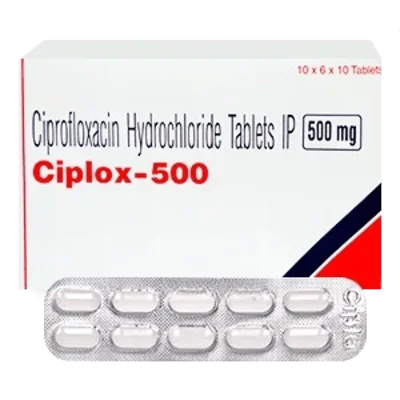
Ciplox is a ciprofloxacin antibiotic tablet for selected bacterial infections. Ciprofloxacin belongs to the fluoroquinolone class and is used only when appropriate for the suspected susceptible bacteria and infection.
Its active substance, ciprofloxacin, is used for selected infections caused by susceptible bacteria, including some urinary, gastrointestinal, respiratory, skin, bone, joint, and complicated intra-abdominal infections. Ciplox belongs to the fluoroquinolone antibiotic class. Ciprofloxacin is not suitable for every infection.
Ciplox contains ciprofloxacin as its active substance. Ciprofloxacin belongs to the fluoroquinolone class of antibiotics and is used for selected infections caused by susceptible bacteria. The exact product details are stated on the pack and in the leaflet.
Ciplox tablets are taken by mouth with water. The dose is stated on the pack — follow the leaflet.
Common adult regimens for selected infections may use:
Some infections require a different strength or another antibiotic. Do not change the dose, split the course, or continue treatment beyond the prescribed duration.
A practical spacing rule is to take ciprofloxacin at least two hours before or six hours after products containing aluminium, magnesium, calcium, iron, or zinc. Dairy products taken as part of a meal are usually less problematic than taking the tablet with a large amount of calcium-fortified food or drink alone.
Do not crush or chew the tablet unless the dispensing instructions specifically permit it. Take the complete prescribed course even if fever, pain, or urinary symptoms improve early.
Ciprofloxacin is a fluoroquinolone antibiotic that blocks bacterial DNA enzymes, stopping susceptible bacteria from multiplying. Its antibacterial activity includes many Gram-negative organisms and selected Gram-positive organisms.
Ciplox belongs to the fluoroquinolone antibiotic class. Its active substance, ciprofloxacin, is used for selected infections caused by susceptible bacteria, including some urinary, gastrointestinal, respiratory, skin, bone, joint, and complicated intra-abdominal infections. Treatment depends on the suspected organism, infection site, local resistance patterns, kidney function, and the severity of illness.
Ciprofloxacin is not suitable for every infection. It does not treat viral illnesses such as influenza or the common cold, and unnecessary antibiotic exposure increases the risk of resistant bacteria and adverse reactions. The FDA label recommends reserving systemic fluoroquinolones for situations where alternative antibacterial options are unsuitable for certain uncomplicated infections [1].
Ciprofloxacin has activity against many Gram-negative organisms and selected Gram-positive organisms. Its clinical use can include:
The antibiotic choice should match the infection. A culture and sensitivity test may be needed when infection is severe, recurrent, resistant, or associated with previous antibiotic exposure.
Clinical guidance from NICE and other authorities also separates uncomplicated infections from situations where fluoroquinolone treatment may offer a clear benefit. The EMA has required restrictions and safety warnings for systemic fluoroquinolones because tendon, nerve, musculoskeletal, and central nervous system reactions can occasionally persist after treatment [2].
Ciplox is an oral, single-active-substance fluoroquinolone antibiotic. Unlike topical treatments or combination products, it delivers ciprofloxacin systemically and is selected according to the infection site, suspected organism, local resistance patterns, kidney function, and illness severity.
Ciplox is not suitable for you if you have had a serious allergic reaction to ciprofloxacin, another quinolone, or a related fluoroquinolone. It also requires special clinical assessment if you have a history of tendon disease, peripheral neuropathy, seizures, significant kidney disease, heart rhythm problems, aortic aneurysm, or myasthenia gravis.
Important precautions include:
Do not use Ciplox without medical assessment if you have previously had a serious allergy to ciprofloxacin or another fluoroquinolone. Tell a clinician before treatment if you are pregnant or breastfeeding, have tendon or nerve problems, seizures, kidney or liver disease, heart-rhythm problems, diabetes, myasthenia gravis, or a history of severe psychiatric reactions to antibiotics. Extra caution is needed if you are older or take corticosteroids.
Common ciprofloxacin reactions include nausea, diarrhoea, abdominal discomfort, vomiting, headache, dizziness, and sleep disturbance. Mild gastrointestinal symptoms may settle during treatment, but severe or persistent diarrhoea needs prompt medical assessment because antibiotic-associated colitis can occur after antibiotic exposure.
Other possible reactions include:
Stop ciprofloxacin and obtain urgent medical attention if you develop:
Tendon injury can occur during treatment or months afterwards. The risk is higher in older adults, people with kidney disease, transplant recipients, and people taking corticosteroids. The European regulatory review identifies these effects as reasons to discontinue a fluoroquinolone when serious symptoms develop [3].
Ciprofloxacin can also worsen muscle weakness in people with myasthenia gravis. Sun sensitivity is less common than digestive symptoms, but covering exposed skin and limiting intense sunlight can reduce discomfort.
Several practical errors can reduce treatment success or increase adverse reactions:
One overlooked detail is sun sensitivity. People who spend long periods outdoors may notice burning or rash sooner during treatment, especially without protective clothing.
Another is dehydration. Vomiting, diarrhoea, fever, or hot weather can worsen dizziness and kidney stress, so fluid intake deserves attention unless fluid restriction applies.
Doctors generally reserve ciprofloxacin for infections where its antibacterial coverage and tissue penetration provide a clear clinical advantage. A prescriber will often consider the likely bacteria, previous culture results, local resistance, kidney function, and the patient’s other medicines before choosing the 500 mg tablet.
A common clinical mistake is treating symptom improvement as proof that the infection has been fully eradicated. Fever and pain can improve before the bacterial burden is controlled. The prescribed course still needs to be followed unless a serious reaction requires treatment to stop.
Physicians also distinguish expected mild nausea from warning symptoms. Mild stomach upset may be monitored, while tendon pain, neuropathy, severe diarrhoea, allergic swelling, confusion, or palpitations requires prompt action. Ciprofloxacin’s benefits must be balanced against its distinctive fluoroquinolone risks.
Some bacterial symptoms begin improving within two or three days, although the timing depends on the infection and the organism involved. The FDA prescribing information states that response should be assessed clinically rather than judged by symptom relief alone. As of 2026, SAHPRA pharmacovigilance principles still support reassessment when symptoms worsen, fail to improve, or return during treatment.
Ciplox does not treat viral respiratory infections such as influenza or most common colds. The WHO promotes antibiotic stewardship because unnecessary antibiotic use contributes to antimicrobial resistance. As of 2026, WHO guidance continues to distinguish bacterial infections requiring antibiotics from viral illnesses that do not respond to them.
Ciplox can be taken with food, but calcium, iron, magnesium, zinc, and aluminium can reduce ciprofloxacin absorption when taken too close together. The FDA label recommends separating mineral-containing products from ciprofloxacin. As of 2026, the same interaction principle remains relevant for multivitamins, antacids, and mineral supplements.
Stop strenuous activity and seek prompt medical assessment if tendon pain, swelling, or weakness develops. Fluoroquinolone-related tendon injury can occur during treatment or after the course has ended. The EMA safety review from 2018 remains a key regulatory reference in 2026 for this warning and supports stopping treatment when serious tendon symptoms appear.
Ciprofloxacin is not routinely selected during pregnancy, although a specialist may consider it for a serious infection when alternatives are unsuitable. The decision depends on the infection, culture results, pregnancy stage, and available antibiotics. As of 2026, the FDA label and SAHPRA safety principles support individual risk–benefit assessment rather than routine self-treatment.
Ciprofloxacin is not routinely used in children because fluoroquinolones can affect developing joints and have other significant adverse effects. Specialist clinicians may use it for selected serious infections when the expected benefit justifies the risk. WHO paediatric antimicrobial principles and regulatory information available in 2026 support specialist oversight for these cases.
Severe, persistent, or bloody diarrhoea can indicate antibiotic-associated colitis and requires urgent medical assessment. Do not self-treat severe diarrhoea with anti-motility medicines without clinical advice. The FDA label identifies serious diarrhoea as a possible complication of antibacterial treatment, and this warning remains clinically relevant in 2026.
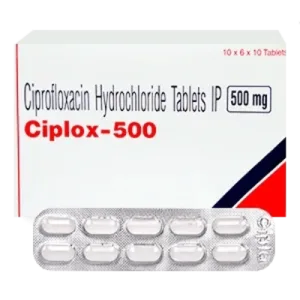
Your order will be securely packed and shipped within 24 hours. This is exactly what your package will look like (images of an actual item sent). It has the size and look of a regular private letter (24x11x0.7 cm) and its contents cannot be seen.


The urinary burning eased after two days, but I had mild nausea when I took Ciplox without food. Taking it after a light meal made the rest of the course easier.
The antibiotic helped my bacterial diarrhoea, but poor sleep and a metallic taste made the treatment unpleasant. The taste disappeared a few days after treatment ended.
I was taking an iron supplement at breakfast and Ciplox later in the morning. Once the doses were separated, the timing was easier to manage. I had to use phone reminders because the two daily doses were several hours apart.
I developed soreness near my Achilles tendon while taking ciprofloxacin. I stopped running and contacted the clinic rather than taking another dose without advice. The tendon symptoms needed follow-up, so the experience was concerning rather than reassuring.