Verified
The sinus pain and fever improved after a few days. I took the tablets with meals because the first dose caused nausea when I took it without food.
26 Oct 2026


Augmentin is a penicillin-class antibiotic containing amoxicillin trihydrate and potassium clavulanate. It is prescribed for susceptible bacterial infections, including selected sinus, chest, skin, dental, and urinary infections. Amoxicillin damages bacterial cell-wall formation, while clavulanate helps protect it from beta-lactamase enzymes.
Augmentin tablets contain amoxicillin trihydrate and potassium clavulanate, also described as amoxicillin/clavulanate. The combination belongs to the penicillins and beta-lactamase inhibitors class. [1]
Augmentin tablets contain amoxicillin trihydrate and potassium clavulanate, also described as amoxicillin/clavulanate. The dose is stated on the pack — follow the leaflet. The combination belongs to the penicillins and beta-lactamase inhibitors class. [1]
Augmentin is classified as a penicillin combined with a beta-lactamase inhibitor. Its antibacterial action is therefore different from medicines in the macrolide, fluoroquinolone, sulfonamide, or cephalosporin classes.
The product described here is the tablet formulation containing amoxicillin and potassium clavulanate. The dose is stated on the pack — follow the leaflet. The correct regimen depends on infection type, kidney function, age, body weight, and local clinical guidance. The prescriber may select a different schedule or formulation when renal impairment is present.
Practical administration points include:
Augmentin also exists in oral suspension and other specialised formulations, but those products are not interchangeable by volume or strength with tablets. Extended-release products and paediatric suspensions require separate instructions. A suspension must be shaken thoroughly before each dose because the medicine can settle between doses; this point does not apply to tablets.
Amoxicillin is an aminopenicillin. It interferes with bacterial enzymes needed to build and maintain the cell wall. Clavulanate is a beta-lactamase inhibitor. Some bacteria produce beta-lactamase enzymes that can break down susceptible penicillins; clavulanate binds to several of these enzymes and helps preserve amoxicillin activity.
The clavulanate component does not replace amoxicillin. It extends amoxicillin’s usefulness against selected bacteria that would otherwise resist it through beta-lactamase production.
Augmentin is prescribed for bacterial infections caused by organisms susceptible to the combination. The diagnosis, severity, local resistance patterns, kidney function, allergy history, and previous antibiotic exposure all influence the choice.
Common clinical uses include:
Augmentin is not automatically suitable for every sinus infection, cough, or chest infection. Green or yellow mucus alone does not prove that bacteria are responsible. Symptoms, examination findings, illness duration, fever pattern, and risk factors guide prescribing.
The expected response varies by infection. Fever and pain may begin improving within several days when the organism is susceptible, while cough, sinus pressure, or tissue swelling can take longer to settle. Worsening symptoms, new breathing difficulty, confusion, dehydration, or persistent high fever require prompt clinical assessment. The prescriber may need to reassess the diagnosis or treatment. Do not increase the dose without clinical advice.
Bronchiectasis deserves careful management. Repeated antibiotic courses can select resistant organisms, so sputum results and previous culture history may guide treatment when symptoms flare.
| Antibiotic category | Typical clinical distinction | Main limitation |
|---|---|---|
| Amoxicillin/clavulanate | Broad activity against selected respiratory, dental, skin, and bite-wound pathogens | Diarrhoea and liver reactions can occur; resistance remains possible |
| Cephalosporins | Useful alternatives for some infections and selected penicillin-allergy situations | Cross-reactivity and local resistance must be considered |
| Macrolides | May be used for selected respiratory pathogens or specific allergy situations | Resistance and drug interactions can limit use |
| Fluoroquinolones | Reserved for defined infections where benefits outweigh serious class risks | Tendon, nerve, heart-rhythm, and other serious adverse effects |
| Trimethoprim/sulfamethoxazole | Useful for certain susceptible urinary, skin, or gastrointestinal infections | Allergy, kidney effects, potassium changes, and resistance concerns |
Cephalexin, cefdinir, and ceftriaxone are cephalosporins with different dosing and activity profiles. Azithromycin is a macrolide. Ciprofloxacin and levofloxacin are fluoroquinolones, while trimethoprim/sulfamethoxazole is a sulfonamide combination. These medicines are not interchangeable with Augmentin tablet-for-tablet.
Clinicians often avoid broadening treatment unnecessarily. The narrowest suitable antibiotic can reduce avoidable adverse effects and antimicrobial selection pressure.
Augmentin is not suitable for you if you have had a severe immediate allergic reaction to amoxicillin, penicillin, or another beta-lactam antibiotic. It is also unsuitable after a previous Augmentin-associated episode of jaundice or clinically significant liver injury.
Tell the prescriber about:
Important interactions include:
Augmentin should not be used for a known viral infection unless a separate bacterial infection has been diagnosed.
This medicine may not be right for you if you have ever had a severe allergic reaction to penicillin or another beta-lactam antibiotic, or if Augmentin previously caused jaundice or serious liver problems. Speak with the prescriber before taking it if you have kidney or liver disease, are pregnant or breastfeeding, have glandular fever, or have had severe diarrhoea after antibiotics. Also mention medicines such as warfarin, methotrexate, allopurinol, probenecid, or mycophenolate mofetil.
The most frequent adverse effects involve the digestive system. Diarrhoea, nausea, vomiting, abdominal discomfort, and indigestion can occur because antibiotics alter intestinal bacteria as well as targeting the infection. Taking the tablet with food may help nausea, but severe or persistent diarrhoea needs medical review.
Other possible reactions include:
An amoxicillin rash can appear during treatment and does not always represent a true penicillin allergy, especially when a viral illness is present. A widespread, rapidly developing, blistering, peeling, or painful rash is different and requires urgent assessment.
Seek urgent medical care for facial or throat swelling, wheezing, faintness, difficulty breathing, or rapidly spreading hives. These symptoms may indicate a serious immediate hypersensitivity reaction.
Liver injury is uncommon but clinically significant. Warning signs include yellowing of the skin or eyes, unusually dark urine, pale stools, severe itching, or persistent pain beneath the right ribs. Liver problems may appear during treatment or after the course has ended.
Kidney problems are more likely in vulnerable patients, including those with reduced renal function, dehydration, or high exposure to other medicines affecting the kidneys. Reduced urine output, swelling, unusual tiredness, or blood in the urine need assessment.
Antibiotic-associated diarrhoea can sometimes be caused by Clostridioides difficile. Watery diarrhoea, abdominal cramping, fever, or blood in the stool during treatment or in the weeks afterwards should not be self-treated with anti-diarrhoeal medicines without clinical advice. [2]
Several everyday errors can make treatment less successful:
Doctors generally view Augmentin as a useful option when a susceptible bacterial infection is likely and beta-lactamase production may reduce the value of amoxicillin alone. The combination is not chosen simply because it covers “more bacteria”; broader coverage can also mean more gastrointestinal adverse effects and greater selection pressure.
A clinician will usually assess allergy history before prescribing. The words “penicillin allergy” need clarification because a remote mild rash and a previous episode of anaphylaxis have very different implications.
Treatment response is judged clinically. Reduced fever, improving pain, better breathing, and improved function are reassuring signs. Persistent deterioration suggests that the diagnosis, organism, dose, absorption, complication, or antibiotic choice may need reassessment.
One practical issue is adherence. Three daily doses can be difficult when work, school, or sleep schedules are irregular. Patients who miss doses repeatedly may receive less exposure than intended, even when the chosen antibiotic is appropriate.
Some bacterial symptoms begin improving within a few days, although the timeline depends on the infection and the organism. The 2023 FDA prescribing information describes Augmentin as treatment for susceptible bacterial infections rather than viral illnesses. Persistent fever, worsening pain, breathlessness, or new confusion needs prompt medical assessment rather than self-escalation.
Augmentin does not act against viruses; it acts against susceptible bacteria and does not treat influenza, most common colds, or other uncomplicated viral respiratory infections. WHO antimicrobial stewardship guidance published in 2022 supports reserving antibiotics for infections where bacterial treatment is likely or confirmed.
Augmentin can cause loose stools, nausea, and vomiting, which are recognised adverse effects, and taking the tablet with food may improve stomach tolerance. Severe watery diarrhoea, blood, fever, or abdominal pain can indicate C. difficile infection and requires medical evaluation. The 2024 EMA product information describes antibiotic-associated colitis as a clinically significant complication.
A person with a confirmed severe immediate penicillin reaction should not take Augmentin unless a specialist-led assessment specifically determines otherwise. Hives, facial swelling, breathing difficulty, or anaphylaxis after a previous beta-lactam dose are high-risk histories. SAHPRA antibiotic-safety principles published in 2024 support documenting the exact previous reaction rather than recording every rash as an identical allergy.
Taking Augmentin at the start of a meal is commonly advised because it improves clavulanate absorption and may reduce nausea. Food does not make an unsuitable antibiotic appropriate, so the diagnosis and prescribed schedule still determine treatment. The 2024 EMA product information describes administration with meals as a practical way to optimise tolerability.
Symptoms that fail to improve may reflect viral illness, resistant bacteria, an abscess requiring drainage, an incorrect diagnosis, poor absorption, or a complication. The treating clinician may request culture and sensitivity testing, review adherence, or select another antibiotic. NICE antimicrobial prescribing guidance supports reassessment when symptoms worsen or fail to follow the expected clinical course. [4]
Pregnancy and breastfeeding should be discussed with the prescriber, who weighs the untreated infection against the medicine’s expected benefits and risks. Amoxicillin/clavulanate has established clinical use, but the indication, dose, allergy history, and pregnancy stage still matter. The 2024 EMA product information and national prescribing guidance should be used for an individual treatment decision.
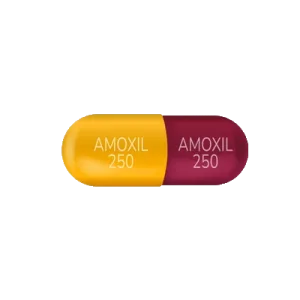
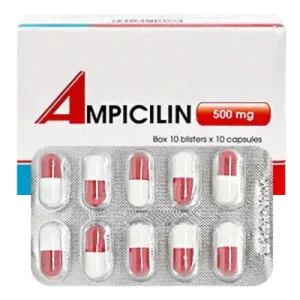
Your order will be securely packed and shipped within 24 hours. This is exactly what your package will look like (images of an actual item sent). It has the size and look of a regular private letter (24x11x0.7 cm) and its contents cannot be seen.



Culture and sensitivity testing helps identify the organism causing an infection and shows which antibiotics inhibit its growth. A laboratory may report the isolate as susceptible, intermediate, or resistant to amoxicillin/clavulanate.
Testing is especially useful when infection is severe, recurrent, associated with bronchiectasis, linked to recent antibiotic exposure, or failing to improve. Sputum culture may guide treatment during a bronchiectasis flare, while urine culture can help in selected urinary infections.
Prescribing patterns in clinical practice combine examination findings with local resistance data. Treatment may begin before results return when delay would be unsafe, then change when the culture report identifies a narrower or more suitable option. The WHO describes this approach as part of antimicrobial stewardship, which aims to preserve antibiotic activity while treating the current infection properly. [3]
The sinus pain and fever improved after a few days. I took the tablets with meals because the first dose caused nausea when I took it without food.
The dental swelling settled, but I developed loose stools near the end of treatment. It stopped after the course, although the stomach upset was inconvenient.
The infection did not improve after several days. Testing later showed that a different antibiotic was needed, so the treatment was changed rather than extended.
I had a mild itchy rash and contacted the clinic. The clinician reviewed my allergy history before deciding whether to continue.