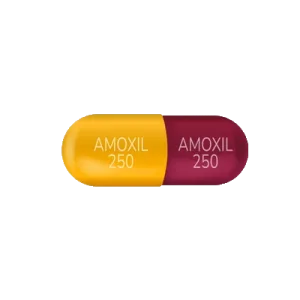
Description
Terramycin capsules are an oral antibacterial treatment intended for bacterial infections that respond to this medicine. They are taken by mouth at the prescribed dose, with treatment choice guided by the infection, patient factors, and local prescribing practice. The medicine works by limiting bacterial growth and reproduction. [1]
Composition
Terramycin belongs to the tetracycline class of antibacterial medicines. The capsule formulation is designed for oral administration and should be used only for infections where antibacterial treatment is clinically appropriate.
Tetracycline antibiotics act on bacterial protein production. Bacteria need newly made proteins to grow, multiply, and maintain their cellular functions. By interfering with this process, Terramycin can slow bacterial expansion and allow the immune system to clear the infection. [2]
The capsule should be swallowed with water. It should not be opened, crushed, or mixed into food unless a prescriber has specifically instructed this method.
Take each dose at a consistent time. A regular schedule helps maintain steadier antibacterial exposure and reduces the chance of missed treatment.
Dosage and usage
Use the prescribed Terramycin dose, frequency, and treatment duration. The correct regimen depends on the infection and the patient’s medical profile.
- Swallow the capsule with a full glass of water.
- Take doses at evenly spaced times.
- Remain upright after swallowing the capsule rather than taking it immediately before lying down.
- Keep the treatment schedule even if symptoms improve early.
- Do not double the next dose after a missed dose.
- If a dose is missed, take it when remembered unless the next scheduled dose is close; in that situation, skip the missed dose and continue normally.
Calcium, iron, magnesium, aluminium, and zinc can reduce absorption of tetracycline medicines when taken too close together. These minerals are found in some antacids, iron products, multivitamins, and mineral supplements. Separate them from Terramycin according to the prescribing instructions.
A common practical mistake is taking the capsule with a mineral supplement or an antacid. Keep a written medication schedule when several daily products are involved.
Food and drink instructions can vary by formulation and prescriber direction. Water is the safest routine fluid for swallowing the capsule.
How it works
Terramycin interferes with bacterial protein synthesis. Tetracycline-class medicines attach to the bacterial 30S ribosomal subunit, reducing the ability of bacteria to add new amino acids to developing proteins.
This action is generally bacteriostatic. In plain language, the medicine mainly restricts bacterial growth rather than destroying every organism immediately. The immune system then contributes to clearing the infection.
The pharmacological distinction matters because response depends on bacterial susceptibility, infection site, tissue penetration, and the patient’s immune function. A broad antibacterial spectrum does not mean that every infection will respond.
Indications
Terramycin is used for selected bacterial infections. It does not treat viral illnesses such as ordinary colds or influenza, and taking an antibacterial medicine for a viral infection will not shorten the illness.
The appropriate use depends on:
- The suspected or confirmed bacterial organism
- The site and severity of infection
- Previous antibiotic exposure
- Allergy history
- Kidney and liver function
- Pregnancy or breastfeeding status
- Other medicines being taken
A clinician may select a tetracycline when the suspected organism is susceptible and the medicine offers a suitable balance between oral administration, tissue distribution, and patient tolerability.
The treatment should be completed for the prescribed duration unless a clinician changes the plan. Stopping as soon as symptoms improve can leave surviving bacteria behind and may contribute to treatment failure or antimicrobial resistance.
Comparison
Terramycin is best understood by its mechanism rather than by the number of symptoms it may cover. Different antibacterial classes act on different bacterial targets and require different precautions.
The choice between these approaches is not based on convenience alone. Culture results, local resistance patterns, infection severity, allergy history, pregnancy status, organ function, and interaction risk all influence selection.
A broader spectrum is not automatically better. Unnecessary exposure can cause adverse effects and encourages resistant bacteria. The South African Health Products Regulatory Authority supports responsible medicine use through product regulation and safety monitoring within South Africa.
Contraindications
The medicine should not be used by a person with a previous serious allergic reaction to tetracycline-class antibiotics or any ingredient in the capsule.
Particular caution is needed in the following situations:
- Pregnancy, especially later pregnancy
- Breastfeeding
- Young children with developing teeth
- Significant liver disease
- Significant kidney disease
- Difficulty swallowing or previous oesophageal inflammation
- A history of severe antibiotic-associated diarrhoea
- Use of medicines or supplements containing iron, calcium, magnesium, aluminium, or zinc
Interaction risks may involve antacids, mineral supplements, anticoagulants, retinoid medicines, and other antibacterial treatments.
Treatment may require adjustment when organ function is impaired. The appropriate response depends on the specific formulation and clinical circumstances, so the prescribed regimen should not be changed independently.
The United States Food and Drug Administration describes class-specific warnings for tetracycline antibacterial medicines, including hypersensitivity, photosensitivity, gastrointestinal irritation, and effects on developing teeth and bones. [3]
When this is not for you
Terramycin is NOT for you if a clinician has identified a serious tetracycline allergy or a nonbacterial illness requiring another approach.
Particular caution is needed if you are pregnant, breastfeeding, have developing teeth, significant liver or kidney disease, difficulty swallowing, or a history of severe antibiotic-associated diarrhoea. Tell the prescriber about all medicines being used.
Side effects
Digestive symptoms are among the reactions patients may experience with oral antibacterial treatment. Possible effects include nausea, abdominal discomfort, loose stools, and reduced appetite.
Other possible reactions include:
- Headache or dizziness
- Skin sensitivity to sunlight
- Rash or itching
- Irritation of the throat or oesophagus
- Changes in the normal balance of bacteria in the mouth or intestine
Severe diarrhoea, especially with blood, fever, or persistent abdominal cramps, needs prompt medical assessment because antibiotic-associated colitis can occur during or after treatment. Facial swelling, breathing difficulty, widespread blistering rash, or collapse may indicate a serious allergic reaction.
Tetracycline medicines can increase sensitivity to sunlight in some patients. Protective clothing and reduced exposure to intense sunlight are sensible during treatment, especially for people who already burn easily.
One detail patients often miss is the swallowing position. Taking a capsule with little water and lying down soon afterwards can increase irritation in the oesophagus.
Another practical issue is dental care. Some tetracycline medicines can affect developing teeth and bones, so age, pregnancy, and breastfeeding status must be considered before treatment.
Report new severe heartburn or pain behind the breastbone after swallowing a capsule. These symptoms can reflect oesophageal irritation rather than ordinary indigestion.
Common mistakes
Poor results often follow practical errors rather than a failure of the antibacterial mechanism.
- Taking the capsule with an antacid or mineral supplement
- Swallowing it with too little water
- Lying down immediately after the dose
- Stopping treatment when symptoms first improve
- Saving leftover capsules for a later illness
- Sharing capsules with another person
- Taking two doses together after forgetting one
- Ignoring severe diarrhoea or an expanding rash
- Failing to mention pregnancy, breastfeeding, or previous antibiotic allergy
- Assuming every sore throat, cough, or cold needs an antibiotic
A missed dose is usually handled by taking it when remembered unless the next dose is near. Doubling the dose can increase adverse effects without restoring the intended treatment schedule.
Keep Terramycin separate from iron, calcium, magnesium, aluminium, and zinc products unless the prescribing instructions provide a specific timing plan.
What doctors say
In clinical practice, doctors usually assess the infection before deciding whether Terramycin is appropriate. The medicine is not selected solely because symptoms sound bacterial; the infection site, likely organism, resistance risk, and patient history all matter.
A physician will usually want to know about:
- Previous reactions to antibiotics
- Pregnancy or breastfeeding
- Kidney or liver problems
- Use of antacids or mineral supplements
- Recent antibiotic treatment
- Persistent diarrhoea after earlier antibiotics
- Medicines used for acne, blood clotting, seizures, or chronic disease
Doctors also monitor the pattern of improvement. Fever, pain, discharge, swelling, or breathing symptoms that worsen during treatment can indicate that the organism is resistant, the diagnosis is different, or the infection needs additional treatment.
Antimicrobial stewardship does not mean withholding useful treatment. It means matching the medicine to the infection and avoiding exposure when bacteria are not the cause.