Description
Minomycin belongs to the tetracycline group of antibiotics. Its active ingredient is minocycline, which acts against susceptible bacteria by interfering with protein synthesis inside the bacterial cell. This action prevents bacteria from multiplying and can reduce inflammation in conditions such as acne vulgaris.
Composition
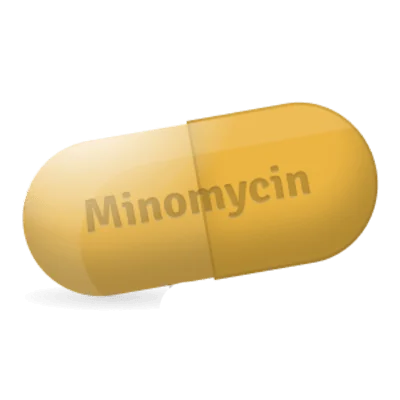
Minomycin is supplied as oral capsules. The exact strength prescribed depends on the infection, the treatment plan, kidney and liver function, age, and the response to therapy. Take only the prescribed dose; different infections require different schedules.
Minocycline is used for selected bacterial infections, including some skin infections and acne. Antibiotics do not treat viral illnesses such as ordinary colds or influenza.
Swallow Minomycin with a full glass of water while sitting or standing. Remaining upright lowers the chance of irritation in the throat and oesophagus.
Dosage and usage
The prescribed Minomycin schedule depends on the condition being treated and the capsule strength. Follow the individual prescription for the amount and frequency. Do not increase the dose because symptoms feel severe, and do not extend the course because the medicine seems to be helping.
For oral administration:
- Swallow the capsule whole with plenty of water.
- Take doses at evenly spaced times when possible.
- Remain upright after taking it rather than lying down immediately.
- Take the medicine with food if stomach upset occurs, unless the prescriber has given different instructions.
- Complete the prescribed course unless a clinician changes it because of an adverse reaction.
- If a dose is missed, take it when remembered unless the next dose is due soon; skip the missed dose rather than doubling the next one.
Calcium, magnesium, aluminium, iron, and zinc can reduce tetracycline absorption. These minerals occur in antacids, iron tablets, some multivitamins, and mineral supplements. Separate them from Minomycin according to the timing provided by the prescriber or product information.
A common practical problem is taking the capsule with a mineral supplement at breakfast. Keep a written dosing schedule when iron, antacids, or multivitamins are part of the same daily routine.
Sun sensitivity can occur during minocycline treatment. Use protective clothing and sunscreen during strong sunlight, especially if outdoor work or sport is part of the routine.
How it works
Minocycline enters susceptible bacterial cells and binds to the 30S ribosomal subunit. This blocks the attachment of aminoacyl-tRNA, a step bacteria need to build proteins. Without adequate protein production, bacterial growth slows or stops.
The anti-inflammatory effect also matters in acne. Minocycline can reduce inflammatory lesions by affecting bacterial activity and inflammatory signalling in the skin. Improvement is gradual, so a few days of treatment do not provide a reliable measure of the final response.
Minomycin differs from antibiotics that damage bacterial cell walls. Its main action is inhibition of protein synthesis. This distinction helps explain why it may be selected for acne or infections caused by bacteria that remain susceptible to tetracyclines, while it may be unsuitable for organisms with relevant resistance.
The World Health Organization places antibiotic selection within antimicrobial stewardship principles: treatment should match the suspected or confirmed infection, use the shortest suitable course, and avoid unnecessary exposure [1].
Indications
Minomycin is an oral antibiotic capsule containing minocycline, a tetracycline-class medicine used for selected bacterial infections and inflammatory acne. It is prescribed when a clinician considers tetracycline treatment appropriate.
Minocycline is used for selected bacterial infections, including some skin infections and acne. Antibiotics do not treat viral illnesses such as ordinary colds or influenza.
Comparison
Minocycline and doxycycline share a pharmacological family, yet tolerability differs between individuals. Doxycycline is often associated with sun sensitivity and oesophageal irritation, while minocycline can cause vestibular symptoms such as dizziness or spinning sensations. Local resistance patterns and the diagnosis influence the choice.
For acne, antibiotic treatment should not be used alone for indefinite maintenance. NICE recommends limiting antibiotic exposure and combining treatment decisions with topical or non-antibiotic options when clinically appropriate [2].
Contraindications
Specific situations requiring avoidance or careful prescribing include:
- Pregnancy, because tetracyclines can affect fetal development.
- Breastfeeding, unless the prescriber has assessed the individual situation.
- Children under eight years, except under specialist direction.
- Significant liver disease.
- A history of minocycline-related hepatitis, lupus, severe rash, or hypersensitivity.
- Raised intracranial pressure or a history of intracranial hypertension.
- Severe kidney impairment, where monitoring and dose assessment may be needed.
- Treatment with oral retinoids, because both medicines can contribute to raised intracranial pressure.
Minomycin can interact with isotretinoin and other systemic retinoids, antacids, iron, calcium, magnesium, zinc, warfarin, and some medicines processed through the liver. Tell the prescriber about acne treatments, supplements, anticoagulants, and long-term medicines before treatment begins.
Tetracyclines can interfere with the development of teeth and bones in young children. Pregnancy and paediatric use therefore require a specific clinical decision rather than routine self-treatment.
When this is not for you
Minomycin is not for you if you have a tetracycline allergy, are pregnant, or have a clinician-identified contraindication. It should not be used in people with a serious allergy to minocycline, other tetracyclines, or any capsule component.
Speak with a prescriber before using it if you are breastfeeding, have liver or kidney disease, are under eight years old, have had raised pressure inside the skull, or previously experienced hepatitis, lupus, a severe rash, or hypersensitivity from minocycline. Also mention oral retinoids, antacids, mineral supplements, warfarin, and other long-term medicines.
Side effects
Common effects can include nausea, stomach discomfort, loose stools, headache, dizziness, and increased sensitivity to sunlight. Dizziness may be more noticeable during the first days of treatment or after a dose increase. Avoid driving, cycling in traffic, or operating machinery until the effect on balance and alertness is clear. Mild effects may settle as treatment continues. Persistent or troublesome effects should be discussed with a clinician.
Minocycline can cause blue-grey or brown pigmentation of the skin, gums, nails, teeth, or internal tissues, especially after longer exposure. New or worsening pigmentation deserves medical review because it may persist after treatment.
Seek prompt medical attention for:
- Severe or persistent headache with blurred or double vision.
- A widespread rash, facial swelling, breathing difficulty, or blistering skin.
- Yellowing of the skin or eyes, dark urine, or marked abdominal pain.
- Severe watery or bloody diarrhoea during treatment or after completion.
- Joint pain, fever, swollen glands, or unusual fatigue.
- New balance problems, severe vertigo, fainting, or hearing changes.
One detail patients often miss is that dizziness can appear without stomach upset. A person may feel well otherwise but still have impaired balance, so the first few doses should not coincide with a risky climb, long drive, or water activity.
Minocycline may also trigger drug-induced lupus, autoimmune hepatitis, or hypersensitivity syndromes. These reactions are uncommon but clinically important, especially during prolonged courses.
If diarrhoea becomes severe, persistent, bloody, or associated with fever, do not self-treat with an anti-diarrhoeal medicine before obtaining medical assessment. Antibiotic-associated colitis can occur during treatment or weeks later.
Common mistakes
- Taking Minomycin with iron, calcium, magnesium, zinc, or an antacid.
- Swallowing the capsule with only a small sip of water.
- Lying down immediately after taking it.
- Stopping when acne or infection symptoms first improve.
- Saving remaining capsules for a future illness.
- Taking two doses together after a missed dose.
- Ignoring new dizziness and continuing to drive.
- Staying in strong sunlight without protection.
- Combining Minomycin with an oral retinoid without medical direction.
- Treating a cold or influenza with an antibiotic.
A capsule taken correctly can still fail when the organism is resistant or when the underlying diagnosis is not bacterial. Persistent fever, worsening pain, spreading redness, breathing symptoms, or rapid deterioration needs reassessment rather than extra doses.
What doctors say
In clinical practice, doctors usually judge Minomycin by three measures: whether the diagnosis is suitable for antibiotic therapy, whether symptoms are improving on the expected timetable, and whether adverse effects remain acceptable.
For acne, the aim is not simply to suppress bacteria. The treatment plan also addresses blocked follicles, oil production, inflammation, and the risk of scarring. A patient with painful nodules, scarring, or widespread disease may need a broader plan than an oral antibiotic alone.
Physicians also review the duration of therapy. Prolonged antibiotic exposure can increase resistance and may raise the chance of pigmentation, autoimmune reactions, or other adverse effects. The British Association of Dermatologists supports antibiotic stewardship and structured review for acne treatment rather than open-ended antibiotic use.
A practical prescribing point is that dizziness does not always mean the medicine must be stopped, but it must be reported when it affects walking, driving, work, or daily activities. Severe symptoms, allergic features, jaundice, visual problems, or neurological symptoms require urgent evaluation.