Description
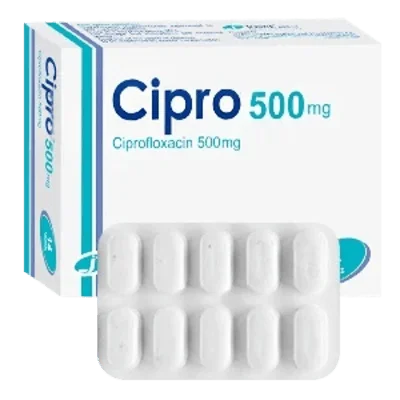
Cipro is a prescription fluoroquinolone antibiotic containing ciprofloxacin. It belongs to the quinolone family and is used for selected bacterial infections, including some urinary tract infections. Ciprofloxacin works by blocking bacterial DNA replication.
Composition
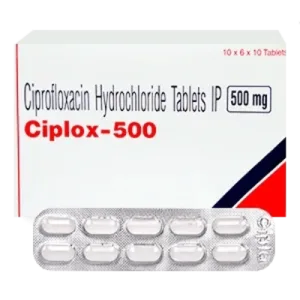
Cipro contains ciprofloxacin, a fluoroquinolone antibiotic in the quinolone family. The product is supplied as a tablet; the dose is stated on the pack — follow the leaflet. Ciprofloxacin acts against susceptible bacteria by inhibiting DNA gyrase and topoisomerase IV, enzymes bacteria need to copy and repair their genetic material. The FDA prescribing information describes ciprofloxacin for selected urinary, respiratory, gastrointestinal, skin, bone, joint, and other bacterial infections when the organism is susceptible [1].
Cipro is not suitable for every infection. Antibiotics do not treat viruses such as influenza or most common colds, and ciprofloxacin is reserved for situations where its antibacterial spectrum and risk profile fit the infection.
Available formulations and related names
These formulations are not interchangeable tablet-for-tablet. Extended-release tablets have a different release pattern, while intravenous ciprofloxacin requires administration by trained healthcare staff.
The dose is stated on the pack — follow the leaflet. Ciprofloxacin dosing changes with the infection, kidney function, age, and the bacteria involved.
Dosage and usage
Cipro tablets are taken by mouth with water. The prescribed schedule depends on the infection and kidney function. The dose is stated on the pack — follow the leaflet; the correct frequency and treatment duration must come from the prescription.
Oral administration
- Swallow the tablet with a full glass of water.
- Take doses at evenly spaced times.
- Continue for the prescribed duration unless a serious reaction requires urgent medical assessment.
- Do not take the tablet at the same time as aluminium-, magnesium-, calcium-, or iron-containing products.
- Do not take Cipro with dairy products alone as the only liquid or food accompanying the dose.
- Take a missed dose when remembered unless the next dose is near; never double the next dose.
Extended-release tablets must be swallowed whole. Crushing, chewing, or splitting an extended-release tablet can change how ciprofloxacin is released. The immediate-release Cipro tablet also should not be altered unless the prescriber or dispensing pharmacist has confirmed that the specific tablet can be divided.
Cipro I.V. is administered by intravenous infusion in a clinical setting. It is not a form that patients inject themselves.
A practical routine is to take ciprofloxacin with water at a fixed morning or evening time, then place mineral supplements and antacids in a separate time window rather than taking them together.
Missed doses
Take the missed dose when there is enough time before the next scheduled dose. If the next dose is due soon, skip the missed dose and return to the regular schedule. Taking two doses close together raises the chance of adverse effects without reliably improving antibacterial activity.
Kidney impairment can require a lower dose or a longer interval. This adjustment is easy to miss when treatment is prescribed by more than one clinician, so the prescriber needs an accurate medicine list and kidney history.
Oral and intravenous formats
How it works
Ciprofloxacin enters susceptible bacterial cells and interferes with DNA gyrase and topoisomerase IV. These enzymes control DNA coiling and separation during bacterial growth. Their inhibition stops replication and can lead to bacterial cell death.
This mechanism differs from medicines that slow bacterial protein production or disrupt the bacterial cell wall. Fluoroquinolones can reach several tissues, but tissue penetration does not make them appropriate for every infection. Local resistance is a major factor, and the World Health Organization places fluoroquinolones in a category requiring careful antimicrobial stewardship [2].
Indications
Clinical uses may include:
- Selected urinary tract infections and complicated urinary infections
- Certain gastrointestinal infections
- Some lower respiratory, skin, bone, joint, or intra-abdominal infections
- Specific exposure-related infections, including inhalational anthrax, under specialist direction
- Plague caused by susceptible Yersinia pestis, under specialist direction
Treatment decisions depend on the suspected organism, local resistance patterns, kidney function, infection site, and previous antibiotic exposure.
Doctors may choose ciprofloxacin when:
- A laboratory result shows susceptibility
- The infection is caused by bacteria known to respond to ciprofloxacin
- Alternative antibiotics are unsuitable
- An oral option with useful tissue penetration is needed
- A specific exposure-related indication has been confirmed
Comparison
Ciprofloxacin belongs to a broad antibacterial class, but broad activity does not automatically make it the preferred choice. Antibiotic selection should follow the infection site, culture results, resistance data, allergies, organ function, and national guidance.
Contraindications
Cipro is not suitable for you if you have had a serious allergic reaction to ciprofloxacin or another quinolone. It is also contraindicated with tizanidine because ciprofloxacin can substantially increase tizanidine exposure, causing profound sedation, low blood pressure, and impaired movement.
People with myasthenia gravis need special caution. Fluoroquinolones can worsen neuromuscular weakness, and the FDA prescribing information warns about this risk.
When this is not for you
Tell the prescriber before treatment if you have:
- Previous tendon rupture or tendon inflammation
- A history of peripheral neuropathy
- Myasthenia gravis
- Epilepsy or another seizure disorder
- An abnormal heart rhythm or known QT prolongation
- Aortic aneurysm or significant vascular disease
- Kidney disease
- Diabetes treated with insulin or sulfonylureas
- Pregnancy or breastfeeding
- A prior severe reaction to a fluoroquinolone
The risk of tendon injury rises with corticosteroids, older age, kidney impairment, and organ transplantation. New weakness, difficulty swallowing, or breathing problems require immediate assessment in a person with myasthenia gravis.
Mention tendon problems, nerve symptoms, heart-rhythm conditions, diabetes treatment, and corticosteroid use before ciprofloxacin is prescribed. These details can change antibiotic selection or monitoring.
Side effects
Common reactions can include nausea, diarrhoea, vomiting, abdominal discomfort, headache, dizziness, and sleep disturbance. Mild gastrointestinal symptoms may settle during treatment, but persistent or severe diarrhoea needs medical assessment because antibiotic-associated colitis can occur after exposure.
Fluoroquinolones also carry uncommon but serious risks. The EMA has described potentially long-lasting or disabling reactions affecting tendons, muscles, joints, nerves, and the central nervous system .
Seek urgent medical care for:
- Pain, swelling, or sudden weakness in a tendon, especially the Achilles tendon
- Burning, tingling, numbness, altered sensation, or weakness in the arms or legs
- New severe anxiety, confusion, hallucinations, agitation, or marked sleep disturbance
- Fainting, rapid or irregular heartbeat, or severe palpitations
- Severe watery or bloody diarrhoea
- Facial swelling, wheezing, widespread rash, or difficulty breathing
- Sudden low blood sugar symptoms, including sweating, shaking, confusion, or loss of consciousness
Ciprofloxacin may affect blood glucose, with hypoglycaemia reported in people using insulin or certain diabetes medicines. Older adults, people with kidney disease, transplant recipients, and patients taking corticosteroids have a higher tendon-risk profile.
Tendon pain can start during treatment or after the course has ended. Stop strenuous exercise and obtain urgent medical advice if new Achilles, shoulder, hand, or knee tendon pain appears.
Sun sensitivity, dizziness, and sleep changes can also occur. Dizziness matters when driving, working at heights, or operating machinery. A metallic taste or mild nausea is uncomfortable but differs from symptoms suggesting nerve injury or severe allergy.
Common mistakes
Several practical errors can reduce treatment reliability or increase adverse effects:
- Taking every dose with a calcium-fortified drink
- Using an antacid at the same time as the tablet
- Stopping after one or two doses because symptoms improve
- Doubling the next dose after a missed tablet
- Crushing an extended-release ciprofloxacin tablet
- Continuing intense exercise after tendon pain begins
- Forgetting to mention warfarin, steroids, insulin, or mineral supplements
- Treating a cold or influenza with leftover antibiotics
- Assuming diarrhoea is harmless when it is severe, persistent, or bloody
One easily missed detail is the timing of mineral supplements. A person may separate a tablet from breakfast yet still take iron or magnesium close to the dose through a multivitamin. The interaction is related to mineral content, not only to the product’s intended purpose.
What doctors say
In clinical practice, doctors usually assess three points before choosing ciprofloxacin: whether the illness is bacterial, whether the suspected organism is susceptible, and whether a lower-risk antibiotic would provide suitable coverage.
A physician will also consider kidney function, previous antibiotic reactions, tendon history, diabetes treatment, heart rhythm, and interacting medicines. A prescription for ciprofloxacin does not mean that every symptom should improve immediately; fever, pain, and inflammation can take time to settle even after bacterial growth is controlled.
Treatment adherence matters, but continuing a medicine despite a serious reaction is unsafe. Tendon pain, nerve symptoms, severe diarrhoea, allergic swelling, or major changes in mood require prompt clinical assessment.