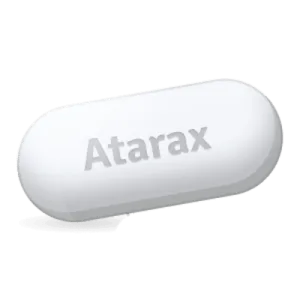
Description
Zyrtec is an oral second-generation antihistamine containing cetirizine hydrochloride. It is used for allergic rhinitis, hay fever, and urticaria in adults and eligible children. By blocking peripheral H1 histamine receptors, it reduces sneezing, nasal discharge, itching, watery eyes, and allergy-related skin symptoms.
Composition
Zyrtec belongs to the second-generation antihistamine class. Its active ingredient, cetirizine hydrochloride, reduces the effects of histamine, a chemical messenger released during an allergic response. Histamine contributes to nasal swelling, itching, sneezing, watery eyes, and raised itchy skin lesions.
Cetirizine is the active form used in Zyrtec tablets. It acts mainly on peripheral H1 receptors, which helps limit allergy symptoms while generally causing less central nervous system sedation than older first-generation antihistamines. Mild drowsiness can still occur in some people. [1]
Active Ingredient and Pharmacological Class
Cetirizine hydrochloride is an H1-receptor antagonist. In plain language, it prevents histamine from attaching to specific receptors involved in allergic symptoms.
Dosage and usage
Zyrtec is supplied on this page as tablets. The medicine is taken orally with water. The exact tablet strength and regulatory dosing directions apply to the specific product presentation.
- Take the tablet at the frequency specified in the product’s regulatory directions.
- Swallow the tablet with water unless a prescriber has given different instructions.
- Take doses at consistent times when daily treatment is required.
- Do not take extra tablets to compensate for a missed dose.
- If a dose is missed, take it when remembered unless the next scheduled dose is near.
- Do not double the next dose.
- Use additional antihistamines only when a clinician has specifically advised the combination.
The standard adult regimen for cetirizine products is commonly once daily, while age, kidney function, and the specific regulatory presentation can alter the appropriate regimen. Children require age-appropriate directions rather than an adult dose divided into smaller portions.
Kidney impairment can reduce cetirizine clearance. Older adults may also be more vulnerable to drowsiness, confusion, or impaired coordination. These factors can require a lower dose or a longer dosing interval under clinical direction.
A missed dose is usually handled by returning to the normal schedule. Taking two doses close together increases the chance of drowsiness without providing proportionally better allergy control.
How it works
An allergic reaction begins when the immune system responds to a usually harmless substance. Mast cells then release histamine and other inflammatory mediators. Histamine binds to H1 receptors in the nose, eyes, skin, and airways, producing the familiar symptoms of allergy.
Cetirizine competes with histamine at peripheral H1 receptors. This reduces receptor activation and limits the allergic cascade. The result can include less sneezing, reduced nasal discharge, less itching, and fewer watery-eye symptoms.
Zyrtec does not work by suppressing the immune system broadly. It targets one important pathway involved in immediate allergy symptoms. It also does not provide the same type of airway-opening action as a bronchodilator.
Second-generation antihistamines tend to be less lipophilic than many first-generation agents. This limits their passage across the blood–brain barrier. Cetirizine can still produce measurable drowsiness in susceptible people, especially when combined with alcohol, sedatives, or medicines that impair alertness.
Indications
Zyrtec is used for:
- Allergic rhinitis: nasal congestion, sneezing, runny nose, and nasal itching caused by pollen, dust mites, mould, or animal allergens.
- Hay fever: seasonal allergic rhinitis linked with pollen exposure.
- Perennial allergic rhinitis: symptoms that continue throughout the year.
- Urticaria: raised, itchy wheals commonly called hives.
- Allergy-related itching: symptoms caused by histamine release in the skin.
The tablet is taken by mouth. Its clinical role is symptom relief, so the response may vary according to the allergen, exposure level, and severity of inflammation. It may be unsuitable when symptoms arise from a non-allergic cause.
Comparison
Second-generation antihistamines share an H1-blocking mechanism, but their onset, duration, metabolism, and likelihood of sedation differ.
Cetirizine may begin relieving symptoms within about one hour for many people. Loratadine may have a slower perceived onset in some patients. Fexofenadine generally has a lower sedative potential, while levocetirizine has a closely related pharmacological profile.
The best choice depends on the symptom pattern and the person’s response. Someone who needs to remain highly alert may prefer a less sedating option. Someone seeking rapid control of sneezing or itching may respond well to cetirizine, although individual results differ. Sedation can still limit its suitability for driving or safety-sensitive work. Kidney function and concurrent medicines can also affect the safest choice.
Do not routinely combine two oral antihistamines. Using cetirizine together with another H1 blocker can increase adverse effects without creating a reliable improvement in symptom control.
When this is not for you
Not for you if you have severe breathing difficulty, an untreated serious reaction, or a dosing concern that requires clinician assessment.
Side effects
Most adverse effects associated with cetirizine are mild. The most relevant practical issue is drowsiness, even though cetirizine is classified as a second-generation antihistamine.
Possible effects include:
- Sleepiness or reduced alertness
- Fatigue
- Headache
- Dry mouth
- Dizziness
- Gastrointestinal discomfort
- Sore throat or nasal irritation
- Occasional skin reactions
Drowsiness may be more noticeable during the first few doses. Alcohol can amplify impairment. Sedatives, sleep medicines, opioid analgesics, and some anxiety medicines may have additive effects on alertness.
Severe allergic reactions to cetirizine are uncommon but require urgent medical attention. Warning signs include swelling of the lips or tongue, difficulty breathing, faintness, or rapidly spreading hives with systemic symptoms.
A dry mouth can be managed by drinking water regularly and limiting excessive caffeine. Persistent fatigue should not automatically be blamed on allergy itself; poor sleep, infection, anaemia, and other medicines can produce similar symptoms.
A tablet that controls sneezing but causes daytime sedation may need a timing adjustment or a different antihistamine. Do not compensate by taking stimulant products without checking for interactions.
Common mistakes
Several everyday mistakes reduce the benefit of Zyrtec or increase unwanted effects:
- Taking two antihistamines together without clinical advice.
- Drinking alcohol soon after the first dose.
- Driving before learning whether drowsiness occurs.
- Using a missed dose as a reason to double the next dose.
- Treating severe nasal blockage with repeated oral doses.
- Assuming a tablet will treat wheezing or an asthma attack.
- Continuing treatment for unexplained itching without reassessing the cause.
- Giving an adult tablet regimen to a child without age-appropriate directions.
- Ignoring reduced kidney function when selecting a regimen.
- Combining cetirizine with sedatives and then attributing impaired concentration to tiredness.
One easily missed detail is timing. A person may feel sleepy the morning after an evening dose, while another may notice no impairment at all. Individual response matters more than the label category “non-sedating.”
What doctors say
In clinical practice, doctors often assess the pattern of symptoms before choosing an antihistamine. Sneezing, itching, watery eyes, and a clear runny nose respond more predictably to antihistamine treatment than severe blocked-nose symptoms caused by marked mucosal swelling.
A physician would usually ask about sleepiness, alcohol intake, kidney function, pregnancy, breastfeeding, and medicines that affect alertness. The response during the first few days can help identify whether cetirizine is suitable for routine use.
For chronic urticaria, antihistamine treatment may need a structured plan rather than occasional tablet use. Persistent wheals lasting more than six weeks can indicate chronic urticaria and may require specialist assessment.
Cetirizine controls symptoms but does not cure an underlying allergy. Environmental measures, such as reducing exposure to a known trigger, can improve control alongside medicine.