
Verified
Sneezing and itchy eyes settled within the first few days. I still needed a separate approach for a blocked nose, especially in the mornings.
10 Oct 2026
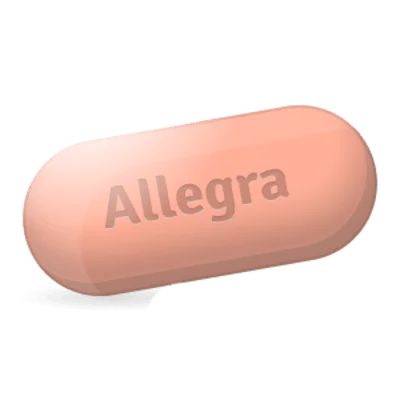
Allegra is an oral antihistamine tablet for adults and eligible children with allergic rhinitis or hives. It helps relieve allergy-related sneezing, itching, runny nose, watery eyes, and skin discomfort by reducing histamine activity.
Allegra is an oral antihistamine tablet used to relieve symptoms of allergic rhinitis and hives. It is intended for adults and eligible children according to the prescribed strength. The medicine reduces the effect of histamine, helping ease sneezing, a runny nose, itching, watery eyes, and allergy-related discomfort.
Allegra is supplied as an oral antihistamine tablet. The exact strength and full composition may vary by product presentation, so the ingredient details should be checked on the pack. The tablet is intended to help reduce histamine-related allergy symptoms.
Allegra is supplied as tablets. The exact strength and schedule depend on the product presentation and the individual treatment plan.
Use the tablets as follows:
Some allergy medicines are taken once daily, while other schedules may differ according to age, indication, kidney function, and product strength. The prescribed instructions take priority.
Do not crush or split a tablet unless the product instructions specifically allow it. Altering a tablet can affect how it dissolves or make accurate dosing difficult.
Allegra belongs to the second-generation antihistamine class. Its therapeutic action is directed at histamine H1 receptors, which contribute to sneezing, itching, watery eyes, nasal discharge, and raised itchy skin lesions.
Histamine is released during an allergic response. It widens small blood vessels and stimulates sensory nerves, producing familiar allergy symptoms. By limiting histamine activity at peripheral H1 receptors, Allegra can reduce these symptoms without directly treating the underlying allergen exposure.
Second-generation antihistamines are designed to produce less central nervous system sedation than older antihistamines. The degree of drowsiness can still vary between individuals.
Clinical guidance from the European Medicines Agency describes antihistamines as medicines that reduce the effects of histamine at H1 receptors [1].
Allegra is used for allergic rhinitis and urticaria. Allergic rhinitis may be seasonal, such as during periods of high pollen exposure, or persistent, such as with indoor allergens.
Common clinical uses include:
Seasonal allergic rhinitis often follows exposure to grass, tree, or weed pollen. Indoor symptoms may be triggered by dust mites, mould, or animal dander. Chronic urticaria produces recurring itchy wheals that can appear on different areas of the body.
Allegra may reduce the symptoms of these conditions, but it does not remove the trigger. Symptoms can return after renewed exposure to pollen, dust, or another allergen.
The most useful comparison is by therapeutic role rather than by brand.
| Treatment approach | Main role | Main limitation |
|---|---|---|
| Allegra antihistamine tablets | Reduces histamine-related sneezing, itching, watery eyes, and hives | May not fully relieve severe nasal blockage |
| Intranasal corticosteroid | Reduces broader nasal inflammation and congestion | Requires regular nasal use and correct technique |
| Saline nasal treatment | Rinses irritants and loosens nasal secretions | Does not block histamine receptors |
Antihistamine tablets are convenient when symptoms affect several areas at once, such as the nose, eyes, and skin. Intranasal treatment may be more suitable when congestion is the dominant complaint. A clinician may use different treatment categories together when symptoms remain troublesome.
Allegra should not be treated as interchangeable with every allergy product. Different medicines have different active ingredients, dosing schedules, sedative effects, and interaction profiles.
Allegra is not suitable for everyone. This medication is not for you if you have had a serious allergic reaction to its active substance or to a tablet ingredient.
Extra care is needed in the following situations:
Tell the prescriber about all medicines being taken, including antacids, sleep medicines, sedatives, and treatments for cancer or chronic bowel disease. Interaction databases identify clinically relevant effects involving fexofenadine and medicines such as eluxadoline or bosutinib, so medication reconciliation matters [2].
Do not use an antihistamine to delay urgent care for anaphylaxis. Throat tightness, wheezing, collapse, or rapidly worsening swelling needs emergency treatment.
Most people tolerate antihistamine tablets without serious problems. Possible adverse effects include:
Drowsiness is less typical with second-generation antihistamines than with older sedating antihistamines, but it can still occur. Alcohol, sleep medicines, and other sedating substances may increase impairment.
Rare but serious reactions may include facial swelling, swelling of the lips or tongue, breathing difficulty, fainting, or a widespread blistering rash. These symptoms require urgent medical attention.
People with reduced kidney function may need a different dosing approach because renal impairment can change antihistamine exposure. Older adults may also be more sensitive to dizziness or reduced alertness.
Several routine mistakes can reduce symptom control:
Another common error is expecting an antihistamine tablet to open a severely blocked nose immediately. A blocked nose may reflect inflammation that requires a different treatment strategy.
People sometimes forget to mention non-prescription medicines. Antacids, sleep aids, cold remedies, and herbal products can all matter when assessing the safest schedule.
From a clinical perspective, Allegra may help relieve symptoms of allergic rhinitis or hives when used according to the prescribed plan. Consistent use at the scheduled interval supports symptom control, while the dose should not be changed without clinical advice. Consult a physician if symptoms persist, worsen, or require a different treatment approach.
Allegra is designed to cause less sedation than older antihistamines, though sleepiness can still occur in some people. The FDA's 2023 prescribing information describes fexofenadine products as antihistamines with a comparatively low sedative profile [3]. Avoid driving, alcohol, and sedative medicines until your individual response is clear.
Daily use may be appropriate for persistent allergic rhinitis or chronic urticaria when directed by a prescriber. The EMA's 2020 product information recognises regular antihistamine treatment as part of symptom control for recurring allergic conditions . The correct schedule depends on the tablet strength, age, kidney function, and treatment indication.
Aluminium- or magnesium-containing antacids can reduce absorption of fexofenadine. The FDA's 2023 product information supports separating these medicines by at least two hours . Taking Allegra with water and using a separate time for the antacid is the practical approach.
Many patients notice relief within the same day, although the timing varies by symptom and individual response. Clinical information reviewed by the FDA in 2023 supports the use of fexofenadine for rapid control of histamine-related allergy symptoms . Persistent symptoms after appropriate use may indicate nasal inflammation, continued allergen exposure, or another diagnosis.
Children require an age-appropriate product and dose. A tablet intended for adults should not automatically be given to a child. The WHO's 2023 paediatric medicine guidance highlights age, body size, formulation, and clinical condition as important factors in paediatric medicine use .
Take the missed dose when remembered if the next scheduled dose is not close. Skip it when the next dose is due soon, then return to the normal schedule. The FDA's 2023 medication guidance advises against taking two doses together to compensate for a missed dose .
Your order will be securely packed and shipped within 24 hours. This is exactly what your package will look like (images of an actual item sent). It has the size and look of a regular private letter (24x11x0.7 cm) and its contents cannot be seen.

Sneezing and itchy eyes settled within the first few days. I still needed a separate approach for a blocked nose, especially in the mornings.
The tablets helped me get through work without the heavy sleepiness I had experienced with an older allergy medicine. I noticed mild dry mouth at night.
The itching became easier to manage, although the hives did not disappear immediately. Missing a dose was followed by more noticeable itching the next day.
I felt slightly dizzy after the first tablet, so I took the next dose in the evening and avoided driving until I knew how I reacted.