
Verified
After about ten days, climbing stairs was easier and the morning stiffness was shorter. I still needed pacing and physiotherapy, and the medicine did not remove every ache.
31 Oct 2026
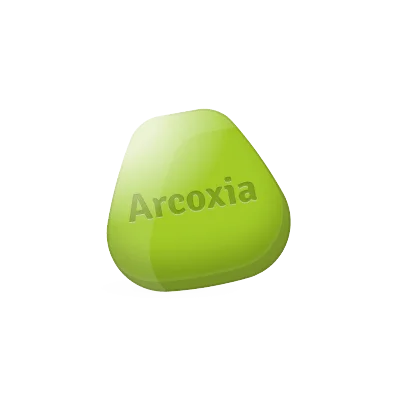
Arcoxia is a prescription anti-inflammatory medicine for adults with inflammatory and painful joint conditions. It is used for osteoarthritis, rheumatoid arthritis, ankylosing spondylitis, acute gout, and selected short-term pain. Its active ingredient, etoricoxib, selectively reduces COX-2-related prostaglandin production to ease pain, swelling, and stiffness.
Arcoxia belongs to the non-steroidal anti-inflammatory drug (NSAID) class. Etoricoxib is the active substance responsible for its analgesic and anti-inflammatory action. European product information describes its use for osteoarthritis, rheumatoid arthritis, ankylosing spondylitis, acute gouty arthritis, and short-term dental surgery pain [1].
Arcoxia belongs to the non-steroidal anti-inflammatory drug (NSAID) class. Its active substance is etoricoxib, which provides analgesic and anti-inflammatory action by selectively reducing COX-2-related prostaglandin production.
The prescribed dose depends on the condition:
The lowest effective dose should be used for the shortest clinically appropriate duration. Higher doses are associated with greater cardiovascular and blood-pressure-related concern.
Arcoxia tablets are taken orally with water. They may be taken with or without food, although food can delay the onset of action. Taking the tablet at the same time each day can make missed doses less likely.
If a dose is missed, take it when remembered unless the next scheduled dose is close. Do not double the next dose. A missed dose should not be “replaced” with an additional tablet later in the day.
Swallow the tablet whole. Do not crush or chew it unless a pharmacist or prescriber has given a specific alternative instruction.
Etoricoxib selectively inhibits cyclooxygenase-2, also called COX-2. This enzyme contributes to the production of prostaglandins involved in pain, swelling, and inflammation. Lower prostaglandin production reduces the sensitivity of pain pathways and dampens inflammatory activity in joint tissues.
COX-1 has different physiological roles. It helps support gastric mucosal protection, platelet function, and kidney blood flow. Traditional non-selective NSAIDs inhibit both COX-1 and COX-2, while etoricoxib is designed to exert greater selectivity for COX-2.
This selectivity may reduce some stomach irritation associated with non-selective NSAIDs, but it does not remove gastrointestinal, kidney, or cardiovascular risk. COX-2 inhibition can promote sodium and fluid retention, raise blood pressure, and affect vascular balance in susceptible patients.
Arcoxia is used in adults with osteoarthritis, rheumatoid arthritis, ankylosing spondylitis, acute gout, and selected short-term pain conditions. By reducing inflammatory prostaglandins, it can ease joint pain, swelling, and stiffness while allowing once-daily administration in many treatment plans.
Osteoarthritis involves progressive changes in joint cartilage and surrounding tissues. Pain often worsens with movement, while stiffness may be most noticeable after rest. Arcoxia reduces inflammatory signalling around the affected joint, which can improve mobility and everyday comfort.
Rheumatoid arthritis is an autoimmune inflammatory disease. The immune system attacks joint structures, producing swelling, warmth, pain, and prolonged morning stiffness. Etoricoxib may reduce symptoms, but it does not replace disease-modifying treatment such as conventional DMARD therapy.
Ankylosing spondylitis affects the spine and sacroiliac joints. Anti-inflammatory treatment can reduce spinal pain and stiffness, especially when symptoms interfere with sleep or movement. Acute gout involves sudden inflammation caused by urate crystal deposition, often in the big toe or another peripheral joint.
Arcoxia does not cure the underlying cause of arthritis or gout. It controls inflammatory symptoms while the underlying condition receives appropriate long-term management.
Arcoxia can be compared with anti-inflammatory options by mechanism rather than by brand positioning. Celecoxib is another selective COX-2 inhibitor. Ibuprofen, naproxen, and diclofenac are traditional NSAIDs with broader COX inhibition.
| Treatment category | Pharmacological profile | Typical clinical consideration |
|---|---|---|
| Etoricoxib | Selective COX-2 inhibition; commonly once daily | Joint inflammation with attention to blood pressure and cardiovascular risk |
| Celecoxib | Selective COX-2 inhibition | Similar gastrointestinal rationale, with its own cardiovascular and interaction profile |
| Ibuprofen, naproxen, or diclofenac | Non-selective NSAID activity | Choice depends on gastrointestinal, kidney, cardiovascular, and duration-related risks |
Naproxen is often considered when cardiovascular risk is a major factor, although it still carries gastrointestinal and kidney risks. Ibuprofen may be used for shorter-term pain in suitable patients, while diclofenac requires careful cardiovascular assessment. Celecoxib and etoricoxib share COX-2 selectivity but are not interchangeable at the same milligram strength.
The choice is diagnosis-specific. Osteoarthritis may require a different plan from acute gout, and inflammatory arthritis often needs disease-modifying therapy alongside symptom control. NICE guidance places medication choice within an assessment of comorbidities, gastrointestinal risk, cardiovascular risk, and renal function [2].
Arcoxia is not suitable for everyone. The following situations require avoidance or specialist assessment:
Etoricoxib may reduce the blood-pressure-lowering effect of valsartan, losartan, ACE inhibitors, and some diuretics. The combination can also increase kidney strain, especially during dehydration or in people with reduced renal reserve.
Aspirin deserves separate consideration. Low-dose aspirin may be prescribed for cardiovascular protection, but combining it with Arcoxia can increase gastrointestinal complications. Arcoxia must not be used as a substitute for aspirin’s antiplatelet purpose.
Warfarin and other anticoagulants may require closer monitoring because NSAID-related bleeding risk can rise. Lithium, methotrexate, ciclosporin, tacrolimus, and certain oral contraceptive medicines may also require medication-specific review.
People taking valsartan or losartan may need blood-pressure and kidney-function monitoring after an NSAID is introduced. This is more relevant when a diuretic is also present, a combination sometimes called the “triple whammy” because kidney injury risk can increase.
The combination of aspirin and Arcoxia may be clinically justified in selected cardiovascular patients, but it should not be treated as automatically harmless. Additional NSAIDs, corticosteroids, alcohol excess, and a previous ulcer can further increase bleeding risk.
Do not stop prescribed cardiovascular medicines independently to make room for an anti-inflammatory. The safer approach is to review the complete regimen and select the lowest suitable anti-inflammatory exposure.
Not for you if: you have a listed contraindication, uncontrolled blood pressure, significant cardiovascular disease, severe kidney or liver impairment, or a history of serious NSAID reactions.
The most frequently reported reactions include high blood pressure, stomach pain, indigestion, nausea, headache, dizziness, ankle swelling, and fatigue. The likelihood varies with dose, duration, age, kidney function, cardiovascular health, and concurrent treatment.
| Frequency or concern | Possible reactions | Practical significance |
|---|---|---|
| Common | Headache, dizziness, nausea, indigestion, stomach pain | Monitor persistence and impact on daily activity |
| Clinically relevant | Raised blood pressure, ankle swelling, fluid retention | Blood-pressure checks are useful during treatment |
| Serious | Chest pain, severe allergic reaction, gastrointestinal bleeding, liver injury | Requires urgent medical assessment |
A mild headache or short-lived nausea may settle as the body adjusts. Persistent stomach pain deserves attention, especially when accompanied by black stools, vomiting blood, weakness, or fainting. Dizziness can increase the risk of falls, so driving and operating machinery require caution until the individual response is clear. Mild symptoms can still affect adherence. Report symptoms that persist or worsen.
Cardiovascular monitoring deserves special attention. COX-2 inhibitors can increase blood pressure and fluid retention, and higher doses may carry greater cardiovascular concern. People with heart failure, previous heart attack, stroke, peripheral arterial disease, or uncontrolled hypertension require careful risk assessment before treatment.
Kidney effects are also possible. Reduced kidney function, dehydration, older age, heart failure, and simultaneous treatment with a diuretic or renin-angiotensin system blocker increase susceptibility.
Several errors reduce benefit or increase risk:
Alcohol can worsen dizziness and may increase gastrointestinal risk when combined with NSAID treatment. Sedation is not the typical effect of Arcoxia, yet dizziness can still make driving unsafe for some people.
A urine test or routine blood test cannot confirm that pain treatment is working. Clinical response, blood pressure, kidney function, swelling, and adverse symptoms are more useful measures.
In clinical practice, doctors usually judge Arcoxia by symptom improvement and tolerability rather than by pain relief alone. A treatment that reduces joint pain but causes persistent hypertension, oedema, or stomach symptoms may not be a good long-term choice.
Rheumatology guidance supports combining symptom control with treatment aimed at the underlying disease. For rheumatoid arthritis, NSAIDs can support mobility and comfort while DMARD therapy addresses inflammatory disease activity [3].
A prescriber will usually consider:
One clinical pattern is worth recognising: pain often improves before swelling and stiffness fully settle. Patients may increase activity too quickly when pain eases, which can aggravate the joint even though the medicine is working.
Yes. Arcoxia contains etoricoxib, a selective COX-2 inhibitor within the NSAID class. The EMA's 2025 product information describes its anti-inflammatory, analgesic, and antipyretic pharmacology. Its COX-2 selectivity does not remove the need to consider blood pressure, kidney function, heart disease, and gastrointestinal bleeding.
Some people experience pain relief within several hours, while inflammation-related stiffness may take longer to improve. The response depends on the condition, dose, severity, and individual pharmacokinetics. Clinical guidance from NICE in 2022 supports reviewing both symptom benefit and treatment risks when anti-inflammatory therapy is used .
Yes, Arcoxia can generally be taken with or without food. Food may delay the onset of action, so some patients notice a slower beginning of relief after a meal. The EMA's 2025 product information describes oral administration without requiring food for absorption.
Controlled hypertension does not automatically exclude treatment, but blood pressure should be assessed before and during use. Etoricoxib can raise blood pressure or cause fluid retention, with greater concern at higher doses. WHO's 2023 hypertension guideline supports reviewing blood pressure and kidney status when medicines can affect fluid balance [4].
Some patients are prescribed low-dose aspirin and etoricoxib together, but the combination can increase gastrointestinal complications. Aspirin should not be stopped or changed without a specific clinical instruction. The EMA's 2025 safety information identifies gastrointestinal and cardiovascular considerations that require individual assessment.
Yes. Etoricoxib can reduce pain and stiffness associated with rheumatoid arthritis, but it does not control the underlying autoimmune process. NICE's 2018 rheumatoid arthritis guidance supports disease-modifying treatment as the foundation of care, with NSAIDs used for symptom relief when appropriate.
Etoricoxib can reduce kidney perfusion in susceptible people, especially during dehydration, kidney disease, heart failure, or combined treatment with a diuretic and renin-angiotensin system blocker. Reduced urine output, sudden swelling, unusual fatigue, or rapid weight gain require prompt assessment. A 2004 PubMed-indexed review of etoricoxib describes renal risk as strongly influenced by patient factors and interacting medicines [5].
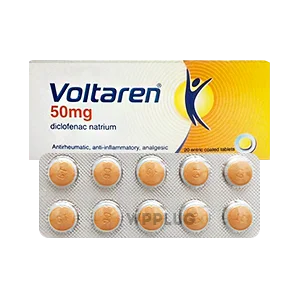
Your order will be securely packed and shipped within 24 hours. This is exactly what your package will look like (images of an actual item sent). It has the size and look of a regular private letter (24x11x0.7 cm) and its contents cannot be seen.
After about ten days, climbing stairs was easier and the morning stiffness was shorter. I still needed pacing and physiotherapy, and the medicine did not remove every ache.
The first week was useful for movement, but my ankles became puffy by the end of the second week. My treatment was reviewed after my blood pressure also increased.
Pain reduced noticeably within the first day. I made the mistake of returning to normal activity too quickly, so the joint remained tender for several days.
I felt dizzy after the first few tablets, especially when standing up quickly. The symptom improved after the medicine was changed, but the initial reaction made driving uncomfortable.