
Verified
The first ten days brought dry mouth and lighter sleep. By the fifth week, I was starting tasks more easily and had more interest in routine activities. The improvement was gradual rather than dramatic.
06 Nov 2026
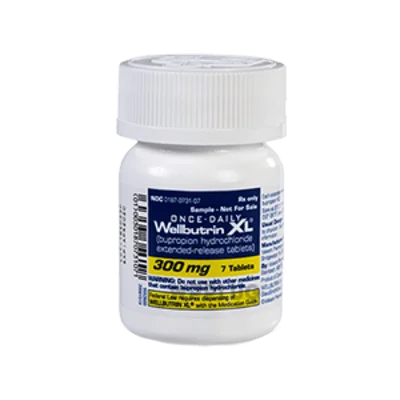
Wellbutrin is a prescription medicine for adults with major depressive disorder. Its active ingredient, bupropion hydrochloride, supports norepinephrine and dopamine activity through an atypical antidepressant mechanism.
Wellbutrin is a prescription atypical antidepressant containing bupropion hydrochloride. It is used mainly for major depressive disorder, while its extended-release action supports steady norepinephrine and dopamine activity in the brain.
Bupropion is prescribed primarily for major depressive disorder. Its clinical profile may suit adults whose depression includes low energy, reduced motivation, poor concentration, or concerns about sexual adverse effects associated with serotonergic antidepressants. FDA prescribing information identifies bupropion hydrochloride extended-release tablets as an antidepressant treatment for major depressive disorder [1].
The extended-release tablet is designed to release bupropion gradually. It must be swallowed whole.
Wellbutrin XL is an extended-release tablet for oral administration. The dose is stated on the pack — follow the leaflet. It should be used only within the dosing plan selected by the prescriber.
Key administration principles include:
Antidepressant response often develops over several weeks. Early activation, dry mouth, or reduced appetite can appear before mood benefits. A prescriber may adjust the schedule, strength, or treatment duration according to response and adverse effects.
Patients with liver disease, kidney impairment, older age, or factors that lower the seizure threshold may require a different dose or slower adjustment. Alcohol intake, sedative withdrawal, and abrupt changes in medicines can also alter seizure risk.
Bupropion acts mainly as a norepinephrine-dopamine reuptake inhibitor, commonly abbreviated as NDRI. It reduces the reuptake of norepinephrine and dopamine, allowing these neurotransmitters to remain active between nerve cells for longer.
Norepinephrine contributes to alertness, attention, and mental energy. Dopamine contributes to motivation, reward processing, and concentration. Changes in these pathways may explain why Wellbutrin can feel more activating than an SSRI for some patients.
Wellbutrin does not work by directly increasing serotonin activity in the same way as medicines such as fluoxetine or sertraline. This difference may mean fewer sexual side effects or less weight gain for some patients, although insomnia, anxiety, dry mouth, and appetite reduction can be more noticeable.
The WHO describes depression as a condition requiring an individualised assessment of symptoms, severity, and safety risks [2].
Wellbutrin is primarily used for major depressive disorder in adults. Treatment aims to reduce persistent low mood, loss of interest, low motivation, impaired concentration, and associated functional difficulties.
Seasonal affective disorder has been an approved indication for certain bupropion extended-release products in some regulatory systems. Approval depends on the formulation and jurisdiction, so an indication for one bupropion product should not automatically be applied to every Wellbutrin presentation.
Smoking cessation and depression treatment require different counselling. Bupropion may reduce nicotine cravings and withdrawal symptoms, but it does not remove the need for a cessation plan, trigger management, and monitoring for mood changes.
Wellbutrin is not a general treatment for anxiety. Some patients feel less anxious as depression improves, while others experience increased nervousness or restlessness during treatment. The MHRA describes bupropion medicines through product-specific indications and risk information rather than treating all formulations as interchangeable [3].
Wellbutrin differs from antidepressants that increase serotonin or serotonin plus norepinephrine. The choice depends on symptoms, past response, coexisting conditions, interactions, and tolerability.
| Treatment approach | Main pharmacology | Common clinical trade-off |
|---|---|---|
| Wellbutrin | Norepinephrine-dopamine reuptake inhibition | Less serotonergic sexual dysfunction for some patients, with more activation in others |
| SSRIs such as Lexapro, Prozac, and Zoloft | Selective serotonin reuptake inhibition | Often useful for depression and anxiety, with possible sexual dysfunction or gastrointestinal effects |
| SNRI such as Cymbalta | Serotonin and norepinephrine reuptake inhibition | May help depression with pain symptoms, but can affect blood pressure, nausea, or sexual function |
Lexapro contains escitalopram. Prozac contains fluoxetine. Zoloft contains sertraline. Cymbalta contains duloxetine. These medicines have different half-lives, interaction profiles, and withdrawal patterns.
Wellbutrin may be considered when low energy, reduced motivation, or SSRI-related sexual dysfunction is prominent. An SSRI may be preferred when anxiety, panic symptoms, obsessive symptoms, or trauma-related symptoms dominate. An SNRI may be considered when depression occurs with certain chronic pain syndromes.
No antidepressant is best for every patient. A prior response is often more useful than a general ranking.
Wellbutrin is not suitable for everyone. This medication is not for you if you have any of the following:
The seizure risk may also rise with severe head injury, brain tumour, central nervous system infection, uncontrolled diabetes, substantial electrolyte disturbance, or medicines that lower the seizure threshold. Examples include some antipsychotics, systemic corticosteroids, stimulant medicines, and certain antidepressants.
Bupropion is a strong inhibitor of CYP2D6, a liver enzyme involved in the metabolism of several medicines. It can raise exposure to some beta-blockers, antiarrhythmics, and antidepressants. The clinical team should also know about tamoxifen because reduced conversion to its active metabolite may reduce treatment benefit.
Alcohol can worsen dizziness, agitation, sleep disruption, and seizure risk. Heavy drinking followed by sudden cessation is an additional concern.
People with bipolar disorder require screening for past mania or hypomania.
Talk to a clinician before using Wellbutrin if you have ever had a seizure, an eating disorder, a serious reaction to bupropion, or problems that can make seizures more likely. Do not use it together with another bupropion medicine or an MAOI, and seek medical advice before starting it if you are stopping alcohol, benzodiazepines, barbiturates, or other sedatives. People with bipolar symptoms, significant medical conditions, or complex medication lists need an individual safety assessment.
Common adverse effects associated with bupropion include dry mouth, headache, nausea, constipation, reduced appetite, insomnia, agitation, tremor, sweating, and tinnitus. Some people lose weight, while others experience no meaningful change in weight.
Insomnia is often linked to dose timing. Moving the dose earlier may help, but persistent sleep disturbance can require a clinical review. Caffeine can intensify jitteriness or palpitations during the first weeks.
Sexual dysfunction and weight gain may occur less often with bupropion than with several SSRIs, which is one reason clinicians may consider it for patients who experienced those problems previously. The trade-off is that bupropion can feel activating and may worsen anxiety, restlessness, or irritability in some people.
Clinical trial data and product information identify seizure as a rare but serious adverse effect. The risk rises with higher doses and with conditions or medicines that lower the seizure threshold. Seek urgent medical attention for a seizure, severe confusion, hallucinations, facial swelling, or difficulty breathing.
A patient taking bupropion may also receive a false-positive amphetamine result on some urine drug screens. The test should be interpreted with the laboratory and prescribing team rather than treated as proof of amphetamine use.
The FDA medication guide warns about antidepressant-associated suicidal thoughts and behavioural changes in younger patients, especially during treatment initiation or dose changes [4].
The mistakes below can reduce benefit or increase risk:
Another is the tablet timing. A morning dose may be tolerated well, while the same dose taken in the evening can produce a night of poor sleep.
In clinical practice, prescribers often describe Wellbutrin as an activating antidepressant rather than a sedating one. That can be useful for low drive and fatigue, yet uncomfortable for patients who already have insomnia, panic symptoms, or marked agitation.
Doctors usually judge response across several domains: mood, interest, motivation, concentration, sleep, appetite, anxiety, and daily functioning. A patient may report better concentration without full mood recovery, or improved mood with troublesome insomnia. The treatment plan should respond to that pattern rather than relying on a single symptom. Follow-up also considers changes in functioning and day-to-day safety. Documenting these changes helps the prescriber judge whether benefits outweigh adverse effects.
Consistency matters because irregular dosing can produce uneven stimulation and make adverse effects harder to interpret. Clinicians also review caffeine, alcohol, recreational substances, seizure history, eating patterns, and every prescribed medicine before increasing the dose.
A practical prescribing point is that the first few days are not a reliable measure of antidepressant benefit. Early restlessness can settle, while meaningful improvement may require several weeks of regular treatment.
Mood improvement commonly develops over several weeks of regular treatment, while sleep, energy, or concentration may change earlier. FDA antidepressant guidance reviewed in 2025 continues to emphasise monitoring during initiation and dose changes. A lack of early mood improvement does not automatically mean treatment failure, but marked agitation or suicidal thinking requires prompt assessment.
Wellbutrin is not primarily an anxiety medicine. Some patients feel less anxious when depression improves, while others develop increased nervousness, tremor, or insomnia. NICE guidance available through 2025 supports matching treatment to the dominant clinical condition rather than selecting an antidepressant solely by its energising effect.
A clinician may combine bupropion with an SSRI in selected treatment-resistant cases or to address specific adverse effects. The combination can increase the burden of insomnia, agitation, seizures, or other interactions, depending on the medicines involved. SAHPRA's 2025 safety principles require attention to the full medicine list, including non-prescription products, before combination treatment.
Bupropion is less associated with weight gain than several serotonergic antidepressants and may reduce appetite in some patients. Weight loss, nausea, or altered eating patterns can still become clinically significant. WHO mental-health guidance published before 2026 supports monitoring physical health alongside mood symptoms during antidepressant treatment.
Bupropion is used for smoking cessation in specific formulations and treatment plans, including the product name Zyban in approved settings. Wellbutrin XL for depression should not be combined with another bupropion product to pursue smoking cessation. MHRA product information published in 2024 distinguishes indication and dosing according to the authorised formulation.
A missed dose should not be replaced by taking two tablets together. If the next scheduled dose is near, the missed dose is generally skipped, because closely spaced doses increase adverse-effect risk. FDA medication guidance current to 2025 advises avoiding dose doubling with extended-release bupropion.
Your order will be securely packed and shipped within 24 hours. This is exactly what your package will look like (images of an actual item sent). It has the size and look of a regular private letter (24x11x0.7 cm) and its contents cannot be seen.




The first ten days brought dry mouth and lighter sleep. By the fifth week, I was starting tasks more easily and had more interest in routine activities. The improvement was gradual rather than dramatic.
My energy increased quickly, but I also felt tense and drank too much coffee. Moving the dose earlier and reducing caffeine helped, although the medicine was not comfortable at first.
I had used an SSRI before and disliked the sexual side effects. Wellbutrin caused some headaches during the first week, but that problem faded and libido was less affected.
My appetite fell and tinnitus became more noticeable. Mood had not improved enough to justify continuing without a review, so the prescriber changed the plan.