
Verified
The first few nights left me heavy-headed, so I moved the dose earlier. My nerve pain became easier to sleep through by the fourth week, although dry mouth continued.
27 Oct 2026
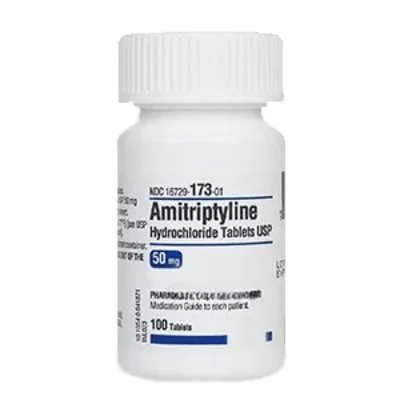
Amitriptyline is a tricyclic antidepressant for people with depression, neuropathic pain, migraine, or sleep disruption related to these conditions. It works by increasing serotonin and norepinephrine activity and can also reduce abnormal pain signalling.
Amitriptyline is a tricyclic antidepressant used for major depressive disorder and several chronic pain conditions. It may also support migraine prevention and sleep when pain or depression disrupts rest. The medicine increases serotonin and norepinephrine activity, while its sedating and analgesic effects can benefit selected patients.
Amitriptyline Hydrochloride Tablets USP contain amitriptyline hydrochloride. The pack states the strength as 50 mg and contains 100 tablets.
For depression, adult treatment commonly begins with a divided daily dose or a low evening dose, followed by gradual increases. Specialist prescribing information may permit higher daily doses in selected adults, while outpatient treatment often uses lower amounts. Pain and migraine prevention commonly begin with a low dose at night, with slow increases when needed; the dose is stated on the pack — follow the leaflet and prescriber’s instructions [3].
Amitriptyline can cause postural hypotension during dose increases. Rise slowly from bed or a chair, especially during the first week. If fainting, repeated falls, or severe palpitations occur, urgent medical assessment is needed.
Amitriptyline has a long effective duration, so taking extra tablets to compensate for a missed dose can produce excessive sedation, confusion, low blood pressure, or heart rhythm problems. Suspected overdose requires emergency care, even if symptoms initially seem mild.
Amitriptyline is a tertiary-amine tricyclic antidepressant. It inhibits the reuptake of serotonin and norepinephrine at nerve endings, increasing their presence in the synaptic space. These neurotransmitters influence mood, attention, emotional processing, and the way the spinal cord and brain interpret pain signals [2].
The transporter blockade begins after absorption, but symptom improvement takes longer. The brain needs time to adapt to altered signalling, and the clinical response depends on dose, metabolism, sleep, the underlying condition, and treatment consistency.
Amitriptyline also blocks histamine H1 receptors, muscarinic acetylcholine receptors, and alpha-1 adrenergic receptors. Those actions explain several practical effects:
The liver converts Amitriptyline into nortriptyline, an active metabolite with a stronger noradrenergic profile. Both substances contribute to treatment effects and adverse reactions. Therapeutic drug monitoring may measure the parent drug and metabolite when response is poor, side effects are pronounced, adherence is uncertain, or drug metabolism is a concern.
Amitriptyline is prescribed for major depressive disorder and is also widely used at lower doses for neuropathic pain. Clinicians may select it for diabetic nerve pain, post-herpetic neuralgia, fibromyalgia-related pain, tension-type headache prevention, or migraine prevention. Its use for pain, migraine, and sleep maintenance insomnia is often outside the original antidepressant indication, yet these applications are established in clinical practice and treatment guidance [1].
Amitriptyline may be suitable when pain, poor sleep, and low mood occur together. Its sedating effect can be useful at night, though morning drowsiness can limit treatment.
For depression, Amitriptyline is usually started cautiously and increased gradually. Selective serotonin reuptake inhibitors are often chosen first because they generally cause less sedation, postural dizziness, and anticholinergic burden. Amitriptyline remains a valuable option when earlier antidepressants have not provided adequate relief, when chronic pain is prominent, or when a clinician needs a medicine with a stronger night-time sedative effect.
Mood improvement is not immediate.
Sleep and anxiety may change during the first one to two weeks, while depressive symptoms often require several weeks of regular treatment. A person should not stop treatment abruptly after improvement because withdrawal symptoms may include irritability, sweating, nausea, vivid dreams, and disturbed sleep.
Pain treatment generally uses lower doses than depression treatment. Neuropathic pain may improve gradually, with benefit assessed over several weeks rather than after one tablet. Amitriptyline can reduce abnormal pain signalling, but it does not repair damaged nerves or remove the underlying cause of pain.
Migraine prevention also requires regular evening dosing. The goal is fewer or less severe attacks, not immediate relief during an acute migraine. Sleep maintenance insomnia may improve when pain or low mood is driving repeated night-time waking, but Amitriptyline is not appropriate for every sleep disorder.
Amitriptyline belongs to the tricyclic antidepressant class. Its profile differs from secondary-amine tricyclics and from newer antidepressants. The most useful choice depends on whether depression, nerve pain, insomnia, anxiety, cardiovascular risk, or anticholinergic sensitivity is the main clinical concern.
| Medicine or class | Typical clinical distinction |
|---|---|
| Amitriptyline | Strong serotonin and norepinephrine reuptake inhibition; more sedating and anticholinergic; useful in selected depression and neuropathic pain cases |
| Nortriptyline or desipramine | Secondary-amine tricyclics with less antihistaminergic and anticholinergic activity for some patients |
| SSRI or SNRI | Often preferred for depression because of tolerability; some SNRIs also treat neuropathic pain |
Nortriptyline is the principal active metabolite of Amitriptyline. Imipramine, clomipramine, and doxepin are other tricyclic antidepressants with different balances of sedation, anticholinergic effects, and clinical uses. Secondary amines such as nortriptyline and desipramine may cause less sedation for some patients, although they still carry cardiac and overdose risks.
SSRIs act mainly through serotonin transporters. SNRIs increase serotonin and norepinephrine activity, with venlafaxine and duloxetine often considered when mood and pain symptoms overlap. Amitriptyline may be selected when night-time sedation and analgesia are useful, but its heavier side-effect burden makes careful dose selection necessary.
Monoamine oxidase inhibitors must not be combined with Amitriptyline. Tranylcypromine, phenelzine, and selegiline are examples of MAOIs. A minimum 14-day washout is generally required between an MAOI and Amitriptyline, with longer or specialist-directed intervals in some switching situations.
It may not be for you if you have heart rhythm or conduction problems, untreated narrow-angle glaucoma, urinary retention, severe liver disease, or a history of a serious reaction to tricyclic antidepressants. You should also seek medical review before taking it if you are using an MAOI, are pregnant or breastfeeding, have a high suicide risk, or are older and prone to falls, confusion, constipation, or delirium.
Amitriptyline’s adverse effects arise from anticholinergic, antihistaminergic, and alpha-adrenergic receptor blockade. Dry mouth, constipation, drowsiness, dizziness, blurred vision, increased appetite, and weight gain are common practical complaints. Effects often become more noticeable after a dose increase and may lessen as the body adapts [4].
Dry mouth can increase thirst, dental decay, and difficulty swallowing dry food. Frequent water rinses, sugar-free gum, and regular dental care may help. Constipation responds better to adequate fluid intake, dietary fibre, and movement than to repeatedly adding over-the-counter laxatives without reviewing the medicine plan.
Morning sedation may improve when the dose is taken earlier in the evening. Alcohol can intensify drowsiness and impaired coordination. Blurred vision is usually transient, but painful red eyes or sudden loss of vision require urgent assessment because Amitriptyline can precipitate angle-closure glaucoma in susceptible people.
Weight gain may result from increased appetite, sedation, reduced activity, or metabolic changes. A simple record of weight, appetite, sleep, and activity can show whether the problem began after a dose change.
Amitriptyline can slow cardiac conduction and prolong repolarisation. People with heart disease, fainting, unexplained palpitations, electrolyte abnormalities, or a family history of sudden cardiac death may require an electrocardiogram before treatment. Confusion, severe weakness, seizures, irregular heartbeat, or loss of consciousness are emergency symptoms.
Several avoidable errors reduce benefit or increase risk:
Amitriptyline overdose can cause coma, seizures, severe hypotension, widened QRS complexes, and life-threatening arrhythmias. Do not wait for symptoms to worsen after a suspected overdose.
In clinical practice, doctors often describe Amitriptyline as a medicine whose benefits depend on choosing the right patient and starting conservatively. A low dose can help neuropathic pain or sleep disturbance, while depression usually requires a different dosing strategy and a longer assessment period.
Prescribers also watch the first two weeks closely. Drowsiness, dizziness, dry mouth, and constipation may appear before pain or mood improvement. If the patient remains severely sedated, increasing the dose is unlikely to solve the problem; changing the timing or selecting another treatment may be more appropriate.
The World Health Organization includes tricyclic antidepressants among treatment options for depressive disorders, while modern practice often gives SSRIs or SNRIs an earlier place because they are easier to tolerate. Amitriptyline retains a clear role when pain and sleep symptoms influence the treatment decision.
Sleepiness may appear after the first doses, while pain relief often develops over two to four weeks. Mood symptoms may require several weeks of regular treatment before a clear response is judged. NICE guidance published in 2020 supports planned review and gradual treatment adjustment for neuropathic pain. Amitriptyline should not be increased independently because early sedation does not prove that a higher dose will improve the underlying condition. A clinician can review progress after several weeks and adjust treatment according to pain, sleep, mood, and adverse effects.
Amitriptyline is used for several neuropathic pain conditions, including painful diabetic neuropathy and post-herpetic neuralgia. The American Academy of Neurology’s 2021 guidance and international pain guidance recognise tricyclic antidepressants as an option when patient factors support their use. Pain doses are usually lower than depression doses, and treatment is assessed by function, sleep, pain intensity, and adverse effects. A partial response may still be clinically useful if walking or sleeping becomes easier.
Older adults have a higher risk of confusion, falls, constipation, urinary retention, and low blood pressure with tertiary tricyclic antidepressants. The 2023 American Geriatrics Society Beers Criteria advises avoiding these medicines in many older people unless safer options are unsuitable and monitoring is strong. A prescriber may consider an electrocardiogram, a lower starting dose, and a slower increase. New confusion, a fall, or inability to pass urine needs prompt medical attention.
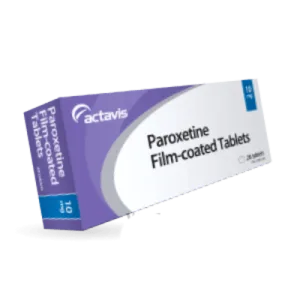
Combining Amitriptyline with an SSRI or SNRI can increase serotonin toxicity, sedation, and drug concentrations. The 2023 FDA-approved prescribing information requires careful attention to serotonergic combinations and medicines that inhibit Amitriptyline metabolism. Fluoxetine and paroxetine can raise Amitriptyline exposure, while venlafaxine and duloxetine add serotonergic effects. Combination treatment should follow a deliberate prescribing plan rather than self-directed switching.
Amitriptyline is not an opioid or benzodiazepine and does not produce the same pattern of compulsive reinforcement. Regular use can still lead to discontinuation symptoms if treatment is stopped suddenly, especially after prolonged therapy. WHO’s 2015 mental-health guidance supports gradual dose reduction when an antidepressant is withdrawn. Nausea, sleep disturbance, irritability, sweating, and headache can occur during abrupt discontinuation.
Pregnancy and breastfeeding decisions depend on the dose, timing, maternal condition, and available alternatives. The UK Teratology Information Service’s 2024 guidance and EMA pharmacovigilance information describe the need for an individual benefit-risk assessment rather than automatic continuation or automatic cessation. Newborns exposed late in pregnancy may require observation for withdrawal or adaptation symptoms. Breastfeeding plans should account for infant age, feeding, sedation, and the prescribed dose.
Take the missed tablet when remembered unless the next scheduled dose is near. Skipping the missed dose is safer than doubling because Amitriptyline can accumulate and cause prolonged sedation or cardiac toxicity. The 2023 FDA prescribing information supports avoiding extra doses after a missed tablet. Repeated missed doses should prompt a review of timing, routine, side effects, or the treatment plan.
Your order will be securely packed and shipped within 24 hours. This is exactly what your package will look like (images of an actual item sent). It has the size and look of a regular private letter (24x11x0.7 cm) and its contents cannot be seen.



The first few nights left me heavy-headed, so I moved the dose earlier. My nerve pain became easier to sleep through by the fourth week, although dry mouth continued.
Mood improved slowly rather than suddenly. Constipation became annoying after the dose increase, and more fibre helped only partly. The prescriber reduced the dose and the problem eased.
Sleep was deeper, but I felt unsteady when standing in the morning. I stopped driving early and reported it, which led to a slower titration plan.
Pain reduction was modest, and I gained weight because my appetite increased. The tablets were not a good long-term fit for me, even though they helped me fall asleep.