
Verified
The burning in my feet became less intrusive at night. I still had pain after long walks, but sleep improved. The first few days brought dizziness, so I avoided driving until it settled.
17 Oct 2026
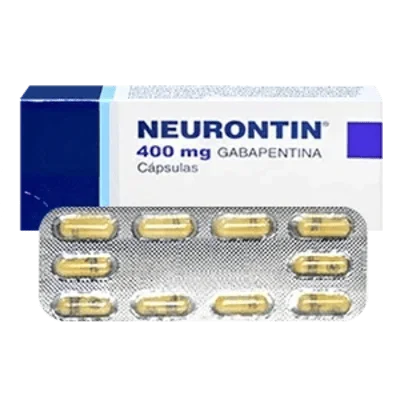
Neurontin is a prescription medicine containing gabapentin. It is intended for people with selected neuropathic pain conditions or partial seizures. Gabapentin helps reduce excessive nerve signalling in the central nervous system.
Neurontin is a prescription medicine containing gabapentin, an anticonvulsant and neuromodulator. It is used for certain neuropathic pain conditions and as add-on treatment for partial seizures.
Neurontin contains gabapentin as its active pharmaceutical ingredient. The product is supplied as capsules, with the dose stated on the pack — follow the leaflet, and belongs to the anticonvulsant class. In neurology treatments, gabapentin is also described as a neuromodulator because it changes abnormal nerve signalling rather than acting as a conventional painkiller.
Gabapentin is used in conditions involving excessive neuronal excitability. These include selected neuropathic pain syndromes and partial-onset seizures. The prescribing information for Neurontin describes gabapentin’s pharmacological properties, dosage adjustments, and safety warnings in detail [1].
The active ingredient is gabapentin. The dose is stated on the pack — follow the leaflet. Gabapentin is structurally related to gamma-aminobutyric acid, commonly called GABA, but its clinical action does not come from directly stimulating GABA receptors.
Gabapentin is absorbed through the gastrointestinal tract and eliminated mainly by the kidneys. Kidney function therefore affects the dose and dosing interval.
Neurontin is classified as:
The word “neuromodulator” means that gabapentin changes the way nerve cells communicate. It does not numb the entire body and does not work like an opioid analgesic.
Neurontin capsules are taken by mouth. The prescriber determines the dose and frequency according to the condition being treated, kidney function, age, response, and concurrent medicines. The dose is stated on the pack — follow the leaflet.
The dose stated on the pack is one prescribed dose unit. It is not automatically the correct starting dose for every patient. People with reduced kidney function may require a lower total daily dose or a longer interval between doses [4].
One practical detail is easy to miss: dizziness can appear before pain relief becomes noticeable. Driving, cycling, working at height, and operating machinery require extra caution during initiation and dose changes.
Food does not usually determine whether gabapentin works, but taking it at consistent times can make the response easier to assess. Antacids containing aluminium or magnesium may reduce gabapentin absorption when taken too close together; separate them by at least two hours.
Gabapentin binds to the alpha-2-delta subunit of voltage-gated calcium channels in the brain and spinal cord. This reduces calcium entry into certain nerve endings and limits the release of excitatory neurotransmitters.
The result is less excessive nerve communication. That action helps explain its effects in neuropathic pain and partial seizures.
Despite its name and chemical relationship to GABA, gabapentin is neither a direct GABA agonist nor a GABA antagonist. It does not produce its main clinical effects by activating or blocking ordinary GABA receptors.
This distinction matters. GABA is an inhibitory neurotransmitter, while excitatory neurotransmitters participate in excessive neuronal firing and epileptogenesis. Gabapentin acts mainly through calcium-channel modulation rather than direct GABA receptor stimulation [3].
Gabapentin is different from opioid pain medicines because it does not primarily activate opioid receptors. It is also different from antidepressant medicines used for nerve pain, such as serotonin-noradrenaline reuptake inhibitors, which alter monoamine signalling.
Neurontin is prescribed for neuropathic pain and as adjunctive therapy for partial seizures. Neuropathic pain develops when damaged or diseased nerves send abnormal pain signals. People may describe burning, electric-shock sensations, pins and needles, stabbing discomfort, or pain from light touch.
Clinical indications recognised in regulatory information include postherpetic neuralgia and adjunctive treatment of partial-onset seizures. Gabapentin is also used in clinical practice for other neuropathic pain states, including painful diabetic neuropathy, when a prescriber considers it appropriate [2].
| Clinical use | Neurological problem | Treatment role |
|---|---|---|
| Neuropathic pain | Damaged or hypersensitive nerves | Reduces abnormal pain signalling |
| Postherpetic neuralgia | Persistent nerve pain after shingles | Helps reduce burning, shooting, or touch-sensitive pain |
| Partial seizures | Abnormal electrical activity beginning in one brain region | Add-on anticonvulsant treatment |
Nerve pain differs from ordinary pain caused by a cut, sprain, or inflammation. The nerve itself becomes injured, irritated, or unusually sensitive. Signals may continue after the original tissue damage has healed.
Neurontin can reduce the intensity of these signals. Pain relief is often gradual, and the most useful outcome may be better sleep, improved walking tolerance, or less discomfort from clothing and touch rather than complete elimination of pain.
Diabetic neuropathy can involve the feet, lower legs, hands, or other areas. Blood-glucose control remains important because gabapentin does not repair the underlying nerve damage.
Postherpetic neuralgia can continue after the skin rash of shingles has resolved. The pain may feel deep, burning, sharp, or unusually sensitive to light contact.
For epilepsy, gabapentin is used as add-on therapy for partial seizures. It is not a universal treatment for every seizure type. A prescriber selects anticonvulsant therapy according to the seizure pattern, other medicines, and individual risk factors.
Treatment choice depends on the diagnosis, symptom pattern, kidney function, age, and previous response. A clinician may compare gabapentin with medicines from other pharmacological categories rather than selecting a different product with the same trade name.
| Treatment category | Main pharmacological approach | Common limitation |
|---|---|---|
| Gabapentin | Calcium-channel modulation | Dizziness, somnolence, and dose adjustment in kidney impairment |
| Pregabalin | Related alpha-2-delta calcium-channel binding | Drowsiness, dizziness, oedema, and possible weight gain |
| Duloxetine | Serotonin-noradrenaline reuptake inhibition | Nausea, dry mouth, blood-pressure effects, and withdrawal symptoms if stopped abruptly |
Pregabalin has a related mechanism but different pharmacokinetic properties. Duloxetine may be preferred when neuropathic pain occurs with depressive symptoms, though it has its own contraindications and interactions. A topical approach may suit a small, localised area of pain, while oral treatment is more practical when symptoms are widespread.
Neurontin should not be combined with another gabapentin-containing product without a prescriber’s instruction. The total gabapentin exposure matters, regardless of the product name.
Specific situations requiring medical assessment include:
Gabapentin is excreted through the kidneys with little metabolism in the liver. Kidney function can therefore alter how long the medicine remains in the body. Dose changes may be needed in renal impairment.
Do not stop gabapentin abruptly when it is being used for epilepsy. Sudden withdrawal can increase seizure risk. Abrupt discontinuation after regular use for pain may also cause anxiety, insomnia, nausea, sweating, or worsening symptoms.
Alcohol may intensify sleepiness and impaired coordination. Opioids may increase sedation and breathing problems. Combining these substances requires a specific prescribing decision, not casual dose timing.
Neurontin is NOT for you if you have had a serious allergic reaction to gabapentin or any component of the prescribed product.
Tell your prescriber about opioid painkillers, cough medicines that cause drowsiness, sleeping tablets, and regular alcohol intake. The combination can matter more than the gabapentin dose alone.
Common adverse effects include dizziness, sleepiness, fatigue, blurred or double vision, reduced coordination, and swelling of the limbs. Some people experience nausea, dry mouth, tremor, or headache. These effects are more likely during the first days of treatment or after a rapid dose increase.
Gabapentin can impair balance. An older adult who feels unsteady after starting treatment has a meaningful fall risk, even if the pain itself has improved.
Less common but clinically serious reactions include severe allergic reactions, facial or throat swelling, breathing difficulty, widespread blistering rash, marked confusion, or suicidal thoughts. Urgent medical assessment is required for these symptoms.
Gabapentin has been associated with respiratory depression, especially when combined with opioids, sedatives, or other medicines that slow the central nervous system. People with chronic respiratory disease, neurological disorders, or reduced kidney function may need closer monitoring. The FDA safety communication and prescribing information describe these risks [5].
Swelling of the ankles can be mistaken for a symptom of the original illness. New or increasing oedema deserves medical review, especially in people with heart or kidney disease.
Several practical errors can reduce benefit or increase harm:
One overlooked mistake is sharing capsules with a relative who reports similar pain. Gabapentin dosing depends on kidney function, seizure history, age, and interacting medicines, so the same strength can be unsuitable for another person.
In clinical practice, doctors often assess Neurontin by function rather than by pain score alone. Walking farther, sleeping better, or tolerating ordinary touch can show meaningful benefit even when some pain remains.
A prescriber usually starts with a dose suited to the patient and increases it gradually when needed. Rapid escalation may produce dizziness before the therapeutic benefit has had time to develop.
Gabapentin does not treat every form of pain. It is more relevant when symptoms suggest nerve involvement, such as burning, electric shocks, tingling, pain from light touch, or pain after shingles.
A useful clinical review includes kidney function, daytime alertness, falls, mood, other sedatives, and the patient’s ability to take doses consistently. If pain remains unchanged while sedation becomes troublesome, increasing the dose is unlikely to be a sensible next step.
The FDA prescribing information from 2022 describes dose titration and clinical response as individual rather than immediate. Some people notice sleep or symptom changes early, while pain reduction may take longer as the prescribed regimen is established. Persistent sedation without meaningful benefit should prompt a treatment review.
Clinical guidance and Cochrane evidence published in 2017 support gabapentin as an option for some neuropathic pain conditions, including painful diabetic neuropathy. It does not correct diabetes or reverse established nerve damage. Blood-glucose management and foot care remain important parts of treatment.
Gabapentin is not an opioid, but responsible prescribing and monitoring remain important; the World Health Organization published relevant medicines guidance in 2015. Dependence and misuse have been reported, especially in people with a history of substance-use disorder or when gabapentin is combined with opioids. Regular treatment should be reduced gradually when discontinuation is clinically appropriate.
The European Medicines Agency information available through 2020 warns that central nervous system depressants can increase sedation and breathing risks when combined. Opioids, sedatives, and alcohol are the main concerns. A prescriber may use combinations in selected cases, with attention to alertness and respiratory symptoms.
SAHPRA regulatory information from 2024 classifies gabapentin within anticonvulsant therapy, yet its role depends on the seizure type and treatment plan. Neurontin is commonly used as add-on treatment for partial seizures rather than as a universal medicine for all epilepsy. Do not change other anticonvulsants or stop gabapentin without a planned medical regimen.
The 2022 FDA prescribing information advises avoiding a double dose after a missed dose. Take the missed dose when remembered unless the next scheduled dose is close. People using gabapentin for seizures should seek prompt medical guidance if several doses are missed or vomiting prevents absorption.
Clinical safety information from the EMA in 2020 describes symptoms that may occur after abrupt discontinuation, including anxiety, insomnia, nausea, sweating, and pain recurrence. Seizure risk is also relevant when gabapentin is used for epilepsy. A gradual reduction allows the treatment plan to be adjusted safely.
Your order will be securely packed and shipped within 24 hours. This is exactly what your package will look like (images of an actual item sent). It has the size and look of a regular private letter (24x11x0.7 cm) and its contents cannot be seen.

The burning in my feet became less intrusive at night. I still had pain after long walks, but sleep improved. The first few days brought dizziness, so I avoided driving until it settled.
The medicine reduced the sharp shocks after shingles. I felt groggy in the morning during the first week, and the schedule had to be reviewed before I could manage work normally.
The benefit was gradual rather than dramatic. I noticed that socks and bedsheets irritated my skin less after continued treatment.
Pain improved, but balance became worse. The medicine was reviewed instead of simply increasing the dose.