Verified
The itching eased over the next two days, and the stomach upset was mild. I had expected instant relief, so the gradual improvement was useful to understand.
06 Nov 2026

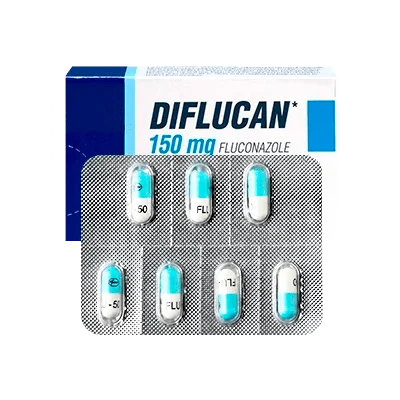
Diflucan is an oral fluconazole antifungal for adults and children when prescribed for selected Candida and other fungal infections. It weakens fungal cell membranes by disrupting ergosterol production, helping stop fungal growth.
Diflucan is an oral antifungal medicine containing fluconazole, a triazole antifungal agent. It is used for selected Candida and other fungal infections in adults and children when prescribed. Fluconazole disrupts fungal ergosterol production, weakening the fungal cell membrane and stopping further growth.
Diflucan contains fluconazole in an oral capsule. Fluconazole belongs to the triazole class of azole antifungals and acts against susceptible yeasts and fungi. The dose is stated on the pack — follow the leaflet. The product is supplied as capsules in a blister.
Fluconazole is the active substance. Pharmaceutical capsules may also contain inactive excipients used to form the capsule and maintain its stability, including lactose in some presentations. Anyone with a known allergy to lactose-containing medicines should confirm suitability before treatment.
The drug is absorbed through the gastrointestinal tract after oral administration. Food has little effect on its total absorption, so the capsule can generally be taken with or without food unless the prescriber gives different instructions. Fluconazole reaches body tissues and body fluids, which helps explain its use for mucosal and selected systemic fungal infections. Distribution varies between patients and infection sites. Prescribers consider these differences when selecting treatment. [1]
The dose is stated on the pack — follow the leaflet. This instruction is not appropriate for every fungal infection. Oral thrush, oesophageal candidiasis, cryptococcal disease, invasive candidiasis, and prophylaxis may require different doses and treatment durations selected by a prescriber.
Practical administration points include:
For children, dosing is based on body weight, infection type, kidney function, and age. The capsule should not be used for a child unless specifically prescribed. Older adults may also require renal assessment because fluconazole is cleared mainly through the kidneys.
The practical mistake is treating the capsule as a universal antifungal dose. It is a recognised regimen for a specific adult indication, not a general solution for every Candida infection.
Fluconazole interferes with fungal ergosterol biosynthesis. Ergosterol is a sterol that supports the structure and function of the fungal cell membrane. The medicine inhibits the fungal cytochrome P450 enzyme responsible for 14-alpha-lanosterol demethylation, reducing the production of ergosterol.
The resulting membrane changes impair fungal growth and replication. Fluconazole has greater affinity for the relevant fungal enzyme than for many human steroid-producing pathways, which gives it useful selectivity. Human enzymes can still be affected, which explains several clinically significant drug interactions.
The mechanism is fungistatic against many organisms, meaning it suppresses growth rather than instantly destroying every fungal cell.
Resistance can develop when the infecting organism is not susceptible or when repeated exposure selects less-sensitive strains. Symptoms alone cannot confirm whether treatment has worked. Microbiological testing becomes more valuable when symptoms persist, recur, or occur in a patient with immune compromise.
Diflucan is prescribed for infections caused by susceptible fungi, especially Candida species. Candida can affect moist mucosal surfaces, the mouth, the genital tract, the urinary tract, or the bloodstream. The clinical presentation depends on the site of infection and the patient’s immune status.
Common medical uses include:
A single 150 mg oral dose is commonly used for uncomplicated vaginal candidiasis in adults. Recurrent, severe, pregnancy-associated, resistant, or complicated infection may require a different approach. A person with pelvic pain, fever, foul-smelling discharge, bleeding, or repeated episodes may have a condition that fluconazole alone will not treat.
Cryptococcal meningitis and invasive candidiasis are serious systemic fungal infections. They require medical assessment, laboratory testing, and a carefully selected treatment course. The capsule strength sold on this page should not be treated as a self-directed regimen for these conditions.
Candida species do not all respond identically. Candida albicans is frequently susceptible, while some non-albicans species may show reduced susceptibility or resistance. Persistent symptoms after treatment need clinical reassessment rather than repeated unsupervised doses. [2]
Fluconazole is one option within antifungal therapy. Selection depends on the organism, infection site, pregnancy status, immune function, liver and kidney health, and interaction profile.
| Antifungal approach | Main route or action | Clinical distinction |
|---|---|---|
| Fluconazole | Oral triazole; inhibits ergosterol synthesis | Useful for susceptible Candida and selected systemic infections |
| Topical azole | Local antifungal action on skin or mucosa | May be preferred when local treatment is suitable and systemic exposure should be limited |
| Echinocandin therapy | Intravenous inhibition of fungal cell-wall glucan synthesis | Used in selected invasive Candida infections, usually in hospital care |
Fluconazole offers convenient oral administration and penetrates several body compartments. Its limitations include clinically relevant interactions, liver toxicity in rare cases, QT-interval effects, and reduced activity against some resistant Candida species.
Topical treatment may limit systemic exposure for some superficial or vaginal infections, though local irritation can occur and treatment duration may be longer. Intravenous echinocandin therapy is used for selected severe infections but requires supervised administration. These approaches are not interchangeable on the basis of symptoms alone. [3]
Diflucan is not suitable for everyone. It should not be used by a person with a previous serious hypersensitivity reaction to fluconazole or another azole antifungal.
Fluconazole inhibits several hepatic CYP enzymes, including CYP2C9, CYP2C19, and CYP3A4 to varying degrees. This can increase exposure to medicines metabolised through those pathways. Important interaction examples include warfarin, certain sulfonylureas, phenytoin, carbamazepine, ciclosporin, tacrolimus, some statins, and selected medicines that affect cardiac rhythm.
Some antipsychotics, antiarrhythmics, macrolide antibiotics, and antidepressants can increase QT-related risk when combined with fluconazole. The interaction profile is more clinically relevant with repeated doses or prolonged treatment than with a single dose, but a single dose can still matter for certain medicines.
Pregnancy requires special care. Oral fluconazole is not a routine self-treatment choice during pregnancy, especially at repeated or high doses. Vaginal symptoms may also arise from bacterial vaginosis, sexually transmitted infection, dermatitis, or another condition requiring different treatment. [1]
This medication is not for you if:
Metformin does not have the same major CYP interaction pattern as warfarin, yet kidney function remains important when fluconazole is being prescribed alongside medicines for diabetes. Prednisone, clomifene, disulfiram, doxycycline, azithromycin, and sertraline should be disclosed during a medication review because the complete clinical context determines suitability. Brand names are less useful than active ingredients when checking interactions.
Many adults tolerate a short fluconazole course without serious problems. Reported adverse effects include:
Mild stomach symptoms often settle without treatment. Taking the capsule after a light meal may feel easier for someone prone to nausea, even though food is not required for absorption.
Rare but important reactions include severe skin reactions, facial or throat swelling, breathing difficulty, severe blistering rash, seizures, liver injury, and abnormal heart rhythm. Stop taking further doses and seek urgent medical attention for swelling of the lips or throat, breathing difficulty, widespread blistering, fainting, or yellowing of the skin.
Fluconazole can cause liver enzyme elevations and, rarely, clinically significant hepatic injury. Dark urine, pale stools, persistent vomiting, unusual itching, or yellow skin require prompt medical assessment. The risk deserves extra attention in people with existing liver disease or exposure to other hepatotoxic medicines.
Fluconazole can prolong the QT interval in susceptible patients. The risk rises with congenital long-QT syndrome, low potassium or magnesium, significant heart disease, and other QT-prolonging medicines. Palpitations, fainting, or a seizure require urgent assessment.
A practical detail is that a mild headache after one dose is not equivalent to a dangerous allergic reaction. A rapidly spreading rash, mucosal sores, or facial swelling is a different clinical pattern and needs urgent attention.
Several practical errors reduce the chance of a good result:
A common misunderstanding is that stronger symptoms always require more capsules. Severe symptoms may instead indicate a different infection, resistant Candida, pelvic involvement, or a non-infectious cause.
In clinical practice, doctors usually match the fluconazole regimen to the infection rather than to the symptom alone. A single 150 mg capsule can be appropriate for uncomplicated vaginal candidiasis, yet it is not an adequate plan for suspected invasive candidiasis or cryptococcal meningitis.
A clinician will often ask about recurrence, recent antibiotics, diabetes, pregnancy, immune suppression, previous antifungal treatment, and current medicines. Those details influence both diagnosis and the chance of treatment failure. Repeated episodes may justify a swab or culture, especially when symptoms persist despite treatment.
Doctors also distinguish symptom relief from microbiological cure. Itching may improve before inflammation has completely settled, while ongoing discharge or pain can signal another diagnosis. Fluconazole does not treat bacterial vaginosis, most sexually transmitted infections, or non-infectious vulval irritation.
SAHPRA and international regulatory information support careful review of contraindications, interactions, hepatic effects, and cardiac risk. The EMA and WHO also emphasise appropriate antifungal use because resistance and misdiagnosis can lead to repeated treatment without resolving the underlying condition.
Symptom improvement often begins within one to three days for uncomplicated vaginal candidiasis, although inflammation may take longer to settle. The FDA’s 2018 prescribing information describes fluconazole’s use for susceptible fungal infections, while clinical response depends on the infection site and organism. Persistent or worsening symptoms need reassessment rather than an automatic repeat dose.
Fluconazole can be prescribed for oral and oesophageal candidiasis when the responsible organism is susceptible. The dose and duration differ from the single-dose regimen used for uncomplicated vaginal candidiasis. The WHO’s 2022 guidance on fungal disease treatment supports selecting therapy according to infection severity, immune status, and likely susceptibility.
Pregnancy changes the risk-benefit assessment. Oral fluconazole should not be self-selected during pregnancy, especially as repeated or high-dose treatment, and a clinician may choose a local treatment instead. The EMA’s 2023 product information addresses pregnancy-related precautions and fetal safety considerations for systemic azole exposure.
The combination requires a medication review rather than an automatic approval or rejection. Both medicines can contribute to QT-related risk in susceptible patients, and fluconazole can alter the metabolism of some co-administered medicines. The FDA’s 2018 safety information supports checking cardiac risk factors, other medicines, and the planned duration before combining them.
Lack of improvement may result from resistant Candida, an incorrect diagnosis, reinfection, or a complicated infection. Repeated symptoms can require examination, microscopy, culture, or testing for another cause. SAHPRA’s 2022 pharmacovigilance principles support reporting and assessing suspected adverse reactions, treatment failure, and clinically significant interactions.
Fluconazole can produce abnormal liver enzymes and rarely serious liver injury. Risk is more relevant with prolonged treatment, liver disease, or other medicines that affect the liver. The National Institutes of Health’s 2019 LiverTox monograph describes the clinical pattern of fluconazole-associated liver injury and the need to evaluate jaundice, dark urine, or persistent vomiting.
No. Susceptibility varies among Candida species, and some non-albicans organisms respond less reliably to fluconazole. Treatment failure or recurrence may require laboratory identification and susceptibility testing rather than a larger dose. The WHO’s 2022 fungal disease framework describes species identification and antifungal resistance as important parts of managing difficult infections.
Your order will be securely packed and shipped within 24 hours. This is exactly what your package will look like (images of an actual item sent). It has the size and look of a regular private letter (24x11x0.7 cm) and its contents cannot be seen.
The itching eased over the next two days, and the stomach upset was mild. I had expected instant relief, so the gradual improvement was useful to understand.
The capsule helped the first episode, but symptoms returned several weeks later. Testing found recurrent candidiasis, and repeating the same dose without a review had not solved the pattern.
I developed nausea and a headache during the first few doses. The symptoms were manageable, but my doctor reviewed my other medicines before continuing.
There was no meaningful improvement after treatment. A later examination showed irritation rather than a yeast infection, so another capsule would not have addressed the cause.