

Verified
After about three weeks, my hands felt stiff when I got out of bed. Walking and gentle stretching helped, but I still needed the oncology team to review the pain.
03 Oct 2026
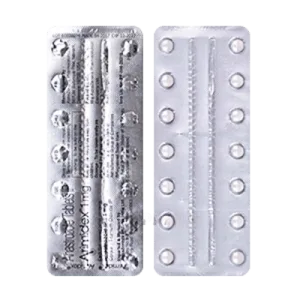
Arimidex is a prescription medicine containing the aromatase inhibitor anastrozole. It is intended mainly for postmenopausal women with hormone-receptor-positive breast cancer. By lowering oestrogen production, it helps reduce hormonal stimulation of sensitive cancer cells.
Arimidex is a prescription aromatase inhibitor containing anastrozole. It is used mainly for hormone-receptor-positive breast cancer in postmenopausal women. By reducing estrogen production, Arimidex helps slow the growth of cancers that depend on estrogen signals.
The dose is stated on the pack — follow the leaflet. Anastrozole is a non-steroidal, selective aromatase inhibitor used in endocrine treatment for postmenopausal breast cancer.
The medicine is most useful when tumour growth is driven by oestrogen receptors. It does not work by destroying cancer cells directly. Instead, it reduces hormonal stimulation that can support the growth of hormone-sensitive tumour cells.
The FDA label describes its use in adjuvant treatment, advanced disease, and initial endocrine treatment of hormone-receptor-positive breast cancer in postmenopausal women [1].
The usual Arimidex regimen is the dose stated on the pack — follow the leaflet. Treatment duration varies according to the clinical indication, recurrence risk, previous endocrine therapy, and the oncology team’s plan.
Arimidex tablets should be swallowed whole. Crushing or chewing can make administration unpleasant and removes the predictable way the tablet was designed to be taken.
Treatment adherence can be difficult when side effects develop gradually. Joint stiffness may be most noticeable after sitting or waking, while hot flushes can disturb sleep. Reporting these patterns early allows the clinical team to consider symptom treatment or a supervised endocrine-therapy adjustment.
Arimidex belongs to the aromatase inhibitor class of anti-estrogens. Its active ingredient, anastrozole, suppresses the enzyme aromatase, which converts adrenal hormones into oestrogen in tissues such as fat, muscle, and breast tissue.
This mechanism differs from an oestrogen-receptor blocker. Aromatase inhibitors reduce the amount of oestrogen produced, while selective oestrogen receptor modulators block or modify oestrogen signalling at specific receptors.
Arimidex is used for endocrine treatment of hormone-receptor-positive breast cancer in postmenopausal women. Doctors may prescribe it after surgery to reduce the risk of recurrence, as initial treatment for locally advanced or metastatic disease, or after previous tamoxifen treatment.
The medicine is not selected solely by age. Menopausal status, ovarian function, tumour receptor results, previous treatments, bone health, cardiovascular risk, and the person’s tolerance of endocrine therapy all influence the treatment plan.
In clinical practice, oncologists often explain that Arimidex is a long-term risk-reduction treatment rather than a medicine expected to produce an immediate sensation. Its value is assessed through treatment adherence, follow-up examinations, imaging, pathology, and the wider oncology plan.
Postmenopausal women generally produce most circulating oestrogen through peripheral conversion rather than ovarian production. Blocking aromatase can therefore produce a substantial reduction in oestrogen exposure. Premenopausal ovarian activity changes this calculation and requires specialist assessment.
Arimidex, exemestane, and letrozole are third-generation aromatase inhibitors. They share the aim of reducing oestrogen synthesis, but their molecular structures and enzyme interactions differ.
| Medicine | Pharmacological distinction | Clinical point |
|---|---|---|
| Arimidex — anastrozole | Reversible, non-steroidal aromatase inhibition | Once-daily endocrine therapy |
| Exemestane | Steroidal, irreversible aromatase inhibition | May be used after prior non-steroidal therapy |
| Letrozole | Reversible, non-steroidal aromatase inhibition | Another option for postmenopausal hormone-sensitive disease |
The choice between these medicines is not based on one option being universally stronger. Doctors consider previous treatment, recurrence risk, bone density, symptoms, other illnesses, interactions, and the likelihood that the patient can continue treatment.
Exemestane binds to aromatase differently from anastrozole and letrozole. Tamoxifen takes another route by modifying oestrogen-receptor activity rather than suppressing oestrogen synthesis. Large endocrine-treatment studies have shown that treatment selection and sequencing can influence recurrence reduction, while tolerability strongly affects whether a person completes therapy [2].
Arimidex is not appropriate for everyone. It should not be used in the following circumstances unless a specialist has provided a specific treatment plan:
Oestrogen-containing contraceptives, hormone-replacement therapy, and some vaginal oestrogen products may oppose the intended reduction in oestrogen activity. The prescribing team should know about every hormone treatment before Arimidex is started.
Tamoxifen may reduce the clinical effect of anastrozole when taken concurrently. Medicines that affect liver enzymes may also require review, although clinically significant interactions vary between patients.
Bone-protective medicines, anticoagulants, cholesterol-lowering treatment, antidepressants, and pain medicines should be assessed as part of the complete medication list. Do not use over-the-counter hormone products or bodybuilding products alongside Arimidex without a specialist review.
Arimidex may not be for you if you are pregnant, breastfeeding, or still having ovarian function without specialist assessment. Tell your prescribing team if you have severe liver disease, significant kidney problems, or an allergy to anastrozole. You should also check before using hormone treatments, tamoxifen, over-the-counter hormone products, or bodybuilding products.
Arimidex lowers oestrogen throughout the body, so many adverse effects resemble symptoms of reduced oestrogen exposure. Common problems include hot flushes, sweating, joint pain, joint stiffness, muscle discomfort, tiredness, headache, mood changes, vaginal dryness, reduced sexual desire, and sleep disturbance.
Musculoskeletal symptoms are among the most frequent reasons for difficulty continuing an aromatase inhibitor. Pain may affect the hands, wrists, knees, hips, shoulders, or ankles. Stiffness after inactivity is a useful detail to report because it can help distinguish treatment-related symptoms from other causes of pain.
The medicine can also affect bone health. Reduced oestrogen may accelerate bone mineral loss and increase fracture risk, especially in people with osteoporosis, previous fractures, low body weight, smoking history, or prolonged corticosteroid exposure.
Other clinically relevant effects include changes in cholesterol, liver enzyme abnormalities, skin reactions, and carpal-tunnel-type symptoms. Chest pain, sudden shortness of breath, one-sided weakness, facial swelling, severe rash, or yellowing of the skin requires urgent medical assessment.
A patient may feel well while bone density is declining. Symptoms alone cannot measure skeletal risk. Baseline and follow-up bone-density testing may be recommended during extended therapy, with calcium, vitamin D, exercise, and bone-protective treatment considered according to individual findings. The EMA product information describes these monitoring needs alongside the recognised adverse-effect profile [3]. The oncology team can use these findings to plan follow-up and discuss protective treatment when appropriate.
Hot flushes often improve when the bedroom is cool, alcohol is limited, and layered clothing is used. Persistent symptoms may require a treatment option selected for compatibility with breast-cancer therapy.
Several avoidable patterns can reduce the benefit of Arimidex:
One overlooked issue is attribution. People may blame every ache on Arimidex, while others dismiss treatment-related symptoms as normal ageing. A symptom timeline gives the clinician a better basis for deciding whether the medicine, another treatment, or an unrelated condition is responsible.
Oncologists commonly focus on three practical questions: whether the cancer is hormone-receptor positive, whether the patient is genuinely postmenopausal, and whether the expected reduction in recurrence risk outweighs the treatment burden.
A doctor may recommend Arimidex even when a patient feels completely well after surgery. The purpose of adjuvant endocrine therapy is to reduce the chance of future hormone-sensitive disease becoming clinically apparent, so immediate symptom improvement is not the measure of success.
Another clinical observation concerns persistence. Stopping treatment because of joint pain may remove an important protective benefit, yet untreated severe symptoms can also make adherence impossible. A supervised switch to another endocrine option, a structured exercise programme, physiotherapy, or symptom-directed treatment may help.
The National Institute for Health and Care Excellence supports endocrine therapy decisions based on tumour biology, menopausal status, recurrence risk, and treatment tolerance rather than a single medicine being suitable for every patient [5].
Arimidex is used mainly for hormone-receptor-positive breast cancer in postmenopausal women. The medicine reduces oestrogen production through aromatase inhibition, which can reduce hormonal stimulation of sensitive tumour cells. The FDA's 2011 prescribing information lists adjuvant treatment and advanced disease settings.
Arimidex begins suppressing aromatase activity after treatment starts, but patients usually cannot judge its benefit by symptoms. Adjuvant treatment is intended to reduce future recurrence risk, so benefit is evaluated over the planned treatment period rather than after a few days. The EMA's 2018 product information describes continuous once-daily use as part of long-term endocrine therapy.
Joint pain and stiffness are recognised effects of aromatase-inhibitor treatment. Symptoms may involve the hands, knees, hips, shoulders, or ankles and can be worse after rest. NICE guidance from 2021 supports reviewing troublesome adverse effects because supervised treatment adjustments may improve adherence.
Long-term oestrogen suppression can reduce bone mineral density and increase fracture risk. Doctors may arrange a DXA scan, assess fracture history, and recommend exercise or bone-protective treatment according to the result. The WHO's 2021 osteoporosis information identifies fragility fractures as an important public-health concern linked to reduced bone strength.
Arimidex and tamoxifen act through different hormonal mechanisms, but they should not be combined or sequenced without an oncology plan. Concurrent use may reduce the intended effect of anastrozole, and treatment order is selected according to the cancer history. The 2005 ATAC trial published in The Lancet Oncology evaluated endocrine-treatment sequences, but the correct choice remains individual.
Arimidex is primarily used after menopause because peripheral aromatase conversion becomes a major source of oestrogen. Ovarian function can make aromatase inhibition alone unsuitable before menopause. A specialist must confirm menopausal status and select any required ovarian-suppression strategy. NICE guidance from 2021 supports specialist assessment when endocrine treatment is being considered before menopause.
A missed tablet should not be replaced with two tablets taken together. If the next dose is soon, the missed dose is generally skipped and the normal schedule resumed. The FDA's 2011 prescribing information supports once-daily administration and warns against unnecessary dose duplication.
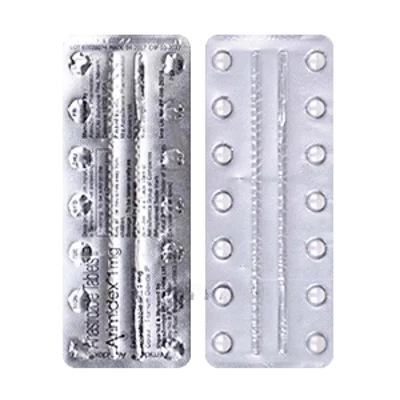
Your order will be securely packed and shipped within 24 hours. This is exactly what your package will look like (images of an actual item sent). It has the size and look of a regular private letter (24x11x0.7 cm) and its contents cannot be seen.
Long-term oestrogen suppression can reduce bone mineral density. This is one of the main limitations of aromatase-inhibitor therapy and a reason doctors assess fracture risk before and during treatment.
A bone-density scan, often called a DEXA or DXA scan, measures bone mineral density at sites such as the hip and spine. The result is interpreted with age, fracture history, menopausal status, and other risk factors.
Cardiovascular risk also deserves attention. Arimidex may alter lipid levels, and the underlying risk profile can be affected by blood pressure, diabetes, smoking, weight, physical activity, and previous cardiovascular disease. These factors are assessed as part of routine cancer survivorship care.
Weight-bearing exercise and resistance training can support muscle and skeletal health when medically appropriate. Vitamin D deficiency, inadequate dietary calcium, smoking, and heavy alcohol use can worsen fracture risk.
The World Health Organization recognises osteoporosis as a major cause of fragility fractures, especially when bone loss is combined with ageing and reduced physical activity [4]. Arimidex treatment does not automatically mean that a fracture will occur, but it makes individual risk assessment more relevant.
After about three weeks, my hands felt stiff when I got out of bed. Walking and gentle stretching helped, but I still needed the oncology team to review the pain.
I had been taking the tablet for several months before noticing that hot flushes were disturbing my sleep. Keeping the room cooler helped more than I expected, and the symptoms later became less disruptive.
The medicine itself was easy to take because it was once daily. The difficult part was remembering that feeling well did not mean the treatment had finished.
My bone-density result led to a separate discussion about fracture prevention. The treatment burden was frustrating, and I had not realised that bone monitoring could be part of endocrine treatment.