
Verified
I took the tablet with water according to the directions for two weeks. The product was easy to take, but I could not judge a specific benefit because the active substance and indication were not clear to me.
27 Sept 2026
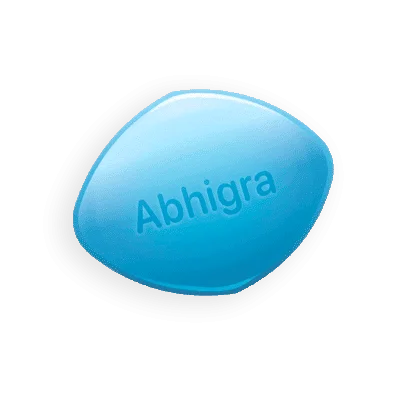
Abhigra is an oral tablet for people whose medical indication matches its active substance and strength. Its therapeutic benefit depends on how that active substance acts in the body and on following the approved treatment plan.
Abhigra is an oral tablet product intended for use according to its approved medical directions. The correct indication, dose, timing, interactions, and expected effects depend on the active substance and strength assigned to the product. These details determine whether Abhigra is suitable for a particular medical need.
Abhigra is an oral tablet containing an active medicinal substance together with tablet excipients that support its form, stability and administration. Its therapeutic action and appropriate use are determined by the active substance, the strength and the approved treatment plan for the relevant medical indication.
Abhigra tablets are taken by mouth with water. The prescribed dose and schedule should be followed exactly, because changing the amount or frequency can alter both the intended effect and the risk of adverse reactions.
Practical administration points include:
If a dose is missed, the appropriate action depends on how close the next scheduled dose is. Taking two doses together can increase the risk of unwanted effects, so a missed-dose plan should be established before treatment begins.
Food and drink can affect the absorption or metabolism of some medicines. Alcohol may worsen dizziness, drowsiness, poor coordination, or low blood pressure with susceptible medicines. Grapefruit and grapefruit juice can also alter the blood concentration of certain active substances by affecting intestinal drug-metabolising enzymes.
Because these interactions are medicine-specific, dietary restrictions should follow the product’s approved directions and the treatment plan established for the person using it. Do not assume that a food interaction affecting one tablet applies to every oral medicine.
The action of Abhigra depends on its active substance. Medicines taken as tablets may affect blood vessels, hormone pathways, inflammation, pain signalling, digestion, the nervous system, or other physiological processes.
A pharmacological mechanism explains how an active substance produces its therapeutic effect. It does not predict the exact response of every person, because age, kidney function, liver function, other medicines, and the underlying condition can alter treatment response.
Abhigra should be used only for the indication associated with its active substance. A medicine intended for one condition may be unsuitable for another condition, even when the symptoms appear similar.
The therapeutic purpose of an oral tablet is established through its active ingredient, strength, dosage schedule, and approved clinical use. These factors also guide the duration of treatment and the precautions required during use.
Abhigra is an oral tablet, so it differs from topical products or other dosage forms in how it is administered. Its indication, expected effect, dose, timing, and precautions depend on the active substance and strength assigned to the product, which should be confirmed from the pack and approved directions.
Abhigra is not suitable for a person with a known allergy to its active substance or any excipient. It also requires careful assessment when a person has significant kidney disease, liver disease, cardiovascular disease, a history of severe medicine reactions, or several medicines taken at the same time.
Particular caution is required with:
Pregnancy, breastfeeding, planned surgery, and treatment of a child or older adult may change the risk assessment. The relevant contraindications depend on the medicine’s active ingredient and approved indication.
NOT for you if: the active substance, indication, or risk profile does not match your medical needs. A clinician should confirm suitability before treatment begins.
Any medicine can cause unwanted effects, even when it is taken correctly. Possible reactions depend on the active ingredient, dose, duration of use, and individual sensitivity.
Symptoms that require prompt medical attention include:
Milder symptoms can include digestive discomfort, headache, dizziness, fatigue, or skin irritation, depending on the medicine involved. A persistent or worsening symptom should be assessed clinically rather than managed by increasing or stopping doses independently.
Several practical errors can reduce treatment safety:
In clinical practice, a physician first confirms the treatment goal, reviews current medicines, and considers kidney, liver, and cardiovascular status before selecting an oral tablet. The active substance matters more than the tablet’s appearance, because it determines the mechanism, dose, contraindications, and interaction profile.
Doctors also assess whether a symptom reflects an underlying condition that needs separate treatment. NICE guidance can support assessment of symptoms, treatment goals, and follow-up needs. A tablet may relieve a symptom without correcting its cause. Sudden, severe, or rapidly worsening symptoms require clinical assessment rather than repeated self-dosing.
Treatment response should be judged against the intended medical goal and the expected time course. Increasing the dose because an effect has not appeared quickly can create avoidable harm.
Abhigra is an oral tablet and should be swallowed with water according to its approved dosing directions. The schedule depends on the active substance, strength, indication, and the person’s medical history. WHO (2017) medication-safety principles emphasise accurate dosing and clear communication when medicines are started or changed [1].
Potential interactions depend on the active substance in Abhigra and the medicines taken alongside it. Blood-pressure treatments, heart medicines, sedatives, anticoagulants, and enzyme-affecting medicines may require specific assessment. SAHPRA (2020) safety information supports reviewing concurrent medicines before treatment changes [2].
Alcohol can increase dizziness, impaired coordination, sleepiness, or low blood pressure with some oral medicines. The effect depends on the medicine and the amount of alcohol consumed. Guidance from the EMA (2018) supports considering alcohol and other central or cardiovascular effects when assessing medicine tolerability [3].
The correct action depends on the prescribed schedule and the time remaining before the next dose. Taking two tablets together is unsafe unless a specific medical instruction permits it. FDA (2020) medication-safety guidance commonly advises avoiding double dosing after a missed dose and using the approved product directions for the next scheduled dose [4].
A person with a known allergy to the active substance or an excipient should avoid the medicine. Additional restrictions may apply with serious heart, kidney, or liver disease, pregnancy, breastfeeding, or interacting treatment. The relevant contraindications are defined by the medicine’s approved regulatory information, including national guidance from SAHPRA (2020).
A tablet should not be crushed, split, or chewed unless its approved directions permit that method. Some tablets use a formulation that controls dissolution or protects the active substance from the stomach. EMA (2018) pharmaceutical guidance treats dosage-form design as part of safe administration .
Urgent assessment is required for breathing difficulty, facial or throat swelling, fainting, severe chest pain, collapse, or a rapidly spreading blistering rash. These symptoms may indicate a serious reaction or another acute medical problem. WHO (2017) patient-safety materials identify rapid recognition of severe medicine-related symptoms as an important part of safer treatment .
Your order will be securely packed and shipped within 24 hours. This is exactly what your package will look like (images of an actual item sent). It has the size and look of a regular private letter (24x11x0.7 cm) and its contents cannot be seen.




I took the tablet with water according to the directions for two weeks. The product was easy to take, but I could not judge a specific benefit because the active substance and indication were not clear to me.
I used Abhigra for one week at the schedule provided with the product. Swallowing it with water was convenient, and I did not change the timing during use.
I followed the stated instructions for three weeks and kept a written record of each tablet. It was straightforward to administer, although the expected effect depends on details that were not available to me.
After five days of use, I stopped because I was unsure whether the product matched my medical indication. I would confirm the active substance and strength with a healthcare professional before trying it again.