Verified
I used Ashwagandha during a demanding work period and noticed that evenings felt less tense after regular use. I also felt sleepy earlier than usual, so I stopped taking it in the morning.
04 Oct 2026

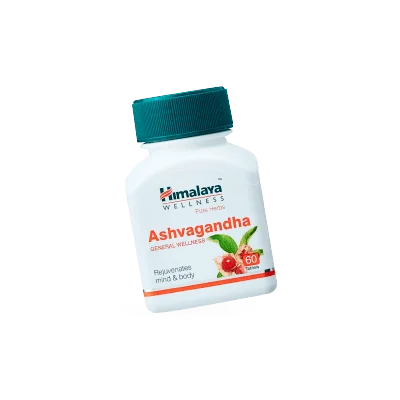
Ashwagandha is a botanical wellness supplement containing the herb Withania somnifera. It is intended for adults seeking support for general wellbeing, stress resilience, and mental and physical vitality. Its naturally occurring plant compounds, including withanolides, are studied for their effects on stress-response pathways.
Ashwagandha comes from Withania somnifera, a plant used in Ayurveda, the traditional medical system of India. The plant belongs to the nightshade family, Solanaceae. Ashwagandha is commonly classified as an adaptogen.
Ashwagandha is classified as an herbal adaptogenic tonic. The term “tonic” refers to traditional use for maintaining vitality rather than treating one isolated symptom. Modern research has examined its possible effects on perceived stress, sleep quality, exercise recovery, reproductive hormones, and selected metabolic markers.
Ashwagandha contains several groups of plant compounds, withanolides being the best-known. Withanolides are steroidal lactones found in Withania somnifera. They are studied in laboratory and human research for possible effects on inflammatory signalling, oxidative stress, and neuroendocrine regulation.
Ashwagandha is taken orally as a supplement. The bottle contains 60 units. The exact amount per unit and the recommended daily intake should follow the product-specific directions supplied for this preparation.
The clinical literature uses different Ashwagandha preparations, so doses from research studies should not be copied automatically. A high amount of one concentrated extract may not be equivalent to the same weight of root powder or another preparation.
The hypothalamic-pituitary-adrenal axis, usually called the HPA axis, is one pathway relevant to stress. It links the brain with the pituitary and adrenal glands. During stress, the HPA axis helps regulate cortisol release. Research suggests that Ashwagandha may influence stress-related signalling and perceived stress in some adults, though it should not be viewed as a direct cortisol-lowering treatment for every person.
The proposed mechanism is multi-system rather than single-target. Ashwagandha may interact with pathways involved in:
A randomised controlled trial published in 2012 in the Indian Journal of Psychological Medicine reported lower stress scores in participants receiving a concentrated Ashwagandha extract, alongside changes in perceived wellbeing [1].
Ashwagandha is used for general wellness, with research focused on stress, sleep, physical performance, and selected hormonal and metabolic measures. The product should not be presented as a cure for anxiety disorders, diabetes, thyroid disease, or cardiovascular disease.
Stress is the area with the clearest human research. Some trials have reported reductions in perceived stress and anxiety scores after regular use. A 2019 randomised study in Medicine examined Ashwagandha extract in adults experiencing stress and reported improvements in several stress-related measures [2].
Ashwagandha may support sleep quality in adults with stress-related sleep difficulty. The possible benefit appears more relevant to sleep onset, restfulness, or perceived recovery than to treating a diagnosed sleep disorder.
Research has examined Ashwagandha in men involved in resistance training and in adults reporting stress-related concerns. Some studies have reported changes in testosterone or strength-related outcomes, yet the findings do not establish a general testosterone-boosting effect for every user.
A 2015 study in the Journal of the International Society of Sports Nutrition evaluated Ashwagandha alongside resistance training and reported improvements in selected strength and body-composition outcomes [3]. The study design does not mean that the same result will occur without structured exercise, adequate protein, and sufficient sleep.
Ashwagandha has been studied for possible effects on blood glucose, insulin sensitivity, cholesterol, and blood pressure. The evidence remains limited and should not replace prescribed treatment or glucose monitoring.
| Area of interest | Evidence and practical meaning |
|---|---|
| Perceived stress | Human trials suggest possible improvement in selected adults, but extracts and doses vary. |
| Sleep and recovery | May help some stress-related sleep complaints; it is not a treatment for every sleep disorder. |
| Hormonal and metabolic measures | Findings are mixed, so it should not replace treatment for thyroid disease, diabetes, or cardiovascular conditions. |
Ashwagandha has potential advantages as a plant-based wellness product with several areas of study. Its limitations include variable extract composition, possible interactions, and the absence of consistent evidence for treating established disease.
Ashwagandha is one option within a broader approach to stress and recovery. It works through plant constituents, while lifestyle measures act through sleep, physical activity, nutrition, and nervous-system regulation.
| Approach | Main action | Main limitation |
|---|---|---|
| Ashwagandha | Provides plant compounds studied for stress-response and wellbeing support. | Extracts vary, and benefits are not consistent for every user. |
| Structured exercise | Supports mood, sleep, cardiovascular fitness, and stress regulation. | Requires regular participation and may not suit acute illness or injury. |
| Sleep and relaxation routines | Reduce avoidable stimulation and support circadian rhythm. | Results may be slow when an untreated medical condition is present. |
A supplement can fit alongside sensible sleep and activity habits. It should not be used to conceal worsening anxiety, persistent low mood, unexplained weight change, palpitations, or prolonged exhaustion.
Ashwagandha is not suitable for everyone.
Avoid Ashwagandha or obtain specific medical guidance before use if you:
Ashwagandha may influence thyroid function in some people. Symptoms such as racing heartbeat, tremor, heat intolerance, unexplained sweating, or new anxiety need medical review, especially when thyroid disease is present.
Many adults tolerate Ashwagandha without major problems, but side effects can occur. Reported reactions include:
Stop the supplement and seek urgent medical care for yellowing of the skin or eyes, dark urine, unusually pale stools, severe itching, marked abdominal pain, or persistent vomiting. Case reports of liver injury associated with Ashwagandha have been reviewed in the medical literature, including by the NIH LiverTox resource [4].
A practical issue is timing. Taking Ashwagandha alongside alcohol, sleep medicines, sedating antihistamines, or other calming products may increase drowsiness. Combining several products with similar effects makes it harder to identify which one caused a reaction.
Allergic reactions need prompt treatment if swelling of the lips or tongue, breathing difficulty, widespread hives, or faintness develops.
Several usage patterns reduce the chance of a clear, safe assessment:
One easily missed detail is that sleepiness may appear only after several consecutive doses. Another is that stomach discomfort may improve when the supplement is taken with food, but persistent symptoms should not be ignored.
A clinician would usually set modest expectations. Ashwagandha may support perceived stress or general vitality for some adults, but it does not replace treatment for major depression, panic disorder, diabetes, thyroid disease, or persistent insomnia.
Doctors also tend to focus on the formulation. A named clinical study may use a concentrated extract with a defined withanolide content, while another preparation may contain a different balance of root compounds. Evidence should therefore be applied carefully rather than transferred from one product to every product carrying the same herb name.
The most useful clinical review includes sleep, anxiety, energy, digestion, medication use, thyroid history, and liver health. A change in symptoms after starting Ashwagandha should be recorded rather than dismissed as part of “detoxification”; detoxification is not a reliable explanation for jaundice, severe abdominal pain, or marked fatigue.
Ashwagandha is used as a general wellness supplement and is studied for stress resilience, sleep support, physical recovery, and selected hormonal or metabolic outcomes. A 2012 clinical trial published in the Indian Journal of Psychological Medicine reported stress-related benefits in adults using a concentrated extract. The result applies to that study preparation and does not prove the same effect for every bottle.
Some people describe changes in relaxation or sleep after regular use, while others notice little benefit. The 2019 Medicine trial assessed outcomes over a sustained period rather than after one intake, so immediate effects should not be expected. A lack of improvement, increasing drowsiness, or new symptoms is a reason to reassess use.
Ashwagandha may influence thyroid-related laboratory results or symptoms in some people. The EMA’s herbal-medicine framework recognises that plant preparations can have pharmacological effects, even when they are marketed for wellness. The WHO’s 2004 herbal-medicine safety guidance also supports reviewing preparation and patient circumstances before use. People with thyroid disease or those using thyroid hormone should obtain specific clinical guidance before use.
Pregnancy and breastfeeding require a cautious approach because safety evidence is limited. The WHO’s 2004 herbal-medicine principles emphasise assessing evidence, preparation, and patient circumstances before medicinal-herb use. Ashwagandha should therefore be avoided during pregnancy and breastfeeding unless a qualified clinician has specifically advised its use.
Research has examined possible effects on glucose and cardiovascular markers, but findings are not consistent enough to use Ashwagandha as treatment. The 2019 trial reported in Medicine studied stress-related Ashwagandha use and does not establish reliable diabetes or hypertension control. People using glucose-lowering or blood-pressure medicines should monitor for dizziness, weakness, sweating, or shakiness.
Your order will be securely packed and shipped within 24 hours. This is exactly what your package will look like (images of an actual item sent). It has the size and look of a regular private letter (24x11x0.7 cm) and its contents cannot be seen.
I used Ashwagandha during a demanding work period and noticed that evenings felt less tense after regular use. I also felt sleepy earlier than usual, so I stopped taking it in the morning.
I hoped it would improve gym recovery. My sleep seemed steadier, but I did not notice a clear change in strength. The result felt modest rather than dramatic.
It caused loose stools when I took it without food. Taking it after a meal helped, although I eventually decided it was not worth continuing.
I used it as part of a routine that included earlier bedtimes and less caffeine. I cannot separate the supplement from those changes, but my stress felt easier to manage.