Verified
Afrin opened one side of my nose within a short time during a bad cold. I slept better that night, but I stopped after three days because the inside of my nose felt dry.
28 Oct 2026

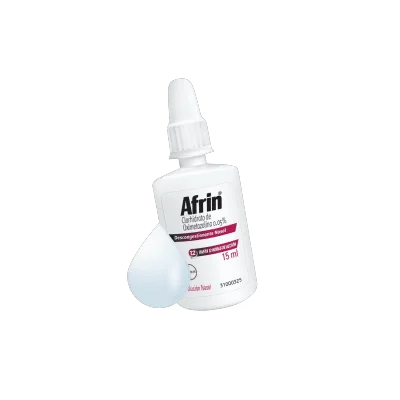
Afrin is a topical nasal decongestant for people with temporary blockage from colds, allergies, or sinus inflammation. Its oxymetazoline hydrochloride reduces swelling in the nasal lining by narrowing the blood vessels, helping air pass more freely.
Afrin is a nasal decongestant containing oxymetazoline hydrochloride for temporary relief of blocked nasal passages. It is used when colds, allergic rhinitis, hay fever, or sinus inflammation cause swelling inside the nose. Oxymetazoline narrows swollen nasal blood vessels, helping air pass more freely.
Afrin contains oxymetazoline hydrochloride as its active nasal decongestant. Excipients can differ between nasal formulations, including products that contain preservatives, cooling agents, or fragrance-related ingredients.
This distinction matters for people with a known sensitivity to preservatives or a history of contact irritation from nasal products. Burning, persistent swelling, rash, or worsening nasal soreness after administration may indicate intolerance rather than untreated congestion.
Afrin is administered through the nose. The exact amount and frequency should follow the dose authorised for the specific product and the age group using it.
Nasal drops require controlled positioning so the liquid reaches the nasal passage rather than immediately running into the throat. A slight bitter taste can occur if some solution drains backwards. Tilting the head too far back makes this more likely.
Do not use Afrin more frequently than directed. Repeated vasoconstriction can irritate the nasal lining and cause rhinitis medicamentosa, also called rebound congestion. This condition can make the nose feel blocked when the medicine wears off, creating pressure to use it again.
If a dose is missed, administer the next dose at the usual time. Do not double the amount to compensate.
Oxymetazoline hydrochloride is the active decongestant in Afrin. It stimulates alpha-adrenergic receptors in blood vessels within the nasal mucosa. The vessels constrict, tissue swelling decreases, and the nasal airway becomes less resistant to airflow.
The nasal lining contains a dense network of small blood vessels. During a cold or allergy flare, these vessels become engorged. Oxymetazoline reduces that engorgement, which can improve nasal breathing and decrease the sensation of pressure caused by mucosal swelling.
The medicine does not physically remove sinus mucus or drain an infected sinus.
The official FDA labelling for oxymetazoline nasal products describes temporary relief of nasal congestion through local vasoconstriction [1].
Nasal congestion develops when blood vessels in the nasal lining become dilated and the mucosa swells. This can occur with:
Afrin can ease the blocked sensation caused by swollen nasal tissue. It does not remove the virus causing a cold, eliminate an allergy, or treat a bacterial sinus infection. Its role is symptom relief while the underlying condition settles or receives appropriate treatment.
Afrin suits short-term obstruction where rapid opening of the nasal airway is needed. Other approaches may fit a different symptom pattern.
A saline product is useful for dryness, crusting, thick mucus, and routine nasal cleansing. It does not constrict blood vessels, so it does not carry the same rebound-congestion concern.
An intranasal corticosteroid is more appropriate for recurring allergic rhinitis because it reduces inflammatory activity over time. It usually does not provide the same immediate sensation of airflow as oxymetazoline.
Oral decongestants affect the whole body and may cause more systemic effects, including palpitations, insomnia, and blood-pressure changes. A topical nasal product can limit exposure to the nasal tissues, but excessive use still creates cardiovascular and local risks.
The European Medicines Agency, EMA, describes nasal decongestants as short-term symptom treatments rather than cures for the underlying cause of recurrent rhinitis. A person needing frequent decongestant use may need evaluation of allergy, chronic sinus disease, nasal polyps, medication overuse, or structural nasal obstruction [2].
People taking monoamine oxidase inhibitors, or who stopped them recently, require specific advice because sympathomimetic decongestants can intensify blood-pressure effects. Tricyclic antidepressants and other medicines that increase adrenergic activity may also increase the risk of cardiovascular reactions.
Afrin is not suitable for everyone. It is NOT for you if you have an allergy to oxymetazoline, uncontrolled hypertension, significant heart disease, or another listed risk; seek medical direction before use:
Pregnancy and breastfeeding require an individual risk assessment. Children are more sensitive to dosing errors, and adult formulations must not be transferred to a child without age-appropriate instructions. Young children should use an oxymetazoline product only when a clinician has confirmed that the active ingredient, strength, and dose are suitable.
A hypertensive crisis is uncommon but medically serious. Severe headache, visual disturbance, chest discomfort, confusion, or very high blood pressure after use needs urgent attention.
Most unwanted effects are local and short-lived. Possible reactions include nasal dryness, burning, stinging, sneezing, irritation, headache, or a temporary unpleasant taste. These effects are more likely when the nasal lining is already inflamed or the product is used too often.
Oxymetazoline can also produce systemic effects, especially after excessive dosing or prolonged use. These may include palpitations, raised blood pressure, tremor, nervousness, dizziness, or difficulty sleeping. Seek urgent medical care for chest pain, severe headache, fainting, marked shortness of breath, or a sustained rapid or irregular heartbeat.
The principal use-related complication is rebound congestion. Rhinitis medicamentosa develops when a topical decongestant is used beyond the recommended short course. The nose may become more blocked, dry, and sensitive, and the medicine may appear to work for a shorter period.
One detail patients often miss is that rebound congestion can be mistaken for a worsening cold. The pattern is different: symptoms repeatedly return after the decongestant wears off, especially after several days of frequent use.
Another practical issue is nosebleeds. Dry air, vigorous nose blowing, nasal picking, and decongestant overuse can all damage the mucosa. Blood-stained mucus that continues, recurs frequently, or appears with severe pain needs medical assessment.
Several everyday habits reduce benefit or increase risk:
One subtle mistake is judging treatment success only by how open the nose feels. A very dry, burning nose may feel temporarily open while the mucosa is becoming irritated. Comfort, breathing, and the short duration of treatment all matter.
In clinical practice, doctors often see two opposite patterns. Some people stop after a single dose because the nose is still blocked, while others continue for many days because the initial relief feels useful. Both reactions can lead to poor symptom control.
A clinician would usually set three expectations:
A pharmacist would also ask about blood pressure, heart disease, glaucoma, thyroid disease, diabetes, prostate symptoms, antidepressants, and other decongestants. These questions are clinically relevant because alpha-adrenergic stimulation can affect more than the nose.
The World Health Organization recognises rational medicine use as selecting the appropriate medicine, dose, duration, and route for the individual clinical situation. For Afrin, that means matching the product to short-term nasal obstruction and avoiding unnecessary continuation [3].
Oxymetazoline usually begins reducing nasal swelling soon after intranasal administration. The FDA labelling reviewed in 2024 describes it as a topical vasoconstrictor for temporary nasal congestion relief. The speed of relief varies with the cause of blockage, the degree of swelling, and correct administration.
Afrin is intended for short-term use because prolonged administration can cause rebound congestion. EMA safety information reviewed in 2023 supports limiting topical nasal decongestants to the authorised short course. Continuing beyond that period can make nasal blockage harder to control.
Afrin may temporarily open the nose during an allergic flare by shrinking swollen nasal tissue. WHO information on allergic rhinitis reviewed in 2023 supports addressing the inflammatory cause when symptoms recur frequently. A long-term pattern of allergy symptoms may require a different nasal treatment plan.
Monoamine oxidase inhibitors and tricyclic antidepressants can increase the cardiovascular effects of sympathomimetic medicines. SAHPRA medicine-safety principles reviewed in 2022 support checking the full medicine list before combining these treatments. The concern is greater when a person also has hypertension, heart disease, or palpitations.
Children need an age-appropriate oxymetazoline product and a measured dose intended for their age group. The EMA paediatric safety framework reviewed in 2023 emphasises that adult dosing cannot simply be scaled down for a child. Infants and very young children require clinical direction before use.
Afrin can reduce nasal swelling associated with sinus congestion and may make nasal breathing easier. It does not eradicate bacterial infection or replace treatment when severe pain, persistent fever, eye swelling, or worsening symptoms are present. NICE sinusitis guidance reviewed in 2024 recommends clinical assessment when symptoms are severe, prolonged, or deteriorating.
Your order will be securely packed and shipped within 24 hours. This is exactly what your package will look like (images of an actual item sent). It has the size and look of a regular private letter (24x11x0.7 cm) and its contents cannot be seen.
Afrin opened one side of my nose within a short time during a bad cold. I slept better that night, but I stopped after three days because the inside of my nose felt dry.
The first doses helped with sinus pressure and blocked breathing. I kept using it longer than planned, then felt more congested when it wore off. Stopping was uncomfortable for a few days.
It helped during a severe allergy flare, and I did not notice palpitations or headache. Saline was still useful during the day because Afrin alone made my nose feel dry.
The relief was quick, but I experienced a racing heartbeat after using it. I stopped and arranged medical advice, especially because I already take treatment for high blood pressure.